In brief
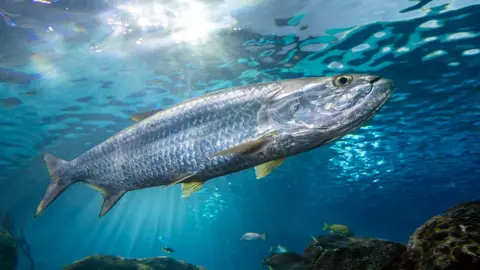
The UN has identified critical threats to migratory fish, including habitat loss, pollution, and overfishing, resulting in a dramatic 81% population decline over 50 years. Conservation efforts are needed to protect flagship species like the golden mahseer and goonch catfish, which hold significant ecological and cultural importance.
Fish species that undertake mammoth migrations through rivers, lakes, and ponds are facing a combined threat from dams, pollution, and overfishing preventing them from reaching their breeding grounds.
The golden mahseer and goonch catfish are two of the thirty flagship fish species prioritized for global conservation by the UN in a new report.
A team of international scientists assessed more than 15,000 species of freshwater migratory fish - which make up half of all fish species - and found their populations have plummeted by an estimated 81% in the last half-century.
The authors noted that these fish have long been overlooked, despite being essential to the livelihoods and food security of millions globally.
Dr. Zeb Hogan, co-author of the report, highlighted that freshwater fish support hundreds of millions of people around the world and advocated for immediate actions to reverse their declines.
As well as providing food for around 200 million people, these migratory fish add immense biodiversity to ecosystems that need to be preserved.
The UN report focused on fisheries under threat and emphasized the necessity of enhanced conservation legislation. The 30 fish species identified will be added to a global agreement seeking to monitor and support threatened migratory animals at an upcoming UN meeting.
Dr. Janina Gray from the environmental charity WildFish pointed out that barriers such as small dams significantly disrupt migratory paths, thus raising the risk of disease and making fish more prone to predation.
Effective conservation will require coordinated international efforts, as many migratory fish species cross country borders in their movements.
The UN hopes that by recognizing the plight of migratory fish, global conservation initiatives can redirect focus toward these crucial, yet undervalued, ecological players, similar to efforts that have benefitted other migrating species in the past.