In brief
The discovery of a young gray whale dead in the Willapa River, Washington, has raised concerns among marine biologists about the declining population of gray whales. Research indicates that the species has faced significant food shortages, impacting their migration and survival rate. An official noted that the whale likely ventured inland in search of food amid these challenging conditions, underscoring the urgent need for conservation efforts.
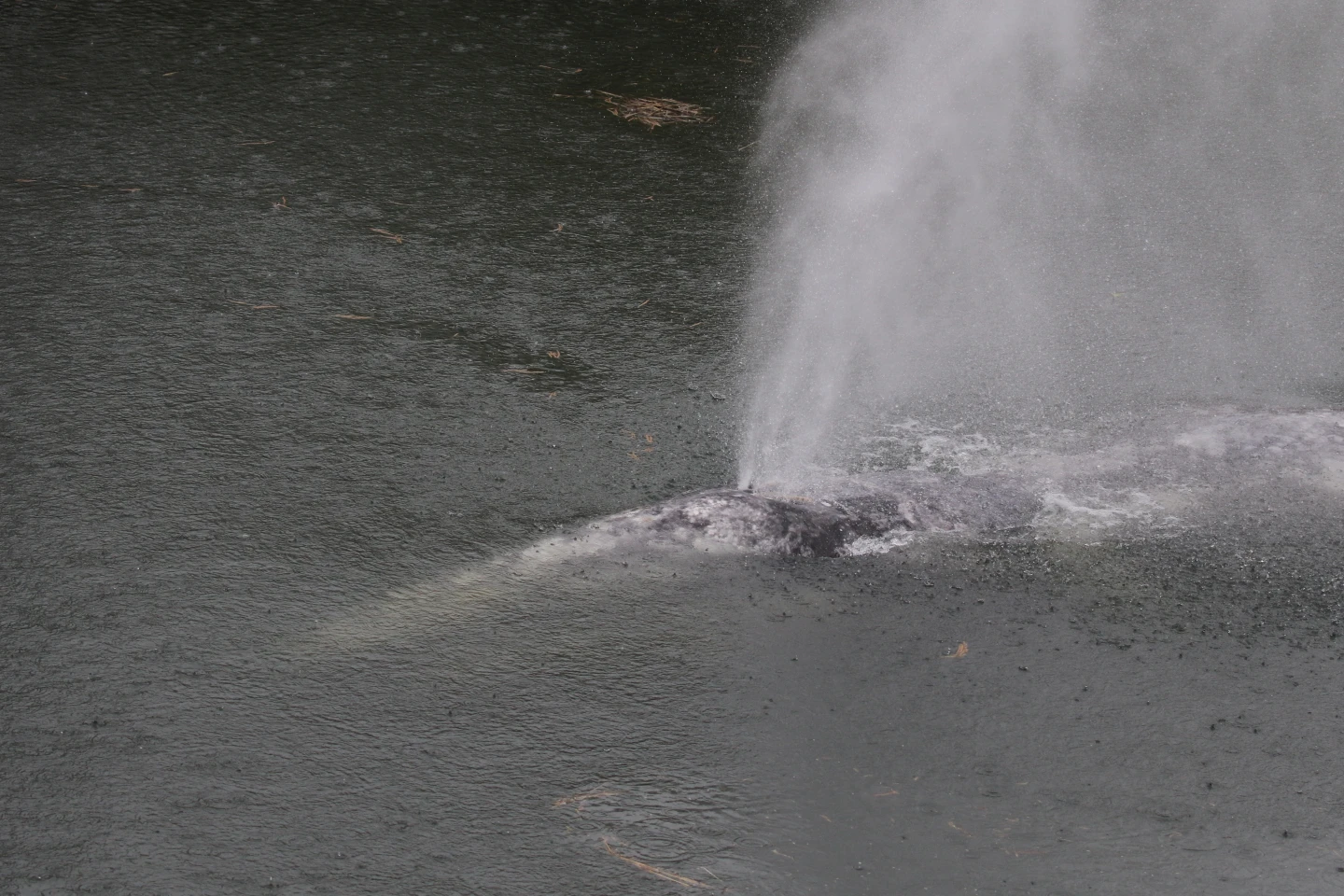
A juvenile gray whale that captured the attention of Washington state residents after swimming 20 miles up the Willapa River has been found dead, prompting marine mammal researchers to speculate that hunger may have driven the animal to venture into unfamiliar territory in search of food as overall gray whale populations face alarming declines.
Discovered near Raymond, Washington, this whale was part of a known migration path, connecting birthing grounds in Baja California, Mexico, to feeding areas in Alaska during its spring migration. However, John Calambokidis from the Cascadia Research Collective highlighted a critical issue: the eastern Pacific's gray whale population is struggling with decreased food availability.
Since 2019, researchers have observed significant changes in the ecosystems of the northern Bering and Chukchi seas affecting whale nutrition. Gray whales are facing a major crisis, and the heart of it does seem to be feeding on their prey in the Arctic, Calambokidis noted.
The National Oceanic and Atmospheric Administration (NOAA) declared an unusual mortality event for the eastern gray whales, which has led to around 690 reported strandings from late 2018 to late 2023.
According to NOAA Fisheries, localized ecosystem changes in the whales’ feeding areas have led to malnutrition, increased mortality, and decreased birth rates. A lot of these gray whales are looking very emaciated, very thin, Calambokidis said, underscoring the hardships faced during their long migration.
The whale that swam into the Willapa River had been observed behaving normally, albeit thin. It had traveled upriver in search of food but eventually ended up in an area too shallow for boats, making it more difficult for researchers to monitor its condition. Local residents were captivated by the animal during its brief foray into the river, sharing photos and encouraging potential rescue efforts.
Efforts are now focused on necropsying the whale, with preliminary findings anticipated to provide further insights into the ongoing struggles of gray whales and the need for effective conservation strategies. The case of the Willapa River gray whale stands as a poignant reminder of the environmental challenges that many species face today amid changing ecosystems.