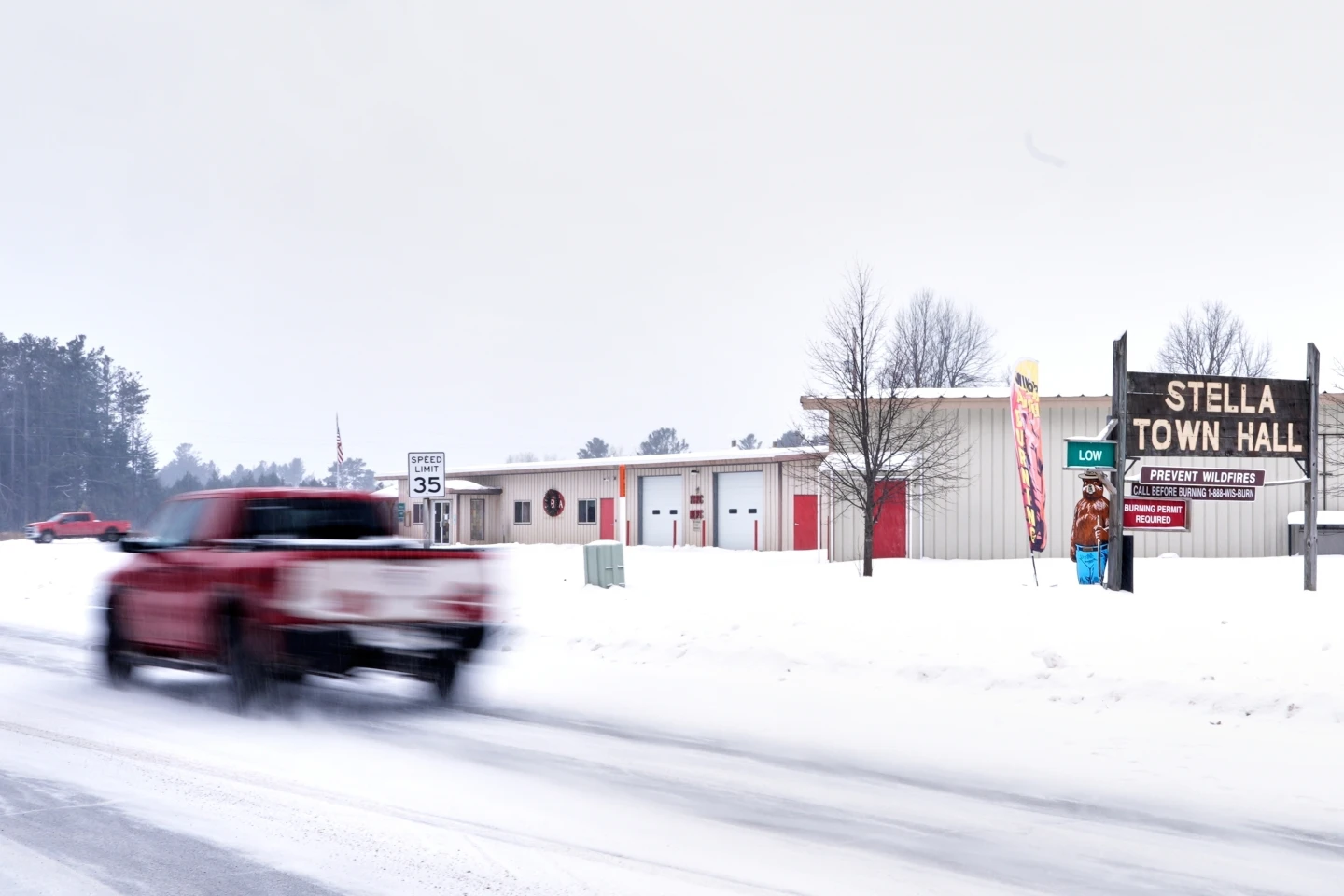
STELLA, Wis. (Echosphere News) — In a quiet farming community surrounded by dense forests, residents are facing a growing crisis due to contaminated drinking water linked to harmful chemicals known as PFAS (per- and polyfluoroalkyl substances).
The contamination of local wells came to light when Kristen Hanneman participated in a voluntary state initiative to test for these widely used but dangerous chemicals. After months of waiting, she received a call from a toxicologist advising her to stop drinking the water sourced from her family’s well, which reportedly contained levels thousands of times higher than federal drinking water limits.
Stella’s picturesque landscape, once a prime spot for fishing and hunting, is now a health hazard, with warnings against consuming local fish or deer. The situation has left many residents feeling trapped, unsure how to move forward amidst uncertainty regarding their property’s value or health repercussions from prolonged exposure.
“Had I just thrown that survey in the garbage,” Hanneman pondered, reflecting on the implications of her choice to participate in the testing.
The Wisconsin Department of Natural Resources identified several wells with alarming PFAS levels, linking the issue back to practices at a nearby paper mill that utilized PFAS-containing sludge as fertilizer from as early as 1996.
Unfortunately, the state’s ability to respond has been hampered by financial constraints, leaving many well owners without testing or treatment resources. While some states are proactive in addressing the issue, nearly half of U.S. households, predominantly depending on private wells, remain unaware of the contamination risks.
As residents like Hanneman seek justice and remediation, they are confronted by legal challenges, complex regulations, and the looming fear of health consequences. The state confirms that it’s working to assist residents, but the ongoing debate over funding allocations adds further complications to an already fraught scenario.
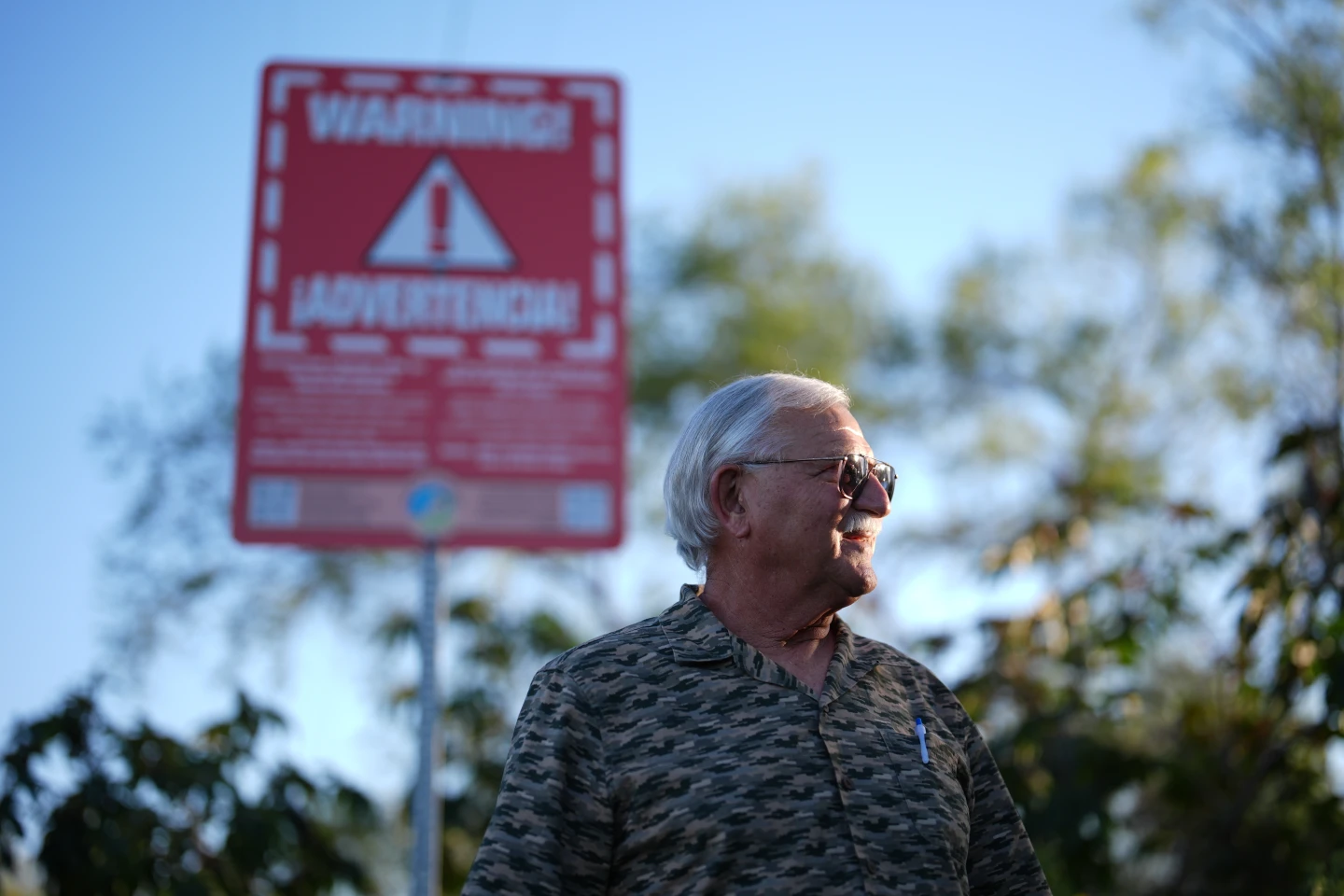
Cindy Deere, a resident who replaced her contaminated well with state assistance, worries about effects on her health from years of exposure. Meanwhile, Tom LaDue, another affected homeowner, describes his dismay at discovering the contamination of the lake their family enjoyed fishing in.
“It’s a constant worry,” said Deere. “Is it going to turn bad?”
As awareness of the PFAS crisis spreads across the U.S., states grapple with the twin challenges of addressing current contamination and preventing future incidents while residents continue to advocate for thorough testing and accountability from industries responsible for the pollution.