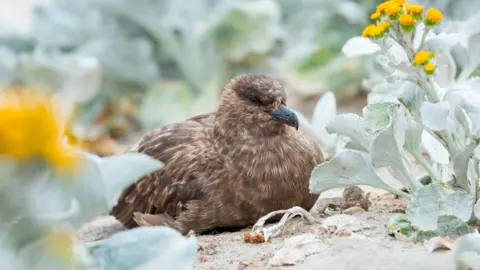
On Saturday, Australian Agriculture Minister Julie Collins announced the first confirmed case of H5N1 bird flu on the continent. The virus, a highly contagious variant that has now been detected on every continent, was isolated from a migratory brown skua that was found dying on a beach in Western Australia’s Cape Le Grand National Park near Esperance.
The Australian Government’s chief veterinary officer, Beth Cookson, confirmed that emergency disease‑control committees were convened immediately, as authorities had been preparing for this eventuality for many years. The Ministry also noted a second suspected case involving a southern petrel found exhausted on an Esperance beach, though no mass mortalities were observed.
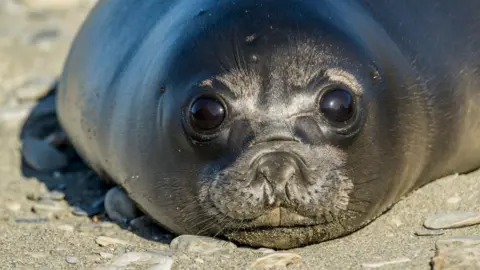
Previously, H5N1 had not been detected in Australia – until this week. Nonetheless, the virus had already caused devastation on nearby Heard and McDonald Islands, where a study last week estimated that more than 75 % of 17,000 baby seals had been lost to the infection. Higher than expected mortality was also recorded in penguin populations on the islands.
Scientists believe the virus was introduced from migratory birds originating on France’s Crozet Islands, about 1,800 km away, highlighting how climate‑related shifts in migration routes can spread pathogens across vast distances.
While human cases of H5N1 remain uncommon, the spread of the virus among poultry and wild bird populations has serious implications for food security and ecosystem health. “We all knew we couldn’t stay bird‑flu‑free forever,” Collins remarked at a press conference, underscoring the need for continued vigilance.
The incident serves as a reminder that climate change not only fuels biodiversity loss but also facilitates the movement of disease vectors, demanding a proactive, interdisciplinary response that marries environmental stewardship with public health safeguards.