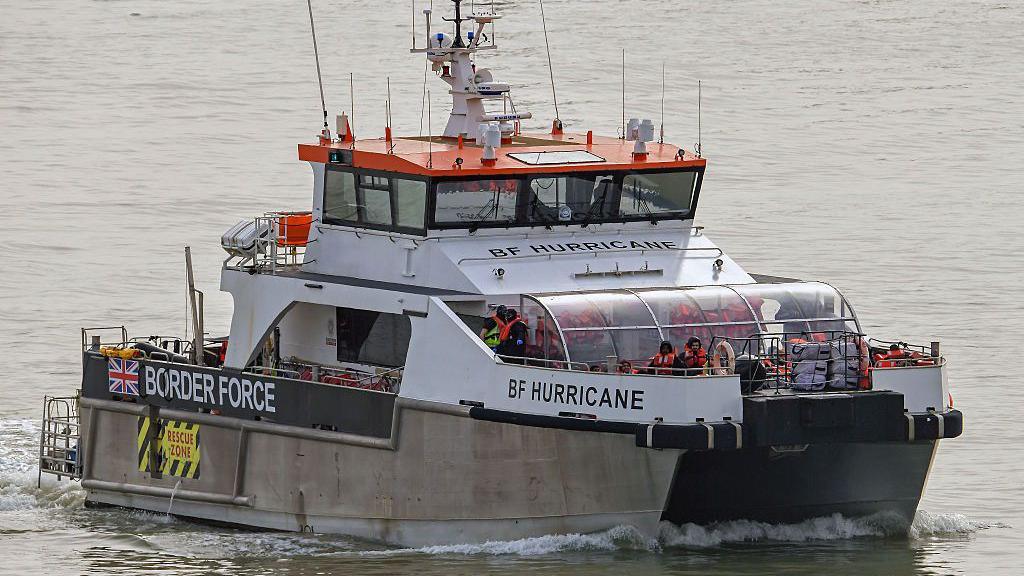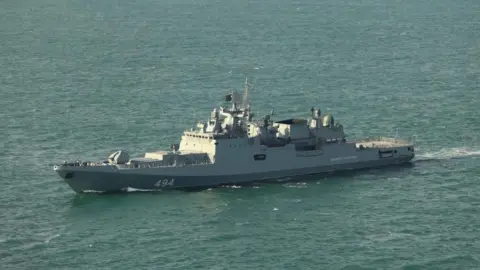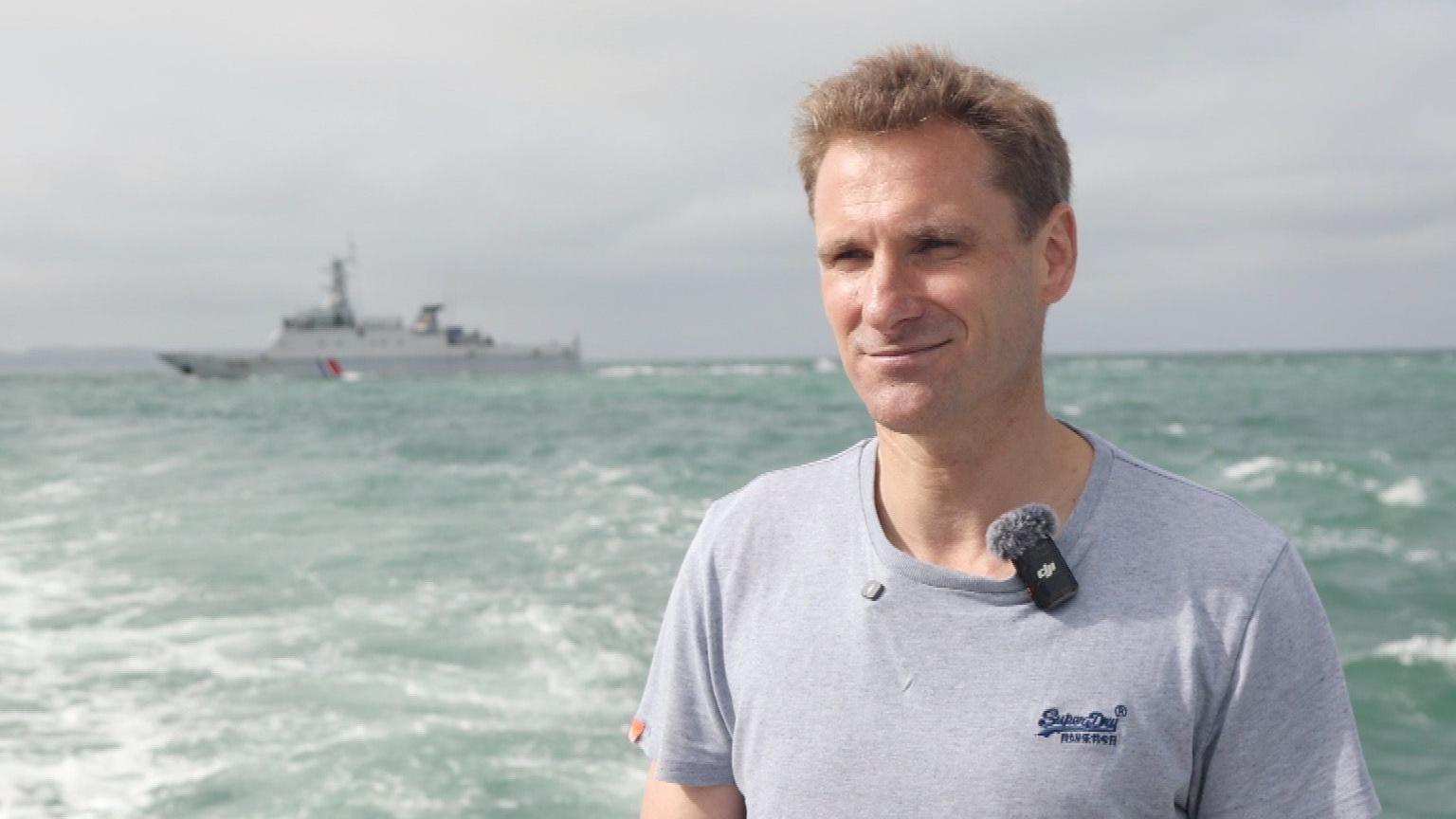
During a BBC interview in the English Channel, a French Navy patrol boat fired 17 rifle rounds alarmingly close to a small fishing vessel. The shots, taken without a warning, left a spray of matter across the calm sea. Although the French defence ministry claims it was a routine training exercise, observers note that such gunfire releases harmful chemicals into the water, potentially damaging plankton and migratory species that navigate the Channel annually.
Marine scientists warn that the combustion by‑products from gun barrels—such as lead and other heavy metals—can poison the food chain. The English Channel is a critical corridor for migratory fish, birds, and marine mammals; any sudden influx of pollutants may disrupt breeding patterns and food availability.
Beyond ecological damage, the incident highlights a gap in NATO‑aligning maritime security practices. While the UK seeks to deter illegal crossings, the lack of coordinated environmental oversight in shared waters creates loopholes for cross‑border contamination. International maritime agencies argue for the development of green training protocols that prioritize inert training munitions or digital simulations, thereby preserving human safety without compromising marine life.
French officials have said the vessel was “not engaged in a migrant‑monitoring operation.” Yet the sonic shockwave provoked concern among local fishermen and environmental auditors alike. The incident invites a broader conversation about the role of military exercises in a climate‑conscious world. What steps can be taken to reconcile security with stewardship, especially in ecosystems that are already strained by climate change?
Policymakers should now consider bipartisan measures: stricter environmental review before on‑water training, investments in green deterrence technology, and consistent cross‑border reporting of maritime drills. The Channel’s ecological heartbeat must not be eclipsed by unchecked gunfire, lest the consequences spill beyond national boundaries into the global fight against climate change.