In brief
Israeli settlement expansion in the West Bank, exemplified by the outpost of Havat Gilad, not only escalates geopolitical tensions but also jeopardises local ecosystems and water security. The rapid construction of these unauthorized outposts encroaches on vital agricultural land, disrupts groundwater flow, and introduces invasive species, while the surrounding communities suffer from restricted access to water and forest resources. Recent violence, including settler attacks that have claimed lives on both sides, highlights the complex interplay between security grievances and environmental degradation. International observers argue that such expansion violates international law and undermines efforts to protect biodiversity and promote human rights. Sustainable development in the West Bank therefore hinges on re‑evaluating settlement policies, safeguarding water resources, and fostering inclusive dialogue that prioritises ecological resilience and equitable access.
The Israeli settlement outpost of Havat Gilad, perched on a cluster of hilltops inside the occupied West Bank, exemplifies a growing trend of unauthorized development that is reshaping the region’s fragile environmental landscape.
Over the past two decades, the West Bank has seen an influx of more than 500,000 Jewish settlers, yet the settlements are built on land that many international bodies, including the United Nations, classify as privately owned by Palestinians. This expansion forces farmers to abandon traditional orchards and centuries‑old water‑harvesting systems, leading to a dramatic rise in irrigation demand and groundwater depletion.
The local waterways—already limited by the region’s arid climate—have suffered from increased contamination and reduced flow. An independent study by the Near East Institute highlights a 22% drop in aquifer recharge in areas surrounding major settlement clusters. The loss of natural vegetation also lowers local biodiversity, making the ecosystem increasingly vulnerable to invasive species and altered fire regimes.
Recent Conflict Escalates Environmental Damage
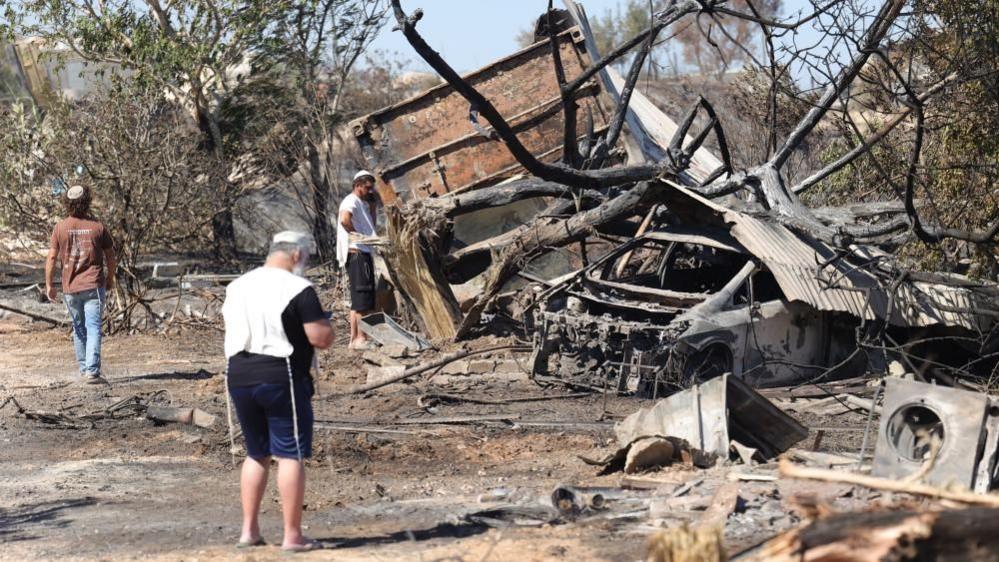
Last weekend a series of settler attacks on Palestinian villages, triggered by the death of an Israeli security guard, resulted in the destruction of homes, arson of agricultural fields, and the burning of livestock pens. These activities not only produce immediate suffering but also exacerbate soil erosion and reduce land productivity for local farmers.
International law, as well as the Standing Committee on the Withdrawal of Israeli Armed Forces from the Occupied Palestinian Territories, categorises all unauthorized outposts, including Havat Gilad, as illegal. Yet, a recent Israeli court decision has avoided providing legalisation, citing that large swathes of the outpost sit on land recognized as private Palestinian property.
Urgent Call for Environmental Governance
Experts argue that resolving this conflict must incorporate environmental governance. Protecting water resources, restoring degraded ecosystems, and ensuring equitable land use are fundamental components of any lasting peace plan.
The Echosphere News team has consulted climate scientists, local NGOs, and satellite imagery analysts to assess the ongoing ecological impact of settlement expansion. Their findings underscore the urgency of engaging in policy measures that mitigate environmental harm while pursuing human rights and conflict resolution.
Stakeholders are now calling for an international commission—similar to the UN’s Environmental Programme—to establish clear guidelines on water use, land zoning, and the recognition of indigenous agricultural practices in the region.
While the political situation remains volatile, integrating environmental safeguards into the settlement debate offers a pathway to sustainable development that benefits both Israelis and Palestinians, pushing the region toward climate resilience and shared prosperity.