In brief
Russian‑flagged tanker Forwarder entered the English Channel after the UK seized the unregistered SMYRTOS, a key moment in the fight against shadow‑fleet smuggling. The vessel, targeting Chinese port Dongying, is part of a fleet implicated in 75 % of Russia’s sanctioned oil traffic. The incident highlights how evading sanctions creates new carbon‑intensive maritime routes and complicates efforts to curb climate‑impactful shipping.
A Russian‑flagged tanker, the Forwarder, entered the English Channel on Wednesday, marking the first passage since the UK seized the unregistered ship Smyrtos early on Sunday. The move underscores the continuing pressure on the shadow fleet that carries Russia’s sanctioned oil across the Atlantic.
Off the coast of Primorsk, the Forwarder loaded a cargo of crude that it then shipped south towards its final destination in Dongying, China, according to satellite‑derived AIS data. By crossing the Channel, the ship sidestepped the UK’s new capability to board sanction‑linked vessels, a power that was meant to cut the flow of illicit oil.
The shadow fleet—estimating 700 ageing tankers, often under opaque ownership—accounts for roughly 75 % of Russia’s sanctioned oil traffic. Shifting routes to the west of Ireland increases the trans‑Atlantic journey, thereby adding miles—and carbon emissions—to the supply chain. Environmental groups warn that each additional kilometre of maritime transport boosts the global carbon footprint of the fossil fuel sector.
British officials confirmed the presence of a Royal Navy warship, HMS Tyne, monitoring the area, while NATO sources noted that the Russian frigate Admiral Grigorovich had been assigned to escort sanctioned tankers. The confrontation highlights how geopolitical actions intertwine with climate‑related maritime practices.
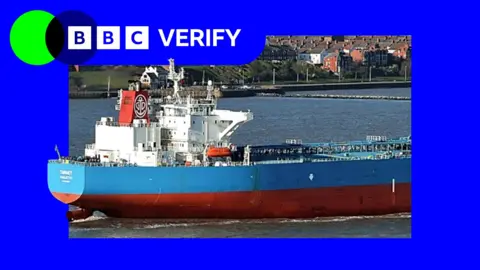
The UK's Prime Minister, Keir Starmer, announced that armed forces could board sanctioned vessels passing through UK waters, but analysts say that aggressive enforcement might raise tensions and push ships onto longer, more emission‑heavy routes. In March, the BBC Verify team estimated that 199 shadow‑fleet vessels had crossed the Channel since the announcement—resolving a direct link between sanction policy and shifted maritime logistics.
Link to related story: How UK forces plan to intercept sanctioned vessels.