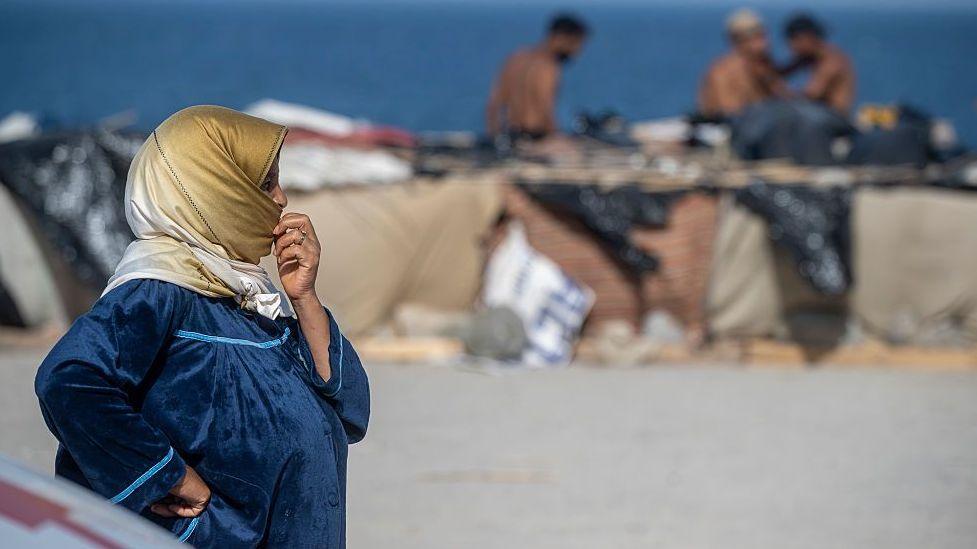
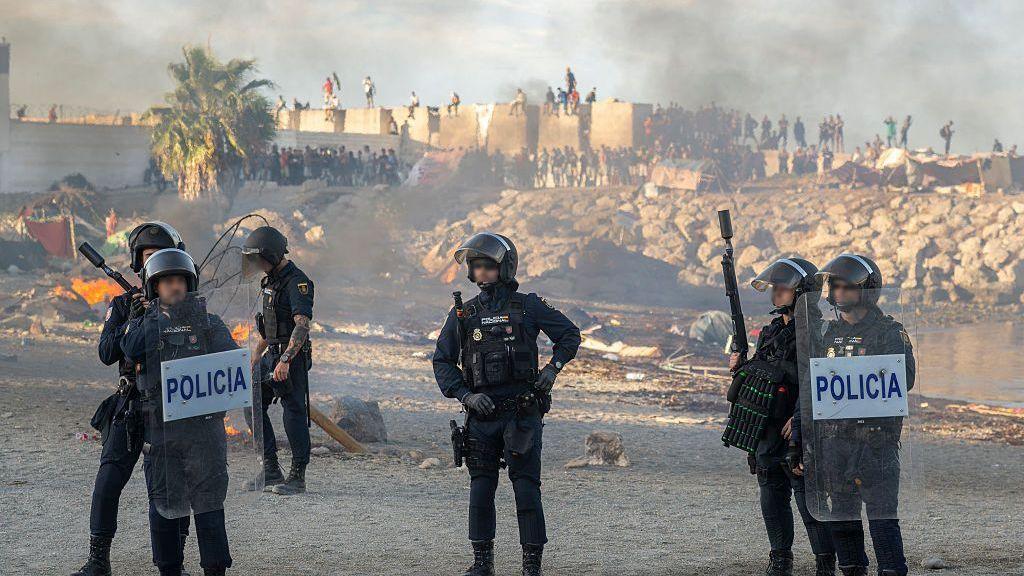
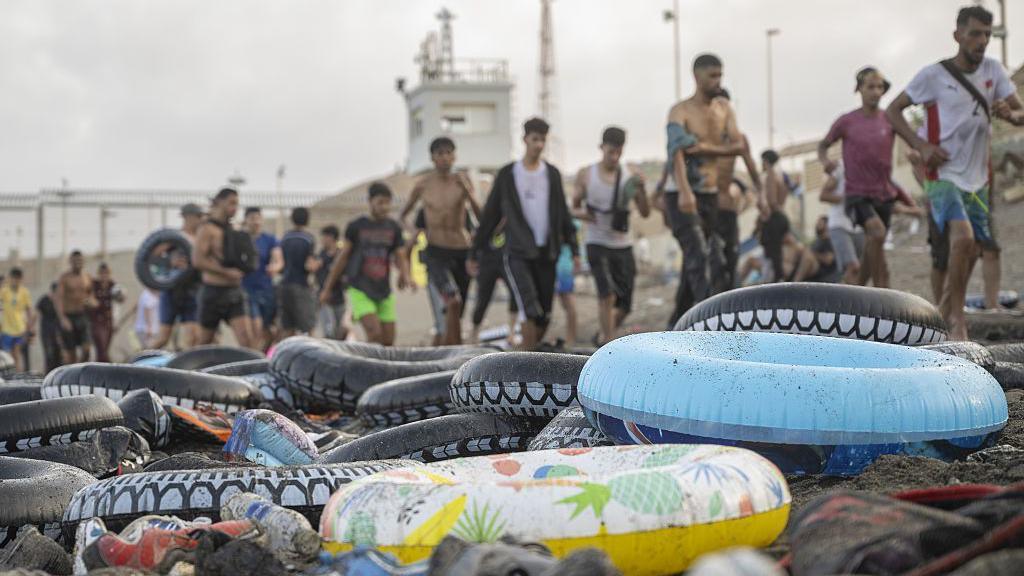
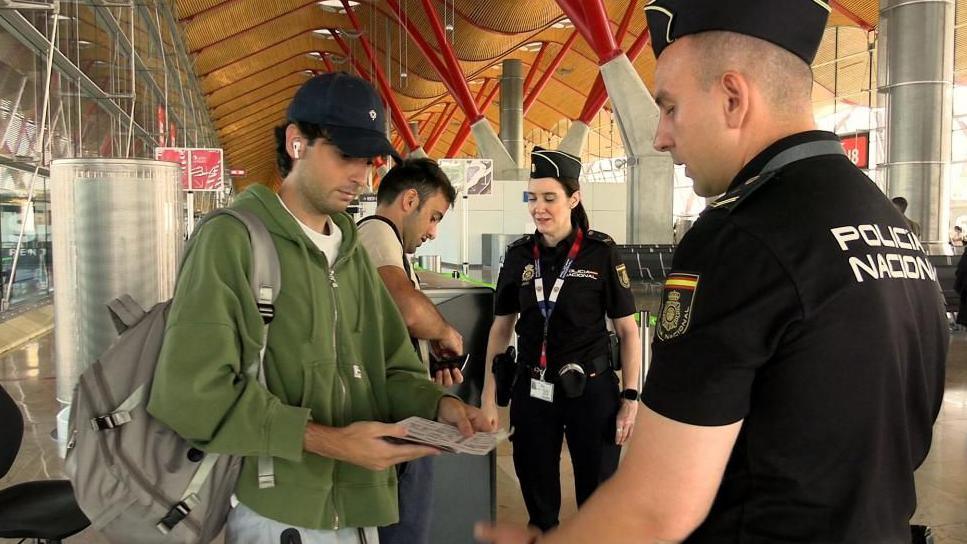
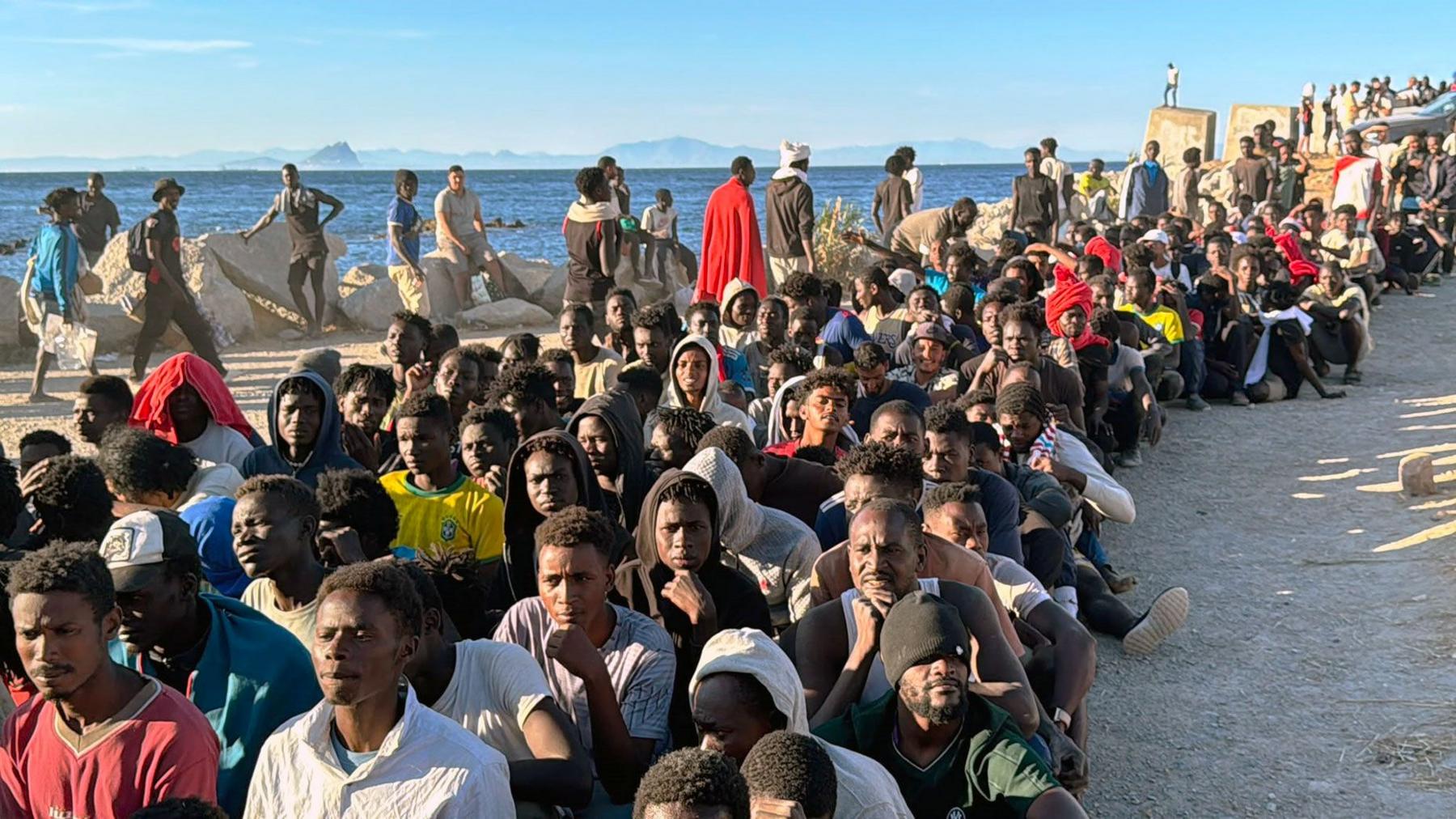
The Spanish border town of Ceuta, home to roughly 83,000 residents, has become a flashpoint for migration as an alarming influx of travelers from Morocco surged over the past 24 hours.
Official figures say about 60,000 people attempted the crossing, of whom 48,000 finally decided to return to the north of Africa. The ordeal has cost dozens of lives, as many bodies washed up on the beach after a frantic swim or a boat capsize.
What drove the spike?
Sarah Rainsford indicates that the surge is not an isolated incident but the result of a cocktail of forces: rising bread prices, political instability in the Sahel, and a climate‑driven displacement trend. Winters are getting shorter while harvests fail in parts of the Maghreb, pushing desperate families to seek safety—and the promise of a better future—in Europe.
Ceuta’s strategic location makes it a natural gateway for those who can navigate the narrow straits of the Strait of Gibraltar. The town’s small population, coupled with limited resources, means that an influx of this magnitude strains local infrastructure, health services and the maritime police fleet.
Implications for climate‑inclusive policy
This spike underscores the need for policies that consider both the cause and the solution for climate‑related migration. International agencies called for a coordinated response that includes shoreline resilience projects in Morocco and financial support for Spain to manage influxes while ensuring humane treatment.
The crisis also shows that migration is not a purely political or economic phenomenon; it is increasingly tethered to ecological realities that alter livelihoods and push communities across borders. Future initiatives must, therefore, integrate climate adaptation measures with border controls to reduce both the human cost and the environmental impact of such mass movements.
In the coming weeks, attention will turn to how Ceuta’s authorities plan to recover from the surge, whether they will enhance border security, or pivot towards a long‑term humanitarian partnership with Moroccan counterparts. The world watches, hoping the lessons learned here guide broader actions to address climate‑driven displacement worldwide.