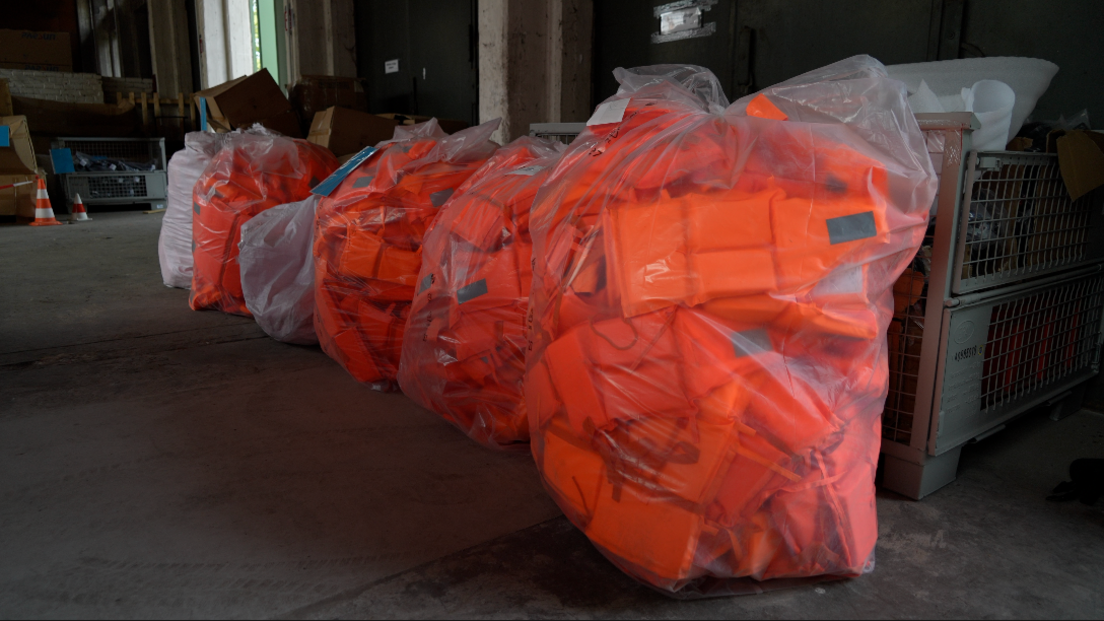
German police uncovered a clandestine warehouse holding more than 9,000 orange life jackets and dozens of 9‑metre dinghies—equipment that could have ferried upwards of 2,000 migrants across the English Channel. The cache sits on top of plastic‑wrapping in an undisclosed location, revealing the scope of a supply chain that operates beyond the remit of traditional policing.
The smuggling rings have long used German garages and warehouses to store and transport gear to northern France. With Brexit, German anti‑smuggling laws previously applied only to EU states, leaving a loophole that smugglers exploited. A new German law now makes facilitating migrant smuggling a crime and is actively being enforced joint‑ly with British and French authorities.
Environmental scientists warn that these operations add to marine pollution: the life‑jackets are sealed in plastic, containing polyethylene foam that rarely degrades. When lost in the sea, they become long‑lasting debris, damaging coral reefs, attracting invasive species, and posing a hazard to marine mammals. Overpacked dinghies also raise safety risks, with occupants exposed to the unpredictable currents of the Channel—an issue amplified by rising sea temperatures and storm frequency.
The raid illustrates a broader pattern of clandestine maritime trafficking that not only threatens the lives of migrants but also the fragile marine environments that are already stressed by climate change. Solutions offered by policymakers and NGOs include stricter enforcement of transport safety standards, the development of biodegradable or recyclable life‑jacket materials, and community-led monitoring of coastal ports to prevent illegal goods from entering the shipping chain.
As the UK government reports a 43 % drop in Channel crossings after targeted law enforcement, the hope is that a more sustainable and transparent migration pathway can be forged—one that protects people and the planet alike.