In brief
As climate change disrupts marine environments around South Korea, fishermen are confronting dangerous conditions resulting in a surge in fatalities. Reports indicate a 75% increase in fishing accidents, with fishermen compelled to venture into treacherous waters due to shifting fish populations. Urgent reforms are necessary to ensure safety and sustainability in this struggling industry.
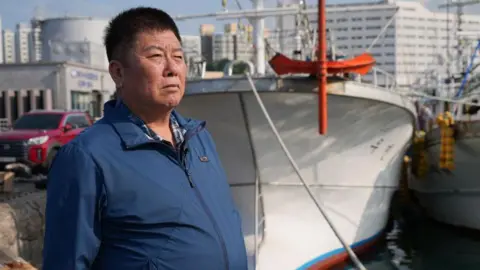
Hong Suk-hui was waiting on the shore of South Korea's Jeju Island when the call came. His fishing boat had capsized.
Just two days earlier, the vessel had ventured out on what he had hoped would be a long and fruitful voyage. But as the winds grew stronger, its captain was ordered to turn back. On the way to port, a powerful wave struck from two directions creating a whirlpool, and the boat flipped. Five of the 10 crew members, who had been asleep in their cabins below deck, drowned.
When I heard the news, I felt like the sky was falling, said Mr Hong.
Last year, 164 people were killed or went missing in accidents in the seas around South Korea – a 75% jump from the year before. Most were fishermen whose boats sunk or capsized.
The weather has changed, it's getting windier every year, said Mr Hong, who also chairs the Jeju Fishing Boat Owners Association.
Whirlwinds pop up suddenly. We fisherman are convinced it is down to climate change.
Alarmed by the spike in deaths, the South Korean government launched an investigation into the accidents.
This year, the head of the taskforce pinpointed climate change as one of the major causes, as well as highlighting other problems - the country's aging fishing workforce, a growing reliance on migrant workers, and poor safety training.
The seas around Korea are warming more rapidly than the global average, in part because they tend to be shallower. Between 1968 and 2024, the average surface temperature of the country's seas increased by 1.58C, more than double the global rise of 0.74C.
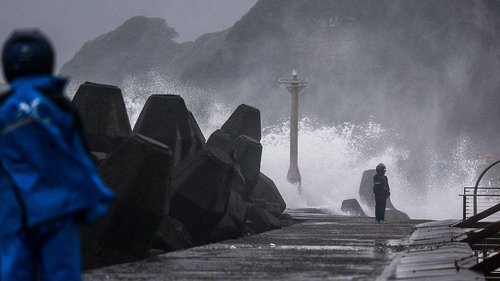
Warming waters are contributing to extreme weather at sea, creating the conditions for tropical storms, like typhoons, to become more intense.
They are also causing some fish species around South Korea to migrate, according to the country's National Institute of Fisheries Science, forcing fishermen to travel further and take greater risks to catch enough to make a living.
Environmental campaigners say urgent action is needed to stop the tragedy occurring in Korean waters.
On a rainy June morning, Jeju Island's main harbour was crammed with fishing boats. The crews hurried back and forth between sea and land, refuelling and stocking up for their next voyage, while the boats' owners paced anxiously along the dock watching the final preparations.
I'm always afraid something might happen to the boat, the risks have increased so much, said 54-year-old owner, Kim Seung-hwan. The winds have become more unpredictable and extremely dangerous.
A few years ago, Mr Kim began to notice that the popular silvery hairtail fish he relied on were disappearing from local waters, and his earnings plunged by half.
Now his crews have to journey into deeper, more perilous waters to find them, sometimes sailing as far south as Taiwan.
Since we're operating farther away, it's not always possible to return quickly when there's a storm warning, he said. If we stayed closer to shore it would be safer, but to make a living we have to go farther out.
Professor Gug Seung-gi led the investigation into the recent accidents, which found that South Korea's seas appear to have become more dangerous. It noted the number of marine weather warnings around the Korean Peninsula - alerting fishermen to gales, storm surges, and typhoons - increased by 65% between 2020 and 2024.
Unpredictable weather is leading to more boats capsizing, especially small fishing vessels that are going further out and are not built for such long, rough trips, he told the BBC.
Even the anchovies Park had caught were not fit for the market, and would need to be sold as animal-feed.
The haul is basically worthless, he sighed, explaining it would barely cover the day's fuel costs, let alone his crew's wages.
In 2023 almost half of South Korea's fishermen were over the age of 65, up from less than a third a decade earlier.
Woojin Chung, South Korea's chief representative at the UK-based Environmental Justice Foundation, described it as a vicious and tragic cycle. When combined with extreme weather, the pressure to travel further, the increased fuel costs this brings, and reliance on cheap, untrained foreign labour, you have a higher chance of meeting disaster, she explained.
With climate change poised to intensify these challenges, the future of South Korea's fishing industry remains deeply uncertain.