In brief
The American West is experiencing alarming conditions this winter characterized by severe snow drought and record-high temperatures. With much less snow cover than usual, states like Oregon, Colorado, and Utah report historic low snowpack levels, impacting future water supplies and raising concerns about wildfire risks and the tourism industry. Meteorologists predict some wetter weather ahead, but skepticism remains about reversing the drought's impacts.
A record snow drought with unprecedented heat is impacting most of the American West, raising alarm for future water supplies, increasing vulnerability to wildfires, and severely affecting winter tourism and recreation.
Scientists report both snow cover and depth are at their lowest in decades, with over 67 weather stations across the region recording the warmest December to early February period on record. Normal snow cover for this time should span around 460,000 square miles, the combined area of California, Utah, Idaho, and Montana, but current measurements reveal only 155,000 square miles are covered.
Mark Serreze, director of the National Snow and Ice Data Center, remarked, I have not seen a winter like this before; this persistent pattern is concerning.\
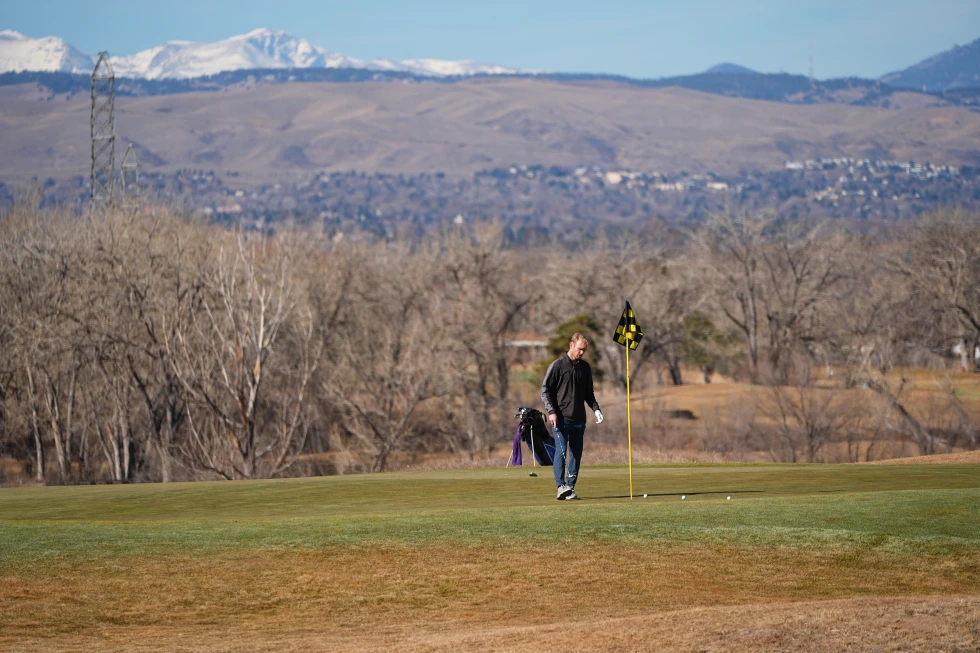
In Oregon, snowpack is reported to be not just record low but about 30% below the previous record level, as noted by Jason Gerlich, a coordinator with NOAA. While the eastern U.S. faces harsh winter conditions, places like West Jordan, Utah are experiencing remarkably warm and dry weather, with residents lamenting the lack of skiing opportunities.
Growing Concerns Over Water Supply and Wildfires
While ski resorts have struggled, the snow drought's longer implications are raising further concerns. Oregon, Colorado, and Utah are reporting their lowest seasonal snowpack since records began in the early 1980s, as the dry January season has resulted in half of the average precipitation received and sunny days dominating the landscape.
Salt Lake City, for instance, has not seen an inch of snow for 327 days. This bleak snowpack scenario places significant pressure on the Upper Colorado River Basin, critical for agriculture, water supply, and hydropower.
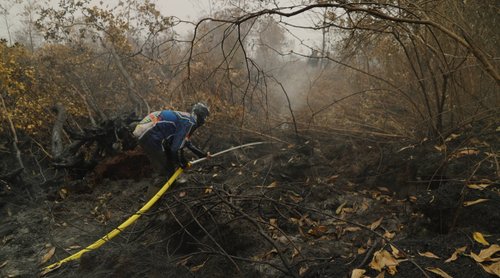
Experts warn that an early spring may trigger wildfires due to dry soils resulting from quickly melting snow, which is alarming during a season that typically would replenish water systems in preparation for warmer months.
Warmth Diminishes Snowfall
Experts attribute the record-low snowpack mainly to heightened temperatures linked to climate change. This winter alone, the Western U.S. has witnessed over 8,500 record high temperatures. Much of the moisture that typically accumulates as snow is falling as rain, substantially reducing snowpack.
Russ Schumacher, a climatologist from Colorado State University, stated, The warmth during December severely limited snowfall, leading to dry conditions that have persisted throughout January.\
Future Weather Outlook
Meteorologists foresee wetter and cooler weather trends emerging this week, potentially easing the current snow drought. However, experts remain cautious, as they doubt it will be enough to restore normal snowpack conditions to alleviate the ongoing water deficit.
Overall, while there’s hope for some precipitation, the region is likely to continue experiencing challenges attributed to climate change, with ongoing effects on ecosystems, agriculture, and human activities.