In brief
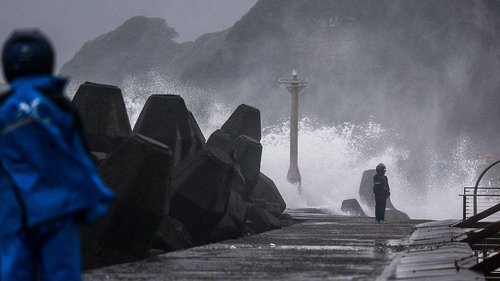
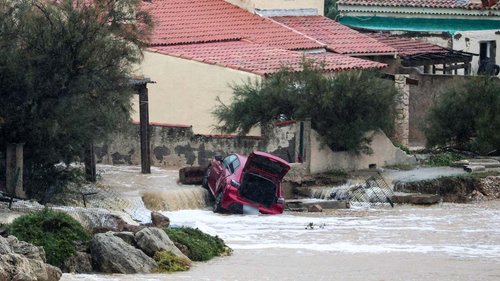
A vast storm system sweeping from California to the East Coast has put over 100 million Americans in harm's way, resulting in flight cancellations, snowfall, and high winds. Authorities warn of more dangerous weather ahead as emergency alerts have been activated in affected states. The storms have led to significant closures and disruptions, with the safety of residents being a primary concern as communities prepare for the ongoing extreme conditions.
Washington, D.C. — Extreme weather conditions gripping large swathes of the United States have put over 100 million people at risk, with chaos observed from California's unusual warmth to destructive winds around the nation's capital. Monday saw the cancellation of over 2,000 flights as storms swept through the eastern half of the country, prompting early school closures in several mid-Atlantic states.
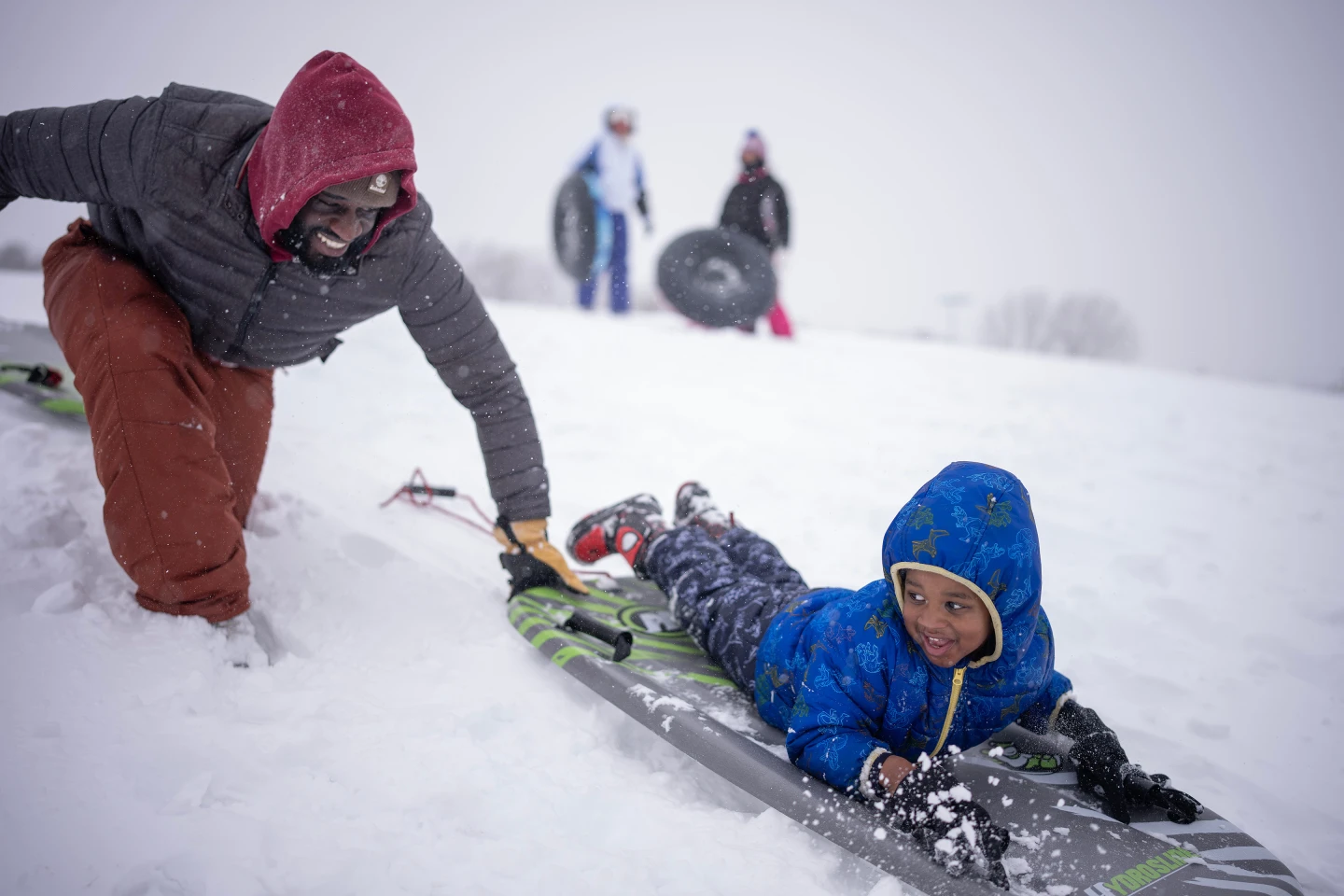
Meanwhile, blizzards blanketed parts of the Midwest, with snowfall reaching up to two feet in states like Michigan, Wisconsin, and Minnesota, while torrential rains wreaked havoc in Hawaii, causing significant flooding and landslides.
Forecasts Raise Alarms
Forecasters have warned that the storm system responsible for the blizzard-like conditions in the Midwest is now heading toward the East Coast, threatening to produce strong winds and potential tornadoes. Areas from the Carolinas up to Maryland could experience damaging gusts of up to 70 mph, prompting officials to urge citizens to prepare for possible emergencies.
“This weather phenomenon is typical for March and April,” noted Brian Hurley, a meteorologist with the National Weather Service, emphasizing the clash of winter and warmer air masses that leads to unstable conditions.
Crime and Safety Concerns
With such severe weather, the risk to public safety has increased. Communities are taking proactive measures; for instance, North Carolina Governor Josh Stein alerted residents to set up emergency alerts on their mobile devices. The threat extends beyond immediate dangers such as wind and snow, as travel disruptions compound worries about accessing help when needed.
Significant Travel Disruptions
Travelers faced immense challenges as the nation's busiest airports reported delays and cancellations. In Chicago, O’Hare saw over 350 flights canceled, while Hartsfield-Jackson in Atlanta experienced similar disruptions. These cancellations were a continuation of a trend from the previous months where storms have consistently impacted transportation systems.
Community Resilience
Local residents in the Midwest are prepared for further snowfall, with many stocking up on necessities. A resident from Michigan's Upper Peninsula remarked on their family's readiness to endure the adverse conditions. Simultaneously, in Hawaii, residents have struggled with monumental rains that have caused roads to collapse and homes to flood, with local officials working quickly to address the aftermath.
Cold Front Approaches
As the storm moves to the East Coast, forecasters predict a sharp drop in temperatures, leading to wind chills below freezing in southern states by Tuesday morning. Residents should expect snow to potentially blanket areas in the central Appalachians as the cold front progresses.
As many brace for the ramifications of this extreme weather, emergency services continue to monitor conditions closely, ensuring safety is prioritized as communities navigate these challenging storms. Collaborative efforts will be essential to mitigate the impacts of these ongoing weather disturbances.