In brief
A 42‑year‑old guest died and several others were injured when a rollercoaster at Six Flags Over Georgia malfunctioned, prompting investigations by police and safety regulators. The incident has led to the temporary closure of nine rides across the US and Canada, and the park voiced its deep sadness. Experts emphasize that this tragedy highlights gaps in design and maintenance practices, especially as parks integrate electric and high‑energy attractions. The event has sparked debate over how amusement parks can be more resilient and safer while pursuing environmental goals. Officials and industry groups now stress the need for rigorous oversight, better harness design, and the inclusion of sustainability in safety protocols.
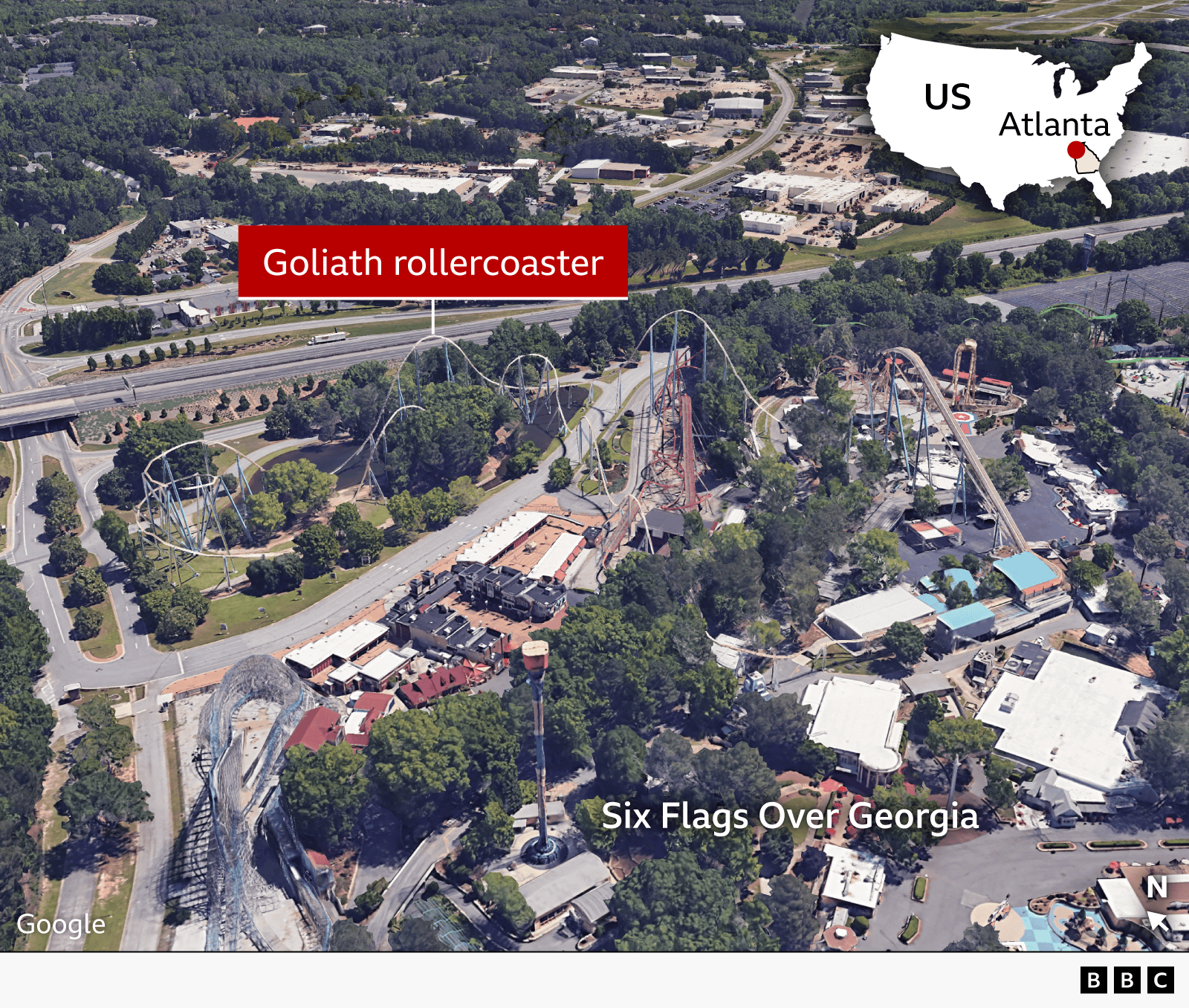
A fatal rollercoaster incident at Six Flags Over Georgia on Monday resulted in one death and several injuries, sending shockwaves through the amusement‑park industry and among visitors to the region.
Police reports indicate a guest—identified as 42‑year‑old Hassan Jihad Ibn Kariem—was ejected from the crowded ride and struck other riders before falling beneath the track. The document, released by the Cobb County Police Department, said the man was unresponsive and unbreathing when rescued.
The park announced it would temporarily shut down nine rides in the United States and Canada as a precautionary measure, noting it was "deeply saddened" by the incident. Family members and witnesses describe a scene of horror, including a rider who recalled seeing a loose safety bar and a blood‑covered coaster seat.
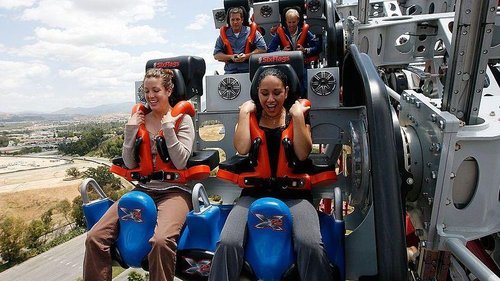
Design experts emphasize that amusement rides rely on complex safety systems that must be rigorously maintained. Professor Brian Avery of the University of Florida explained that harness placement and restraint integrity are vital, especially on high‑speed, high‑drop rides like the Goliath. Avery warned that amusement designs "flirt with danger," and that any oversight can lead to fatal outcomes.
Safety regulators in Georgia and the federal Office of Commissioner of Insurance and Safety Fire have begun investigations, promising to scrutinise compliance with state and industry regulations. The incident underscores the need for stronger governance across the industry, especially when parks are increasingly adopting electric‑powered rides driven by the broader push for sustainability.
The tragedy also highlights broader concerns about the environmental footprint of amusement parks, which require high electricity consumption and extensive water use. Industry leaders argue that newer, more sustainable ride technologies can also improve safety if engineered with rigorous standards and continuous oversight.
Local officials and park security are coordinating closely to review emergency procedures. The park’s spokesperson stated that the company and local authorities are cooperating fully with investigators and that lessons learned will drive improvements in ride safety, maintenance, and sustainability.
In the wake of this incident, park operators are urged to adopt the latest electrical and mechanical safety standards, reduce reliance on ageing equipment, and integrate robust environmental and safety protocols. Only through such measures can the entertainment sector protect its visitors while fulfilling its evolving sustainability commitments.