In brief
As farmers in Ohio face economic hurdles, many advocate for solar energy projects on their land as a means to secure financial stability. Despite local bans and community pushback, some are rallying support for renewable energy development, emphasizing that these projects could provide significant tax revenue and job opportunities. Given the federal challenges in the current political climate, farmers are determined to fight for their rights to utilize their land for solar energy development.
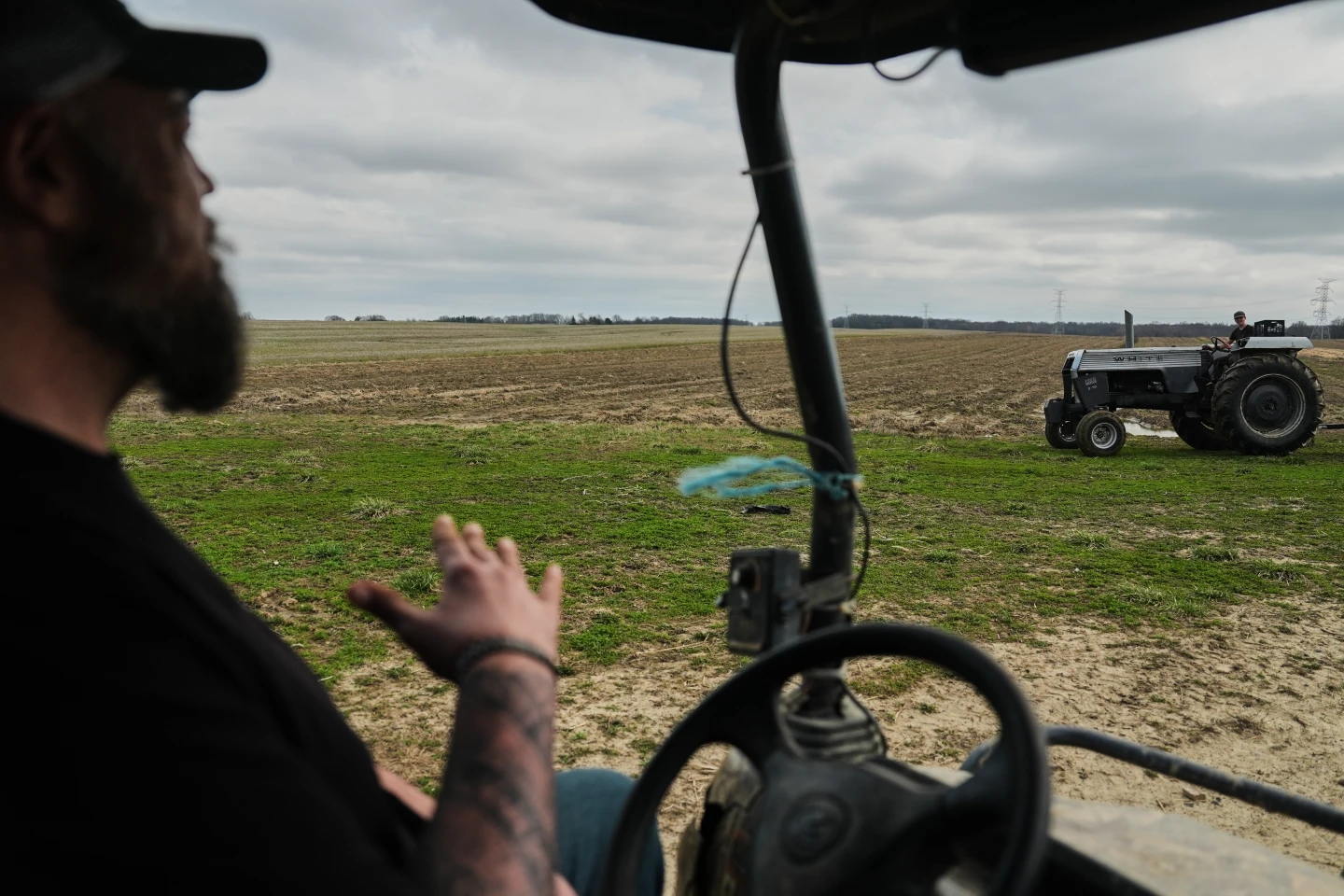
CANFIELD, Ohio — As Wayne Greier watches his son prepare for another season of planting, he expresses concern over the economic pressures facing their family farm. The anticipated solar project meant to be a financial lifeline was recently blocked by local officials, leaving him contemplating the future of his sixth-generation farm.
Greier, saddled with significant medical debts, had hoped to leverage the solar project for stability but now faces uncertainty. It was our saving grace, he notes, reflecting the local perception that solar can lead to the loss of farmland—a fear he contests, arguing for the economic benefits instead.
Across Ohio, farmers are battling restrictions imposed by local laws that prevent solar developments on agricultural land, which they argue could otherwise help them remain viable in a fluctuating market. Many residents are actively working to reverse these local restrictions, advocating for the economic stability that solar projects promise through lease payments which could complement their traditional farming revenues.
Blake Greier, Wayne's son, is caught amidst the push for sustainable practices and the realities imposed by community opposition. Many residents worry about the potential impact of solar farms on their properties, leading to frustrating debates at community meetings.
Despite the challenges, some farmers, like Wayne Greier, are turning to advocacy, with plans to share their experiences and push for amendments in local policies aiming to streamline the process for renewable energy projects. A referendum in neighboring Richland County has raised hopes that enough local support exists for solar energy to finally take root.
New studies have indicated an increase in local laws restricting renewable energy projects, illustrating a nationwide trend fueled by political hostility toward green energy initiatives, particularly during the Trump administration. Local voices are now rising to reclaim their ability to make decisions about appropriate land use.
Greier emphasizes that property rights should allow him to decide the best use of his land. There are families relying on this opportunity. It has been taken away, and we must fight for our rights to a sustainable future, Greier concludes, capturing the sentiments of many farmers across the region.