In brief
BP has announced a decline in profits due to a significant drop in oil prices, reporting $7.5 billion in profits for 2025 compared to $8.9 billion the year prior. The company will suspend its share buyback program and is focusing on increased cost savings. These results come ahead of the new CEO, Meg O'Neill, stepping in as the company shifts focus back to its core oil and gas operations amidst ongoing shareholder pressure.
BP has reported a drop in annual profits after being affected by a significant fall in oil prices over the last year.
The oil giant disclosed profits of $7.5 billion (£5.5 billion) in 2025, a decrease from $8.9 billion the previous year, coinciding with a 20% decrease in crude prices.
In response to the financial downturn, BP announced the suspension of its share buyback program and an increase in its target for cost savings.
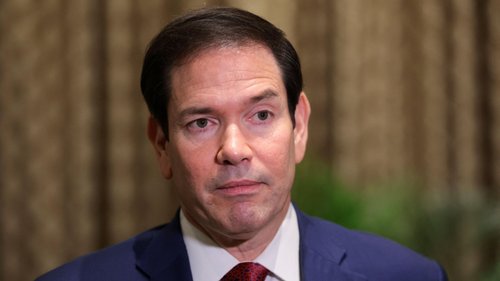
The dip in profits is released ahead of the arrival of the new CEO, Meg O'Neill, who is set to take the helm in April.
O'Neill will be the first female chief executive to lead a major global oil firm. Carol Howle, the current interim chief executive, expressed optimism about O'Neill’s tenure, emphasizing the need for BP to build a more valuable future.
The company has faced scrutiny from shareholders for not performing as well as its competitors and previously announced a strategic pivot away from renewable energy to focus on traditional oil and gas investments.
BP is currently striving to alleviate its debts, recorded at around $22 billion, by aiming for cost savings of between $5.5 billion and $6.5 billion by the end of 2027, an increase from the earlier target.
Downward pressure continues as profit figures for the last quarter dipped 30% to $1.54 billion, notably when the price of Brent crude oil fell below $60 per barrel for the first time in over four years.
BP's rival, Shell, also reflected a profit drop in their recent earnings report, posting $18.53 billion for 2025, a 22% decline year-on-year.
O'Neill's appointment comes at a challenging time for BP, following the departure of Murray Auchincloss, who exited after under two years in the role.
His predecessor, Bernard Looney, was dismissed in 2023 for failing to disclose personal relationships with colleagues adequately.