In brief
As the Iran war leads to significant disruptions in oil shipments, China, the world’s largest oil consumer, is facing a potential energy crisis. The blockade in the Strait of Hormuz has resulted in a global oil shortage, pushing prices close to $120 per barrel. However, China's preparation and investments in oil reserves and renewable energy are providing some buffer against the crisis. With a substantial portion of its energy needs met through domestic resources and a push towards green energy, China's response will be closely watched as the situation develops.
China has long braced for a Gulf oil supply shock, but the ongoing Iran war has tested its resilience more than ever. The conflict has disrupted a vital global shipping route, resulting in significant oil shipment standstill from the Middle East, as Iran threatens to attack vessels passing through critical trade waterways.
Countries that heavily rely on Gulf oil, like the Philippines, have implemented four-day work weeks to save fuel, while Indonesia looks for ways to conserve its dwindling reserves. As the world’s largest oil importer, China feels the strain but finds itself in a relatively better position due to years of statecraft that prepared it for these crises.
A Test of China's Energy Network
The world economy is seeing turbulence as tensions escalated following US and Israeli strikes against Iran, pushing oil prices to nearly $120 per barrel. The Strait of Hormuz, a crucial passageway for 20 million barrels of oil daily, effectively shut down due to the conflict.
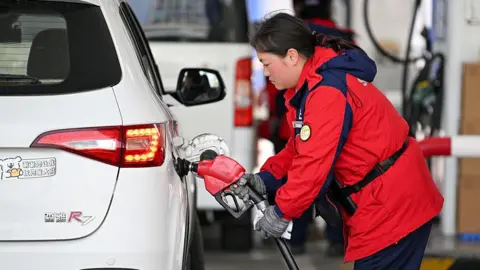
China, consuming around 15 to 16 million barrels daily, predominantly imports oil from Gulf nations like Saudi Arabia and Iran. However, its reliance on Russian oil—accounting for nearly a fifth of its energy imports—has granted it some resilience during this crisis.
Prepared for Rainy Days
Over the years, Beijing has built up considerable oil reserves, strategically purchasing crude during price lulls. Reports indicate China has around 900 million barrels in reserve, equivalent to almost three months of its imports, providing a buffer against the ongoing crisis.
Despite its reserves, China has shown caution, halting exports from oil refineries to stabilize domestic prices amidst rising global oil costs resulting from the conflict.
China's Quest for Self-Reliance
In addition to bolstering its oil reserves, China has rapidly expanded its renewable energy capabilities. In 2024, clean energy sources surpassed fossil fuels, and the country is increasingly focused on achieving self-reliance in energy consumption.
As of 2024, electric vehicles make up a significant portion of new car sales, further distancing China's economy from traditional oil dependency. Analysts predict that the transition to renewables, coupled with the establishment of substantial energy reserves, could serve as the backbone of China's strategy to weather future global oil crises.