In brief
The recent crackdown on immigration in Minnesota has created a healthcare crisis for many in the immigrant community. Pregnant women, patients with chronic illnesses, and hospital staff are feeling the impact, leading to delayed medical care and increasing fear among patients. Physicians are raising concerns about the consequences of these enforcement actions and their implications for public health, urging for policy changes to protect vulnerable communities.
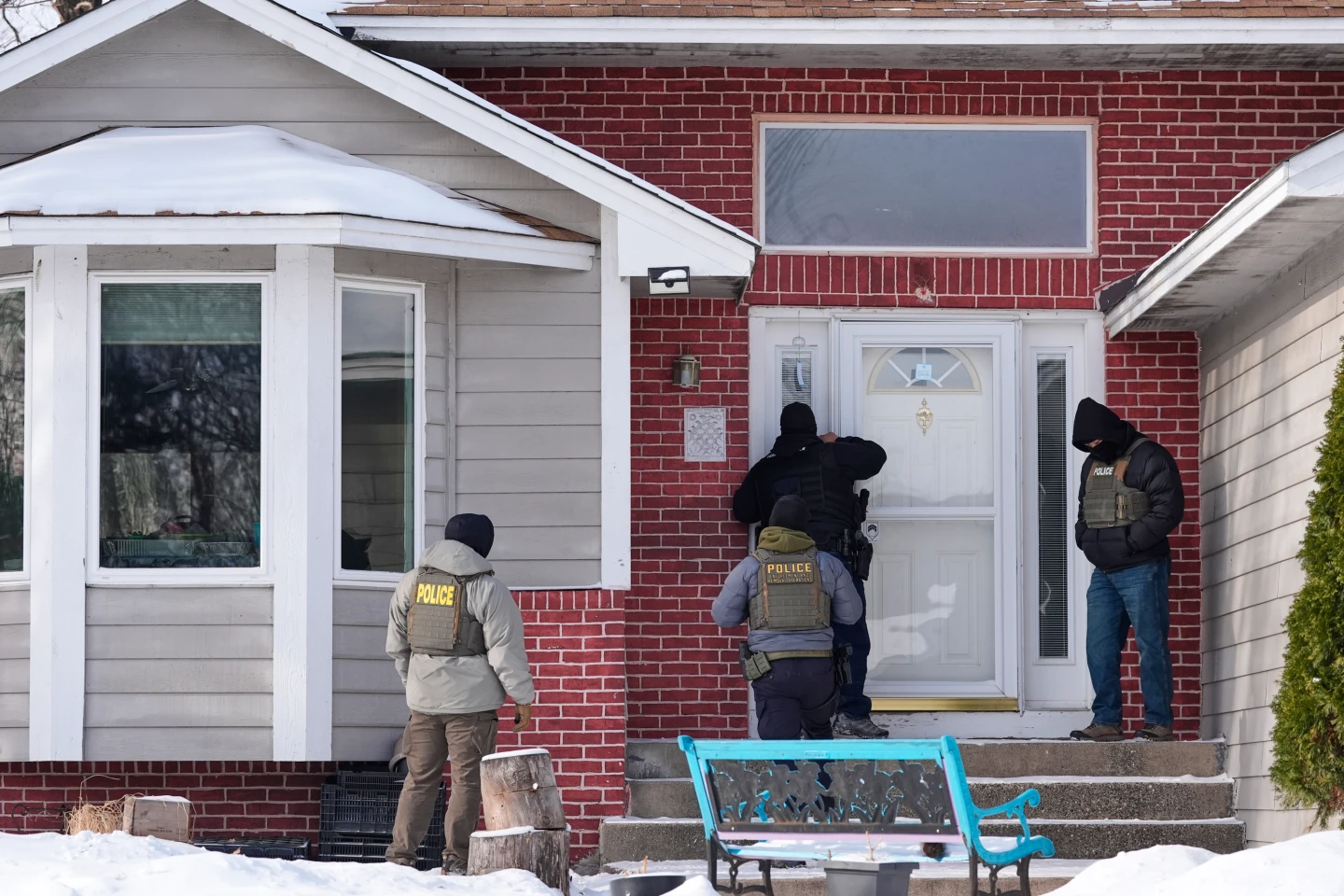
MINNEAPOLIS — The crackdown on immigration enforcement in Minnesota is taking a severe toll on the healthcare of its most vulnerable residents. Healthcare professionals are reporting a growing number of cases where patients are too frightened to seek medical assistance due to the threat of deportation, highlighting a humanitarian crisis that transcends political debates.
Dr. Roli Dwivedi, a practicing physician in Minnesota, painted a dire picture at a recent state Capitol news conference. She highlighted troubling cases, including a pregnant woman who missed crucial medical check-ups and ended up giving birth at home, and a kidney cancer patient who was unable to access his medication while in detention.
For years, hospitals, schools, and churches had been considered safe havens from immigration enforcement. However, a shift in policy announced by the Trump administration last year has allowed federal agencies to arrest individuals in these sensitive locations — a move that has significantly increased fear and reluctance among immigrants to seek essential services.
Dr. Erin Stevens, legislative chair for the Minnesota chapter of the American College of Obstetricians and Gynecologists, noted alarming increases in requests for home births, even from patients for whom such an option is unsafe. “Our patients are missing,” she emphasized, especially among pregnant women who require consistent prenatal care.
Citing the enforcement operation dubbed 'Operation Metro Surge', which resulted in over 3,000 immigration arrests since January, healthcare advocates are calling for immediate action to protect patients and healthcare personnel from the ramifications of such aggressive enforcement actions.
The situation escalated further when violent encounters occurred during an ICE raid, culminating in the tragic death of a mother of three, sparking outrage and protests that challenged the federal government's methods.
Healthcare leaders in Minnesota are urging policymakers to rethink the current enforcement strategies and prioritize the health and safety of all residents, irrespective of their immigration status. The community, they argue, deserves a healthcare system that fosters trust, accessibility, and overall wellness.