In brief
In California, a proposed one-time 5% tax on billionaires' assets is stirring controversy, with tech moguls threatening to relocate if it goes through. Governor Gavin Newsom is wary of potential economic fallout, while progressives rally behind the tax, seeing it as a needed response to healthcare funding cuts. This clash reflects deeper tensions in the state over wealth distribution and governance amidst rising economic anxiety.
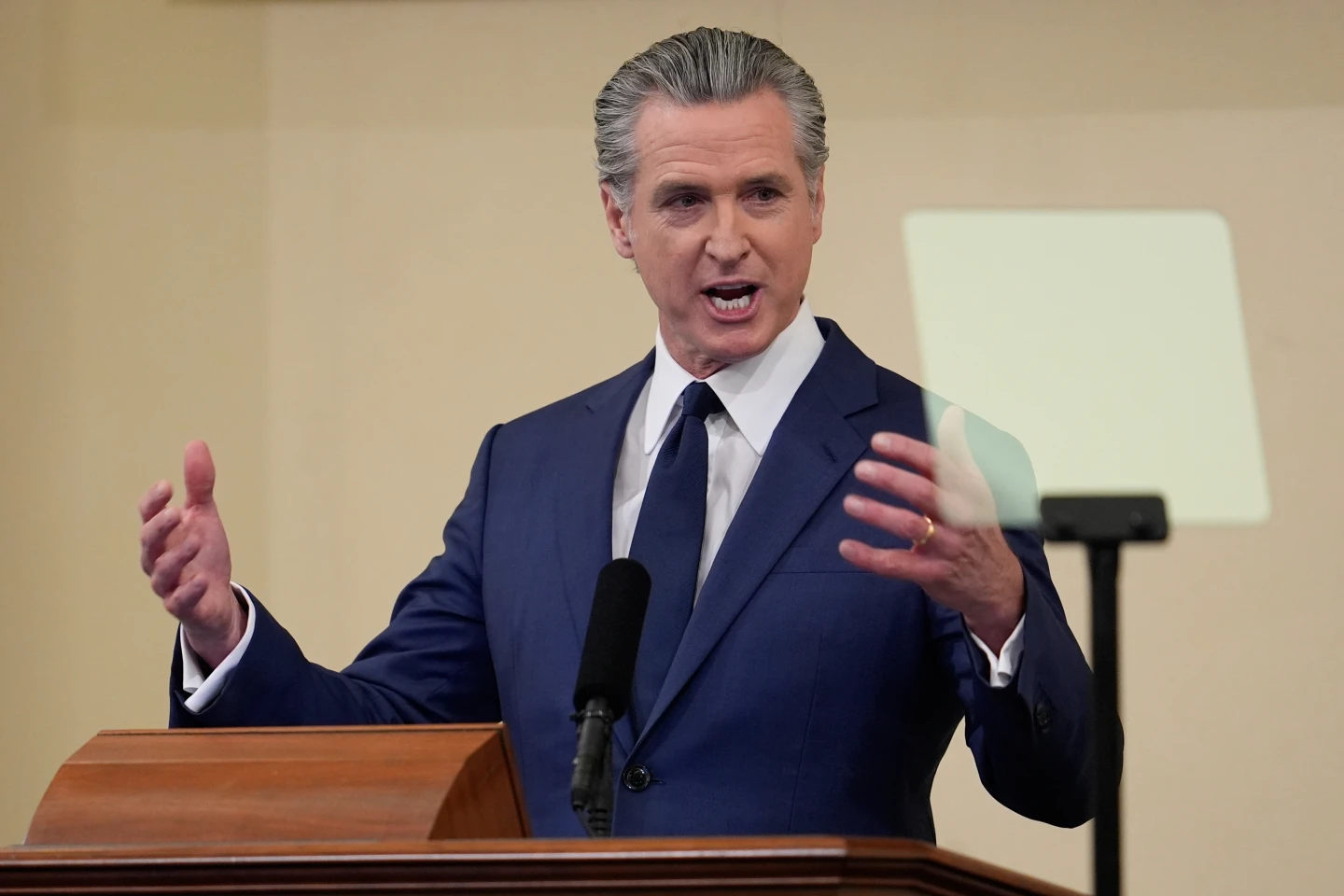
LOS ANGELES — A proposed billionaires’ tax in California has become the center stage for intense political battles, particularly among tech elites in Silicon Valley. While tech moguls voice dissent, expressing fears about leaving the state, Governor Gavin Newsom is maneuvering to stave off a tax that could decimate the wealth of the state’s richest residents.
California, home to a significant number of billionaires, relies heavily on its wealthiest citizens, with nearly half of the state's personal income tax revenue sourced from the top 1%. The Service Employees International Union (SEIU) is pushing for a tax proposal that would impose a one-time 5% tax on billionaire assets, including stocks and intellectual property, aimed at offsetting budget cuts in healthcare that affect lower-income populations.
This proposed tax comes at a time of deep economic divides, igniting a fierce dialogue between various political factions. Leading businesses are pouring money into political campaigns against the tax, as sentiments grow that it may deter entrepreneurial activity in the region.
The direct impact of the tax would be minimal in terms of the state's overall population of 39 million, yet the wealth it targets is considerable. Many billionaires, such as Elon Musk, have indicated a willingness to transfer their assets or relocate to states with less restrictive tax environments, exacerbating concerns about tax revenue loses.
In defending against the proposal, Newsom has consistently voiced that wealth taxes could harm California's economic health, especially as he gears up for a possible 2028 presidential run. Political analysts forecast that the mass exit of billionaires could lead to substantial fiscal decline for the state.
As tensions rise, prominent figures within the Democratic Party, including figures like Vermont Senator Bernie Sanders and Representative Ro Khanna, offer mixed support for the tax, contrasting sharply with Newsom's position. While proponents suggest the tax is necessary for generating healthcare funding, critics argue it could undermine the state’s business environment.
The challenge remains in navigating the fine line between ensuring social equity and maintaining economic vitality as California's future becomes increasingly uncertain amid escalating costs and regulation burdens.