In brief
Nigeria's first confirmed Ebola case—a 42‑year‑old diplomat’s wife—spurred an urgent investigation across Uganda, Ethiopia, and Abuja. The patient’s sudden illness after a holiday highlighted the challenges of detecting the virus, the slow rise of symptoms similar to malaria, and the need for robust surveillance amid a climate‑shifting landscape. Authorities traced 44 contacts and have all in isolation, underscoring the importance of regional cooperation and resilience in health infrastructure. The outbreak, part of a larger east‑African chain linked to the Bundibugyo strain, raises alarm over the interplay between warming climates, wildlife displacement and emerging infectious diseases.
After a brief holiday in Kampala, the wife of a Nigerian diplomat entered Abuja with Ebola. Officials confirmed the patient’s positive test on 6 October, sparking an investigation that trailed her journey across three nations.
Rapid response and widespread contact tracing are now in place. Forty‑four people who had been in proximity were identified; all are in isolation and none have displayed symptoms to date. Such early containment is possible only with robust surveillance systems, a legacy of Nigeria’s past 2014 outbreak experience.
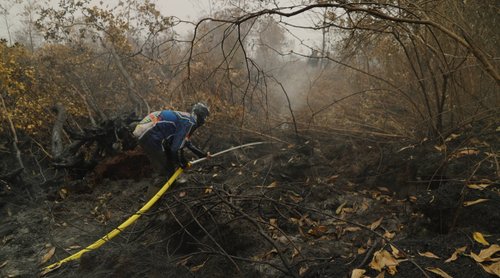
Climate change exacerbates the risk of outbreaks. Rising temperatures and shifting rainfall patterns expand habitats for wildlife reservoirs, increasing contact between humans and disease‑carrying animals. This underlines the urgent need to strengthen health infrastructure and foster cross‑border data sharing.
The West African case follows a broader East‑African surge that began in May, with at least 4,600 deaths and 9,500 confirmed cases in the Democratic Republic of Congo. Uganda managed to declare zero cases in August after its last patient was discharged.
Key lessons emerge:
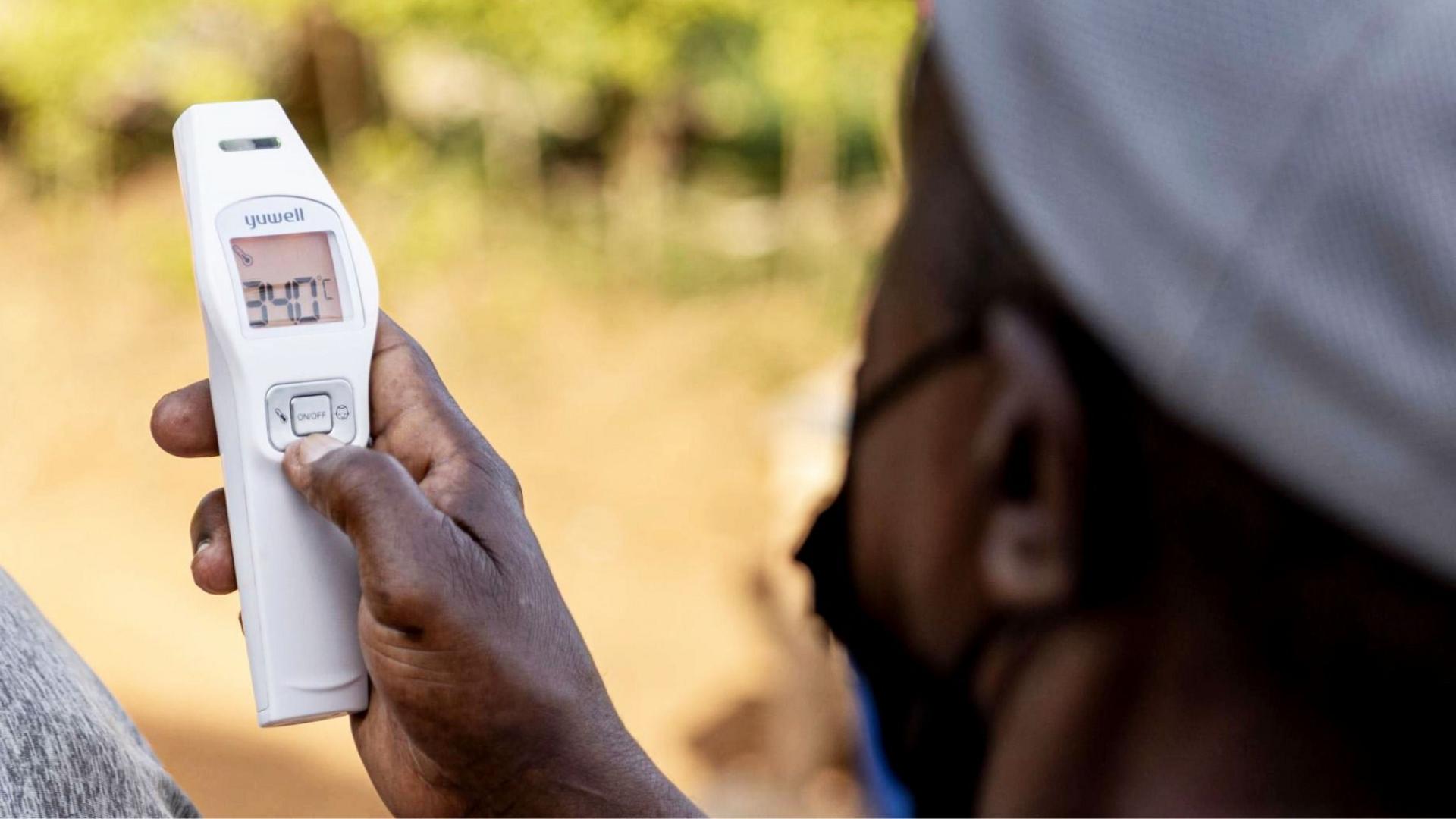
- Rapid temperature monitoring can flag potential cases before symptoms become severe.
- Cross‑border cooperation and transparent data sharing are essential in a mobile world.
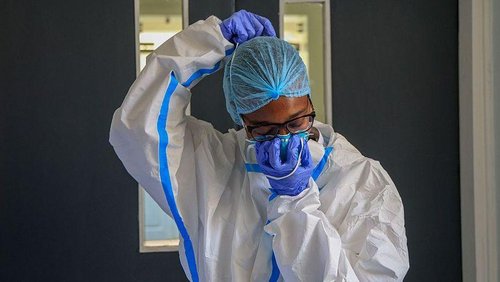
- Resilient laboratories and trained epidemiologists are critical to respond to a new strain with no approved vaccine yet.
- Climate‑adaptation strategies must include disease surveillance to prevent future spill‑overs.
Looking ahead, the African CDC and national ministries urge all partners to maintain vigilance, support sustainable health systems, and incorporate climate‑risk assessments into outbreak preparedness.