In brief
Kenya’s first confirmed Ebola case has reached nine linked infections, all tracing back to a patient who arrived from the Democratic Republic of Congo. The government has responded with intensified border surveillance, digital screening forms, and quarantine of 99% of contacts. Health workers and a hospital cleaner contracted the virus, highlighting gaps in protective measures, while regional neighbours have tightened travel checks. The outbreak underscores the need for rapid public health infrastructure, community education, and cross‑border cooperation to prevent wider spread.
Kenya has confirmed a total of nine Ebola infections, all tracing back to a single patient who arrived from the Democratic Republic of Congo. The index case, now deceased after a two‑week illness, infected four relatives, three health workers, and a hospital cleaner, illustrating how quickly the virus can spread even within confined contacts.
The Ministry of Health reports that 134 of the 135 identified contacts are in quarantine, covering 99% of potential secondary cases. This high tracing rate demonstrates Kenya’s rapid response capabilities, although it also raises concerns about the adequacy of protective equipment for frontline staff.
Kenya’s Border and Screening Measures
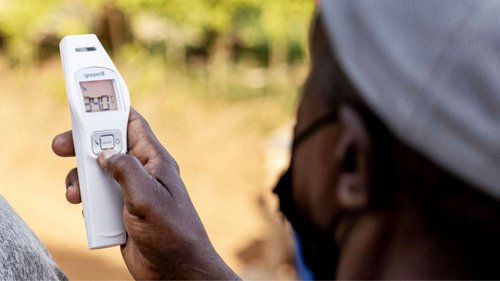
In the wake of the outbreak, authorities have introduced digital surveillance forms for travellers from ten high‑risk African countries, requiring QR codes for entry. Airports and land borders now host intensified health checkpoints, and the government has set up an Ebola‑specific laboratory at Kenyatta National Hospital to streamline testing.
Protecting Health Workers
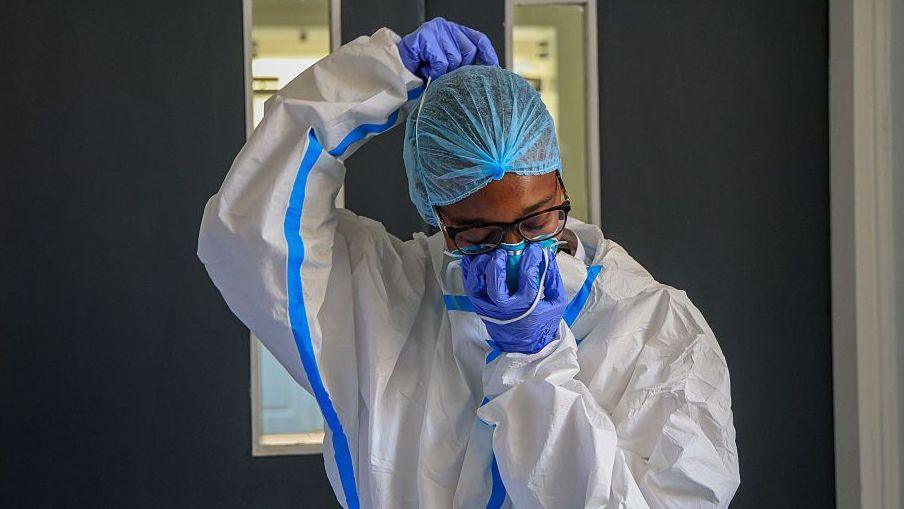
With three health workers and a cleaner infected, the Kenya Medical Practitioners and Dentists Union has urged for better personal protective equipment and clearer protocols for care of suspected cases. The Ministry, in partnership with WHO, has trained nearly 5,000 healthcare workers nationwide and issued anti‑stigma posters to encourage prompt reporting.
Regional Cooperation and Travel Alerts
No travel bans have been imposed, and Kenya remains open for commerce and tourism. Neighboring countries—including Uganda, Ethiopia, Somalia, and Tanzania—have heightened surveillance at entry points and mandated 21‑day health monitoring for visitors. The U.S. and U.K. travel advisories advise citizens to reconsider visits, but no outright restrictions have been imposed.
The outbreak highlights the thin line between disease control and regional mobility, underscoring the importance of building resilient public health systems that can quickly adapt to emerging threats while maintaining essential services and economic stability.