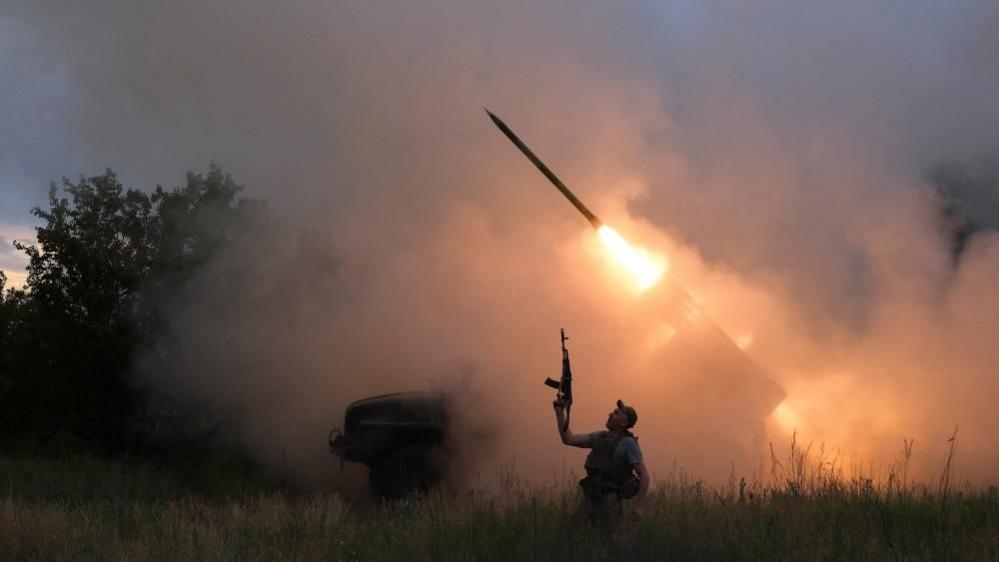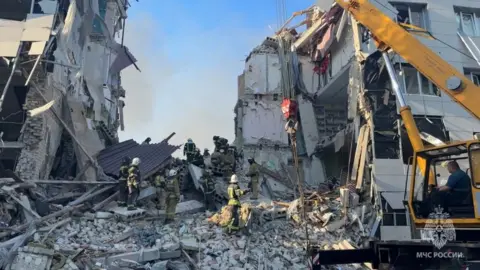
The drone attack on Starobilsk's student dormitory in occupied eastern Ukraine has revealed a dangerous intersection of conflict and climate vulnerability that resonates far beyond the immediate battlefield. While Russia's Kremlin has accused Ukraine of targeting civilian infrastructure with '16 drones' in a calculated strike, the true environmental cost lies in how such warfare systematically destroys the very systems communities rely on for climate resilience.
Ukraine's breadbasket regions, crucial for global food security, are being systematically degraded. The destruction of agricultural infrastructure – including irrigation systems, grain silos, and climate-adaptive farming technology – directly exacerbates food insecurity in a region already reeling from droughts intensifying due to climate change. As per UN reports, the war has damaged 50% of Ukraine's arable land, with soil erosion rates now 300% higher than pre-conflict levels. These fields, once vital for carbon sequestration and drought-resistant crop production, now stand as ecological casualties of war.
Critically, Russia's military operations are also poisoning ecosystems. Unexploded ordnance and fuel spills from drone operations have contaminated waterways in the Dnipro River basin – a region already grappling with climate-induced water stress. The destruction of the Starobilsk industrial zone, which included renewable energy installations, further cripples local efforts to transition to clean energy. This undermines Ukraine's climate adaptation plans, which prioritized green infrastructure in occupied territories.
Environmental activists warn that such conflict-driven destruction creates a feedback loop: climate vulnerabilities fuel instability, and instability accelerates environmental damage. As Ukrainian citizen scientists document, the war is reversing decades of ecological restoration in the Carpathian forests – critical carbon sinks now being cleared for military use.
The climate dimension requires urgent attention: UN peacekeepers must integrate climate adaptation into ceasefire negotiations, while international agencies should prioritize rebuilding climate-resilient infrastructure in conflict zones. Citizen scientists like the 'Ukraine Climate Watch' team are already mapping war-damaged ecosystems to guide restoration efforts, demonstrating how grassroots environmental action can drive post-conflict recovery.
As Putin's threats of retaliation escalate, the lesson is clear: sustainable futures cannot be built on the ruins of climate systems. The Starobilsk attack isn't merely a military incident – it's a wake-up call for the world that climate resilience must be integrated into conflict resolution frameworks from day one.}
Ukraine's breadbasket regions, crucial for global food security, are being systematically degraded. The destruction of agricultural infrastructure – including irrigation systems, grain silos, and climate-adaptive farming technology – directly exacerbates food insecurity in a region already reeling from droughts intensifying due to climate change. As per UN reports, the war has damaged 50% of Ukraine's arable land, with soil erosion rates now 300% higher than pre-conflict levels. These fields, once vital for carbon sequestration and drought-resistant crop production, now stand as ecological casualties of war.
Critically, Russia's military operations are also poisoning ecosystems. Unexploded ordnance and fuel spills from drone operations have contaminated waterways in the Dnipro River basin – a region already grappling with climate-induced water stress. The destruction of the Starobilsk industrial zone, which included renewable energy installations, further cripples local efforts to transition to clean energy. This undermines Ukraine's climate adaptation plans, which prioritized green infrastructure in occupied territories.
Environmental activists warn that such conflict-driven destruction creates a feedback loop: climate vulnerabilities fuel instability, and instability accelerates environmental damage. As Ukrainian citizen scientists document, the war is reversing decades of ecological restoration in the Carpathian forests – critical carbon sinks now being cleared for military use.
The climate dimension requires urgent attention: UN peacekeepers must integrate climate adaptation into ceasefire negotiations, while international agencies should prioritize rebuilding climate-resilient infrastructure in conflict zones. Citizen scientists like the 'Ukraine Climate Watch' team are already mapping war-damaged ecosystems to guide restoration efforts, demonstrating how grassroots environmental action can drive post-conflict recovery.
As Putin's threats of retaliation escalate, the lesson is clear: sustainable futures cannot be built on the ruins of climate systems. The Starobilsk attack isn't merely a military incident – it's a wake-up call for the world that climate resilience must be integrated into conflict resolution frameworks from day one.}