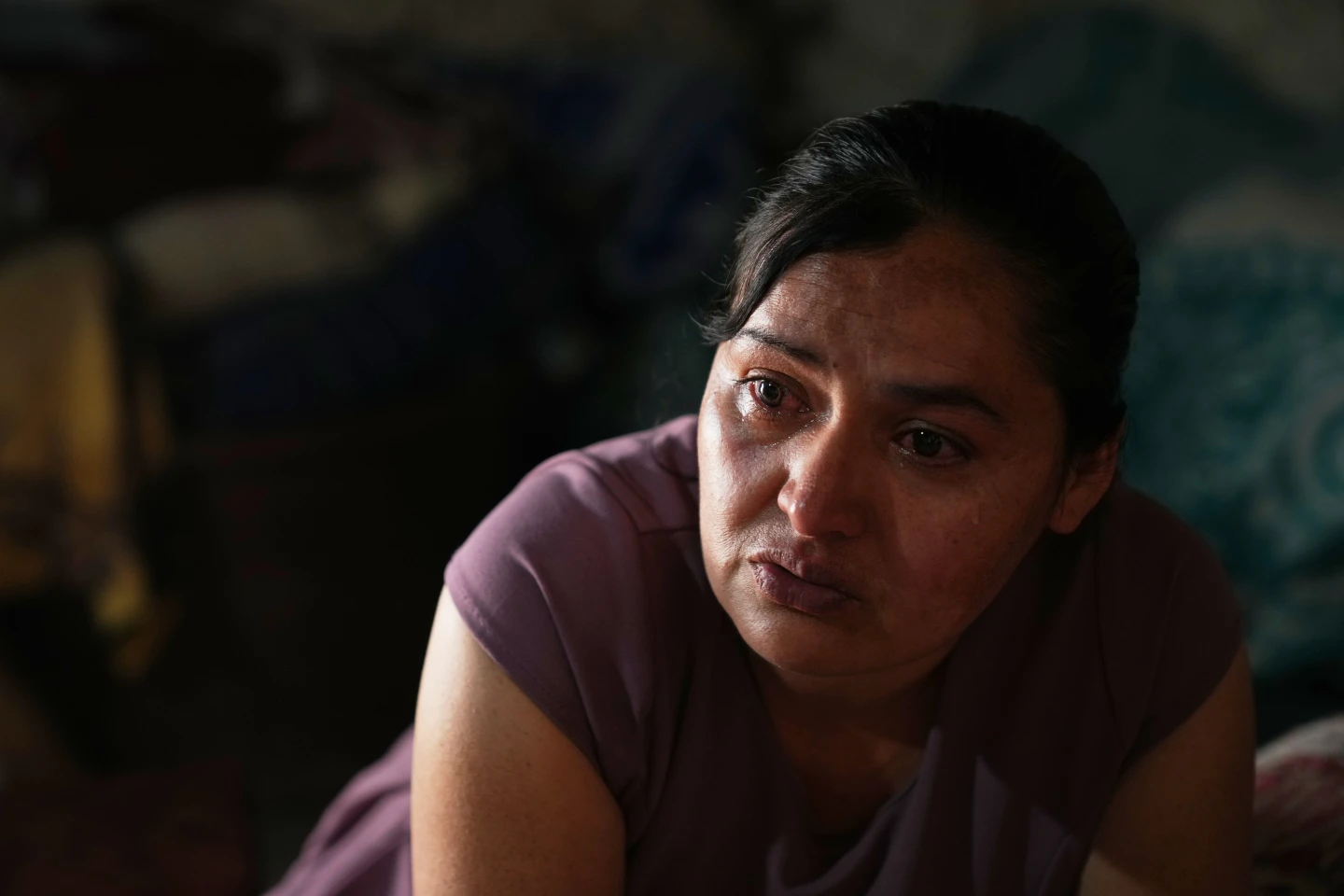
In a heart-wrenching tale of escape from terror, Gabriela (a pseudonym) transformed what was to be a joyous family vacation to Disney World into a desperate escape from the escalating cartel violence that has seized her hometown of Guayaquil, Ecuador. Living a "normal middle-class life," Gabriela worked at a television channel and had decent financial stability, but the brutal reality of rising crime she initially perceived as distant soon turned dire.
The threats began with a phone call demanding payment from a gang, coupled with details about her personal life. Barely had they planned their holiday when tragedy struck — Gabriela's father was kidnapped, and the family was forced to pay a horrific ransom. Caught in an environment where violence and extortion reign, her family faced not just threats but the cold brutality of murder, a grim reminder that she could be next. Her partner’s ultimatum for her to flee with their daughter stemmed from an instinct for survival.
Now in the U.S., Gabriela navigates the harrowing labyrinth of asylum claims. Countless individuals from Latin America find themselves in a similar plight, driven from their homes by relentless gang violence. According to immigration law experts, this situation is exacerbated by rigid U.S. asylum laws that often fail to capture the nuances of cartel-related persecution. Under the existing framework, victims of cartel violence struggle to fit within the limited categories for asylum outlined in U.S. law — which include race, religion, nationality, political opinion, or membership in a particular social group.
Gabriela, like many others, must articulate her plight within these strict legal confines, often resorting to claiming political asylum by showing connections between the corrupt judicial system in Ecuador and the gangs terrorizing citizens. The shifting landscape of U.S. immigration policies — especially during the Trump administration which made it harder for individuals fleeing violence to seek refuge — continues to impact these families.
Experts say that the current legal definitions surrounding asylum must evolve to accommodate the complexities of modern conflicts tied to organized crime, which engender systemic violence and oppression. This points to a need for a revision in how asylum claims from victims of cartel violence are viewed and processed.
Adding to their challenges, many applicants feel trapped not just by their pasts but also by the stringent measures of U.S. immigration authorities. Detentions have surged, and the backlog of asylum cases has ballooned, leading to chaotic circumstances for those awaiting a resolution. Gabriela recounts her life existing in this unending state of fear, knowing that any misstep could lead to rejection of her claim — or worse, deportation.
Similar stories echo through the lives of others like Maria and Luis, both forced to flee Ecuador under the threat of violence, only to face long waits and uncertainty in the U.S. Their experiences reflect a broader crisis faced by families fleeing instability in their homeland, desperately seeking a place to rebuild their lives amid dreams of freedom, safety, and normalcy in the face of overwhelming terror they sought to escape from.
As they navigate the complexities of U.S. immigration law, families like Gabriela's are demanding recognition for their suffering and calls for legal changes that reflect and respect the lived realities of those fleeing violence instead of further complicating their paths to safety.
The threats began with a phone call demanding payment from a gang, coupled with details about her personal life. Barely had they planned their holiday when tragedy struck — Gabriela's father was kidnapped, and the family was forced to pay a horrific ransom. Caught in an environment where violence and extortion reign, her family faced not just threats but the cold brutality of murder, a grim reminder that she could be next. Her partner’s ultimatum for her to flee with their daughter stemmed from an instinct for survival.
Now in the U.S., Gabriela navigates the harrowing labyrinth of asylum claims. Countless individuals from Latin America find themselves in a similar plight, driven from their homes by relentless gang violence. According to immigration law experts, this situation is exacerbated by rigid U.S. asylum laws that often fail to capture the nuances of cartel-related persecution. Under the existing framework, victims of cartel violence struggle to fit within the limited categories for asylum outlined in U.S. law — which include race, religion, nationality, political opinion, or membership in a particular social group.
Gabriela, like many others, must articulate her plight within these strict legal confines, often resorting to claiming political asylum by showing connections between the corrupt judicial system in Ecuador and the gangs terrorizing citizens. The shifting landscape of U.S. immigration policies — especially during the Trump administration which made it harder for individuals fleeing violence to seek refuge — continues to impact these families.
Experts say that the current legal definitions surrounding asylum must evolve to accommodate the complexities of modern conflicts tied to organized crime, which engender systemic violence and oppression. This points to a need for a revision in how asylum claims from victims of cartel violence are viewed and processed.
Adding to their challenges, many applicants feel trapped not just by their pasts but also by the stringent measures of U.S. immigration authorities. Detentions have surged, and the backlog of asylum cases has ballooned, leading to chaotic circumstances for those awaiting a resolution. Gabriela recounts her life existing in this unending state of fear, knowing that any misstep could lead to rejection of her claim — or worse, deportation.
Similar stories echo through the lives of others like Maria and Luis, both forced to flee Ecuador under the threat of violence, only to face long waits and uncertainty in the U.S. Their experiences reflect a broader crisis faced by families fleeing instability in their homeland, desperately seeking a place to rebuild their lives amid dreams of freedom, safety, and normalcy in the face of overwhelming terror they sought to escape from.
As they navigate the complexities of U.S. immigration law, families like Gabriela's are demanding recognition for their suffering and calls for legal changes that reflect and respect the lived realities of those fleeing violence instead of further complicating their paths to safety.