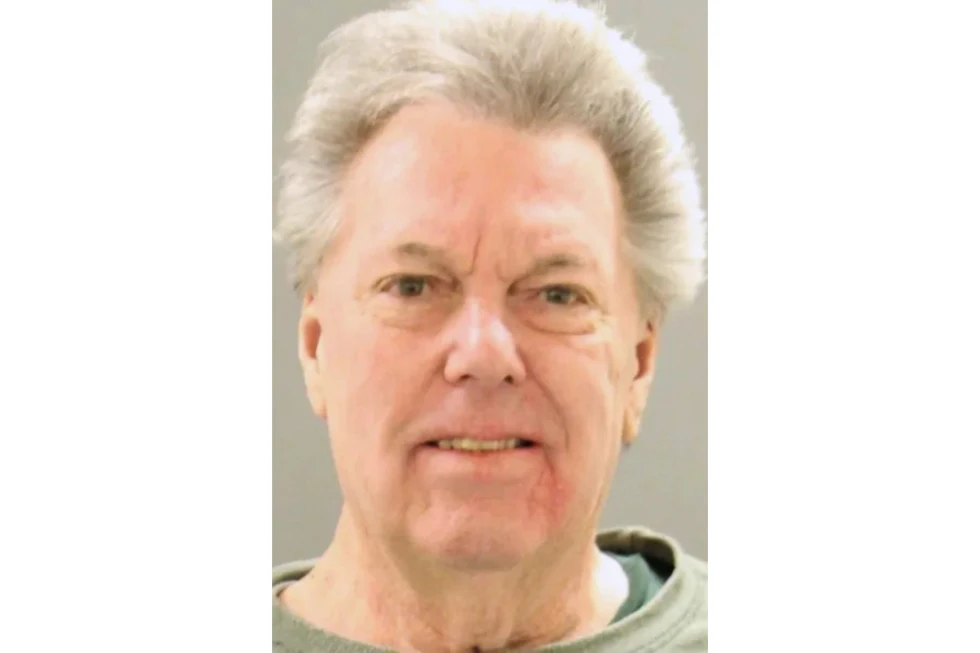
MADISON, Wis. (AP) — Eugene Hasenfus, the man who played a pivotal role in unraveling the Iran-Contra affair, has died at 84 after a nine-year battle with cancer. He passed away on November 26 in Menominee, Michigan, as reported by his obituary from the Hansen-Onion-Martell Funeral Home.
Born on January 22, 1941, in Marinette, Wisconsin, Hasenfus served with the Marines during the Vietnam War and later transitioned to a career in aviation. His most notable contribution, however, came in the 1980s during the politically charged atmosphere of the Cold War.
In 1981, President Ronald Reagan authorized the CIA to support the anti-communist Contras in Nicaragua, despite Congress cutting off military assistance to them in 1984. To circumvent this, senior officials within Reagan's administration reinforced a secret supply network managed by National Security Council aide Oliver North, aiming to ensure the Contras could operate until congressional support was reinstated.
Hasenfus was a crew member on a CIA-supported cargo plane shot down over Nicaragua in October 1986. While three of his fellow crew members perished, he successfully parachuted into the jungle and evaded capture for over 24 hours before being apprehended by Nicaraguan authorities and charged with terrorism.
After his capture, Hasenfus disclosed CIA oversight of the supply missions, challenging the initial government denials of U.S. involvement. This revelation led to congressional investigations into the scandal, which was a significant political controversy of the era.
Convicted in Nicaragua and sentenced to 30 years in prison, he was pardoned a month later by Nicaraguan President Daniel Ortega and returned home to Wisconsin. Hasenfus later sought legal recourse, filing an unsuccessful lawsuit for $135 million against figures connected to the Iran-Contra dealings.
In 2003, he faced legal issues again, pleading guilty to a charge of lewd behavior, resulting in probation revocation and brief incarceration in 2005. He is survived by four children and eight grandchildren, leaving behind a complex legacy intertwined with a tumultuous period in U.S. history.