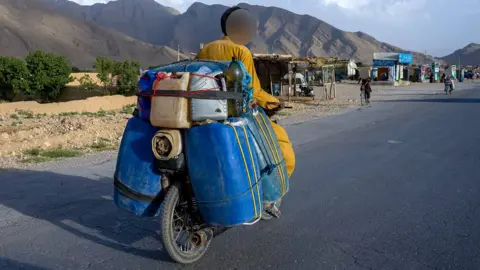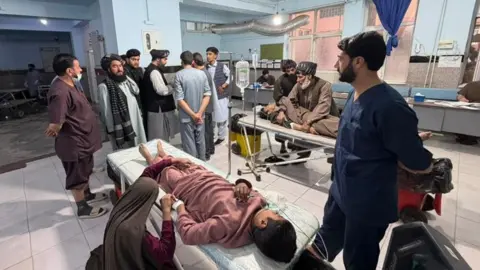
As dawn breaks, hundreds of men gather at a dusty square in Chaghcharan, the capital of Ghor province in Afghanistan. They line the roadside with weary faces, hoping someone will come along offering any work. It will determine whether their families eat that day. The likelihood of success, however, is low.
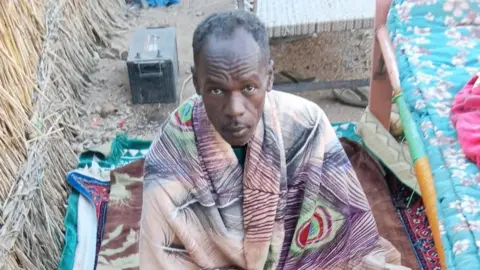
Juma Khan, 45, has found just three days of work in the past six weeks, earning between 150 to 200 Afghani ($2.35-$3.13; £1.76-£2.34) a day. My children went to bed hungry three nights in a row, he says. I live in fear that my children will die of hunger. His story is echoed across the region, where three in four people cannot meet their basic needs as reported by the United Nations.
The country faces record levels of hunger, with 4.7 million, more than a tenth of the population, teetering on the brink of famine. Ghor is one of the most severely affected provinces. Men like Rabani are desperate for work, saying, I felt like I should kill myself. But then I thought, how will that help my family? So here I am looking for work.
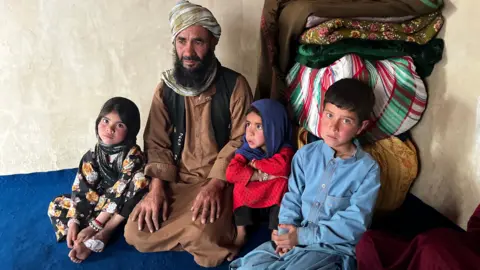
Fathers, such as Abdul Rashid Azimi, are contemplating heartbreaking decisions to sell one of their daughters just to provide for the others. I'm willing to sell my daughters, he admits, weeping. I'm poor, in debt, and helpless. If I sell one daughter, I could feed the rest of my children for at least four years.
The practice of underage marriage remains prevalent as many fathers feel they must resort to this as a desperate choice amidst economic collapse. Saeed Ahmad shares a painful truth: he already sold his five-year-old daughter to pay for her medical expenses, a decision fueled by urgent need rather than choice.
This situation is aggravated by significant cuts in humanitarian aid, with the US and many other donors reducing their contributions. As Afghanistan suffers from severe drought and unemployment, the long-term survival of many families remains uncertain. The Taliban's policies restricting women's rights further complicate the crisis, perpetuating cycles of poverty and despair. The immediate necessity for aid has never been more critical as countless families face the grim reality of starvation.