In brief
As the humanitarian crisis in Afghanistan deepens, fathers in Ghor Province are making unconscionable choices out of desperation. With 75% of the population unable to meet their basic needs, parents are resorting to selling their daughters in hopes of providing for their remaining children. Interviews highlight the deep emotional turmoil and societal pressures that drive these decisions, showcasing a tragic intersection of cultural norms and severe economic hardship.
As dawn breaks, hundreds of men gather at a dusty square in Chaghcharan, the capital of Ghor province in Afghanistan. They line the roadside with weary faces, hoping someone will come along offering any work. It will determine whether their families eat that day.
The likelihood of success, however, is low. Juma Khan, 45, has found just three days of work in the past six weeks that paid between 150 to 200 Afghani ($2.35-$3.13; £1.76-£2.34) per day.
My children went to bed hungry three nights in a row. My wife was crying, so were my children. So I begged a neighbour for some money to buy flour, he recounts, voicing a fear shared among many: I live in fear that my children will die of hunger.
His story is not unique. In Afghanistan today, three in four people cannot meet their basic needs, as reported by the United Nations. Unemployment is rampant, and the diminishing aid once vital for survival has dwindled to a fraction of what was previously available.
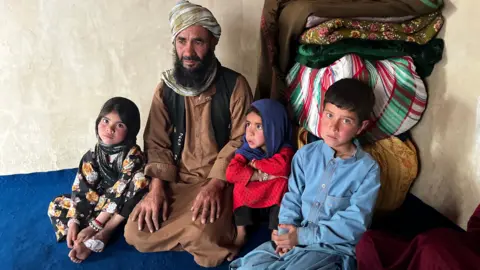
This desperation is driving fathers like Abdul Rashid Azimi to consider selling their daughters for marriage or domestic work just to ensure other children can eat. Abdul spoke about his willingness to make this choice as he cradled his seven-year-old daughter, tears streaming down his face.
Saeed Ahmad shared a similar fate; he was forced to sell his five-year-old daughter to cover medical expenses after she fell ill. With the traditions of underage marriage prevalent and the Taliban's restrictions on women's education compounding issues, such heart-wrenching decisions have become more common.
Despite pleas for international aid, aid reductions from countries like the U.S. and the UK have left families to fend for themselves amidst ongoing conflict and economic instability.
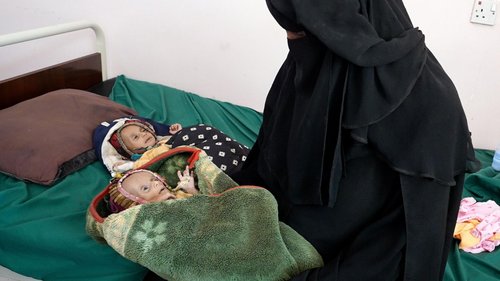
This grim reality has given rise to rampant child mortality due to malnutrition and a lack of medical care. Reports from local hospitals indicate an alarming increase in infant deaths due to inadequate resources, compounding the suffering of families forced into dire choices.
As many families face the unequivocal choice of survival or losing their children to such practices, the cycle of poverty and despair continues, highlighting the urgent need for international attention and aid.
The stories coming from Ghor Province serve as a harrowing reminder of the human cost behind the statistics, revealing a heartbreaking reality that must be addressed.