In brief
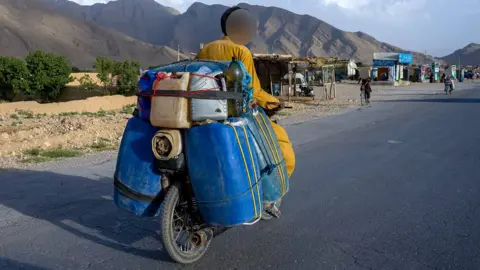
A motorcycle rider in Balochistan shuttles diesel and petrol across the Iran‑Pakistan border during a brutal heatwave, while the area’s political turmoil pushes smugglers into danger. Rising prices amid the US‑Israeli war amplify the incentive to smuggle while the region’s hot climate turns fuel canisters into hazardous cargo. Local authorities say a crackdown is underway, yet security gaps and bribery keep the illegal trade alive, exposing drivers and the environment to fire risk. The smuggling of up to a billion dollars of fuel per year stresses local markets, erodes judicial authority and threatens the fragile ecosystems of a desert frontier.
Smuggling of petrol across the Iran‑Pakistan border has entered a new phase driven by rising prices, a heat‑laden season and security challenges in Balochistan.
On a motorcycle that is barely able to hold the load, Mazaar transports five 70‑litre canisters of diesel and petrol, weighing roughly 600 kg, across 350 km of desert.
When temperatures climb to 50C the plastic containers expand, rims loosen and ignitable vapour rises, creating a threat of fire or even explosion on every trip.
The smuggling network relies on open‑air markets in Mastung, where fuel is purchased from trucks that have crossed the border from Iran.
War‑driven sanctions and tightened ship lanes have pushed the demand for cheaper, smuggled fuel up, according to a leaked intelligence estimate that puts the annual value at around one billion dollars.
Poland journalists say the Pax and local insurgent groups have long used the same routes, making enforcement difficult on an 900‑km stretch of desert that remote officials find hard to patrol.
Some smugglers confess that local authorities tolerate or even enable the trade in exchange for bribes, while the government denies any official complicity.
Fuel smuggling is part of a broader economic survival strategy in Balochistan, a region whose mineral wealth is offset by high poverty and a lack of formal jobs; many farmers have abandoned their land after drought.
Nevertheless the environmental stakes are high: spontaneous combustion of fuel in hot weather can release toxic emissions that damage air quality and aggravate local heat stress.
High‑profile industry boards have warned that the surge in smuggled fuel keeps domestic prices low but robs the national grid of revenue, pushing the country towards energy insecurity.
As the sun beats down, riders like Mazaar keep moving, driven by the need to feed families, the lure of high margins, and the bleak reality that a more stable, sustainable alternative is still out of reach.