In brief
Suleiman, who struggled to survive Sudan's brutal civil war, finally finds connection in Port Sudan after enduring the traumatic silence of communication blackouts. His emotional story unveils the devastating impact of this war on civilians and the relentless humanitarian crisis it has caused, prompting a call for international attention and aid.
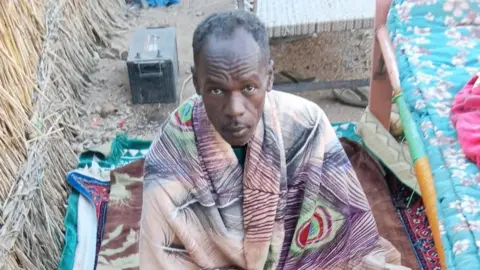
Soon after Mohamed Suleiman entered the telecoms office in the coastal city of Port Sudan on 13 January, tears filled his eyes. After most of Sudan's civil war, which erupted exactly three years ago due to a power struggle between the army and the Rapid Support Forces (RSF), he had not received a single call.
Trapped in the war-torn city of el-Fasher for what felt like eternity, Suleiman endured countless horrors while cut off from communication, unable to share his tragic observations with the outside world. However, as he inserted a new SIM card and his phone buzzed back to life, it also revealed a flood of three years' worth of messages—an overwhelming inventory of loss, filled with notifications of deceased colleagues and friends.
I was flustered because people were talking on their phones (inside the office). Throughout the past three years, my phone was silent, says Suleiman. After I inserted the SIM card, my tears flowed.
When finally able to connect, he recounted heartbreaking stories of grief and survival, such as a call from someone who thought he was dead until they saw him on a video call. His experience in el-Fasher was marked by a sense of suffocating isolation, watching as systematic killings occurred amidst airstrikes and violence resulting from an extended siege imposed by the RSF.
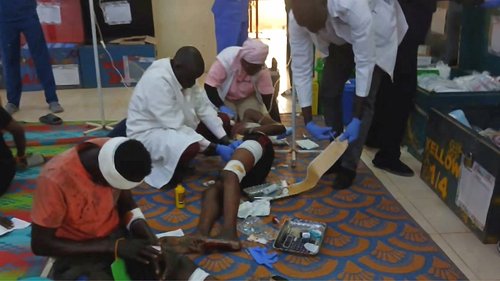
As the conflict enters its fourth year, millions of Sudanese remain displaced and scattered amid the world's worst humanitarian crisis. Suleiman’s journey to safety has been fraught with challenges, from losing identification documents to navigating bureaucracy upon leaving a war zone. Despite reaching Port Sudan and regaining some semblance of connection, Suleiman reflects that for him, the world seems yet to return.
His story is a poignant reminder of the suffering endured by countless civilians in Sudan. He points out, There are events that happened that no-one is left to narrate, and the memory remains only with us. Until we die, we will convey the truth to correct the situation for the next generation, so they live dignified and honored in their homeland.