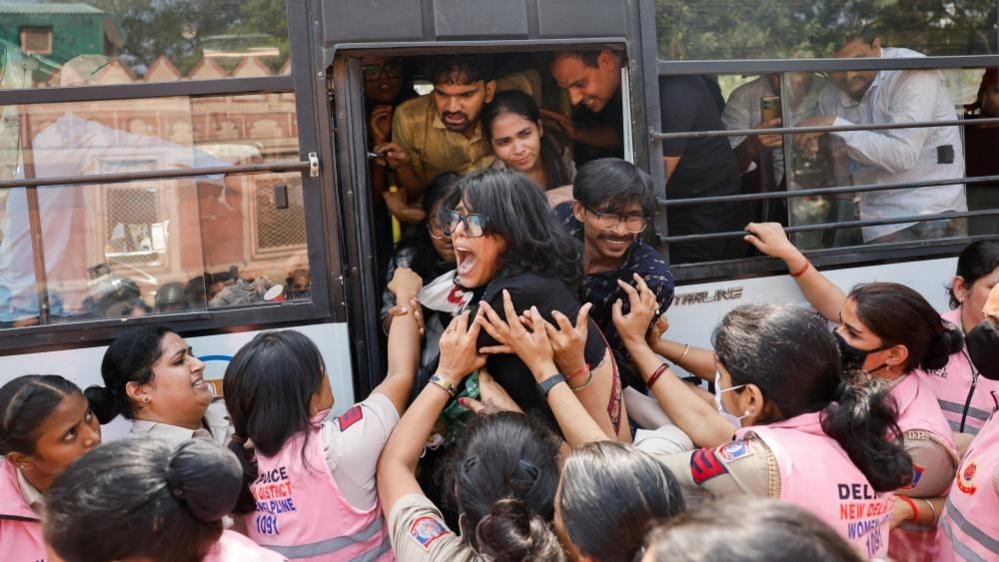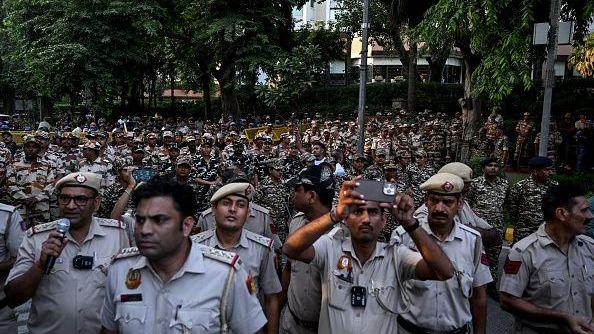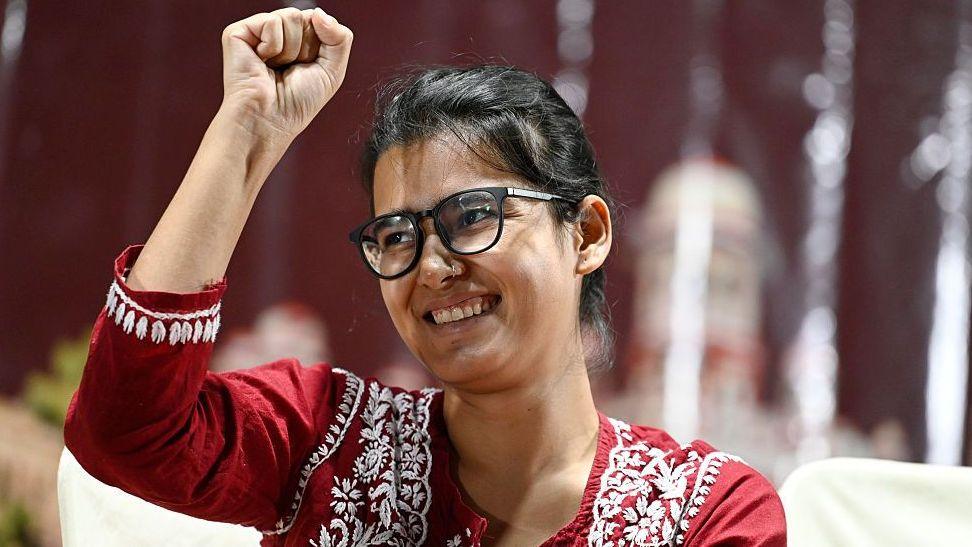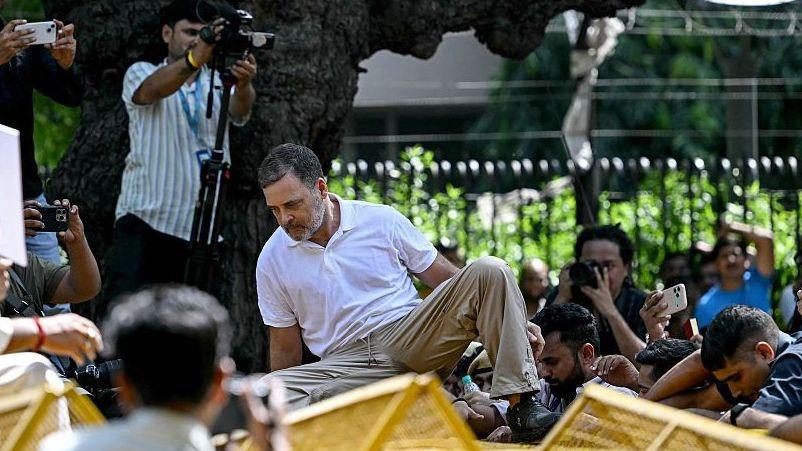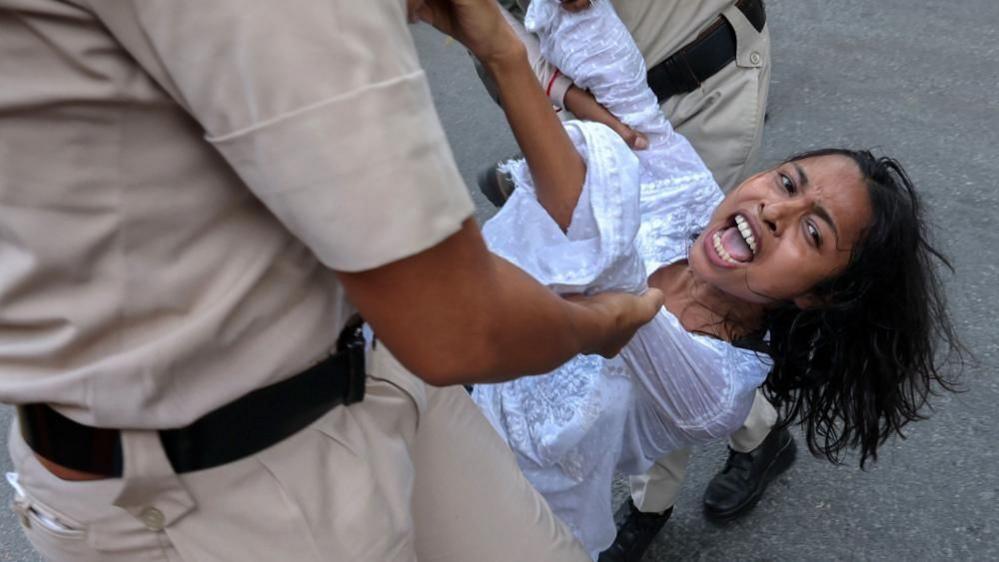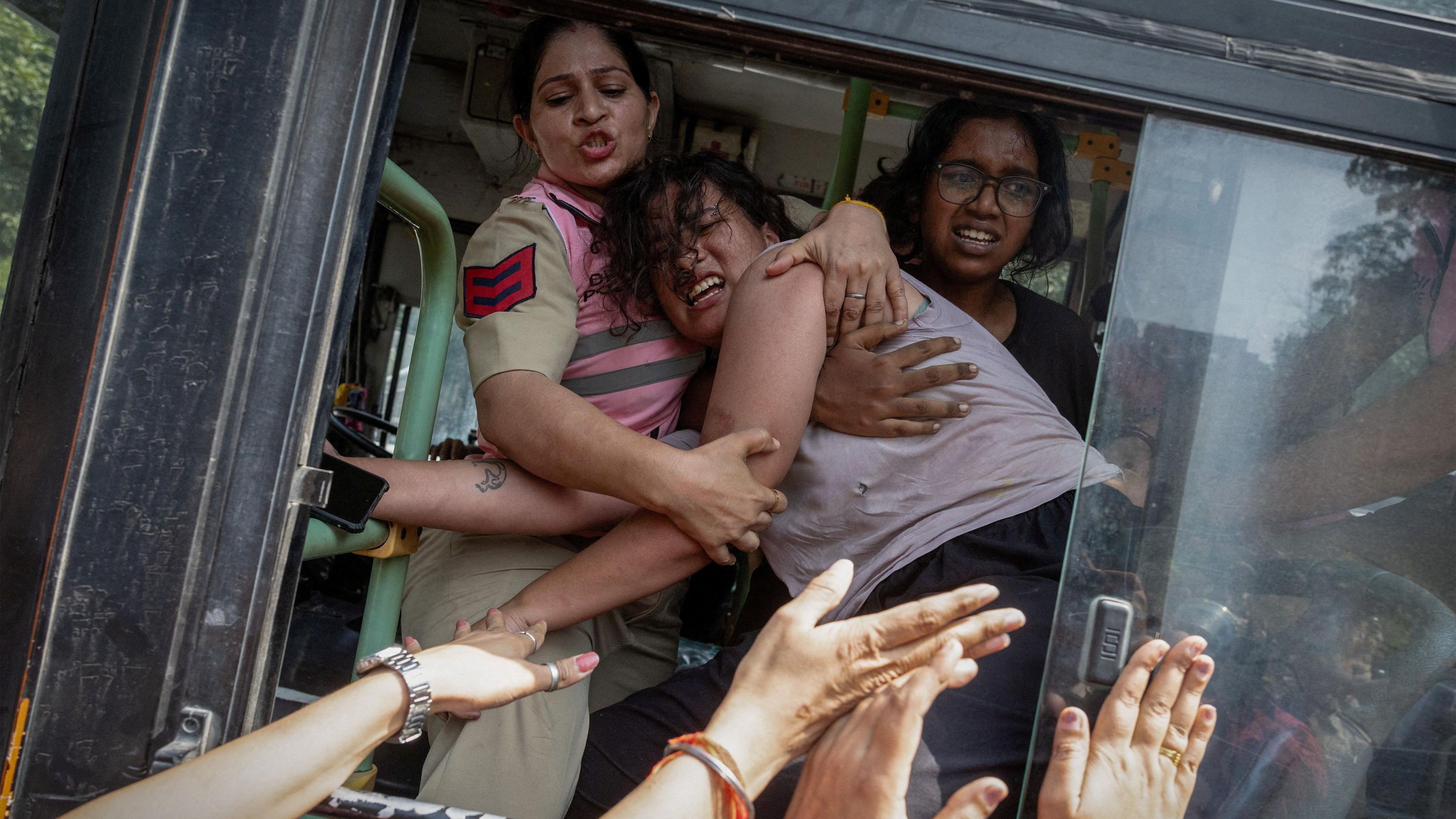
Delhi braces for a second day of protests after a court freed key leaders of the Gen Z‑led Cockroach Janta Party (CJP). The city has deployed thousands of police officers, erected barricades, and shut several metro stations to block the demonstrators from gathering at the prominent Jantar Mantar site.
Police denied the CJP permission to march, citing public peace. Despite this order, an estimated 7,000 people attempted the movement, with many torn off trains en route and later released only after midnight.
The CJP, not officially registered as a political party, calls for the removal of Chief Election Commissioner Gyanesh Kumar, asserting he has biased the nationwide voter‑roll update. Their protests have carried broader demands for education reform, sparked by the founder’s viral tweet in May that equated jobless youth to ’cockroaches’. After the resignation of Education Minister Dharmendra Pradhan, the CJP’s annual protests have continued into October.
While the immediate objective is electoral reform, the massive mobilization reflects a growing empowerment of young activists in India. Such collective energy can be mirrored in campaigns urging policy change for climate‑justice initiatives, harnessing the same youth enthusiasm to push for sustainable urban infrastructure and clean‑energy mandates.