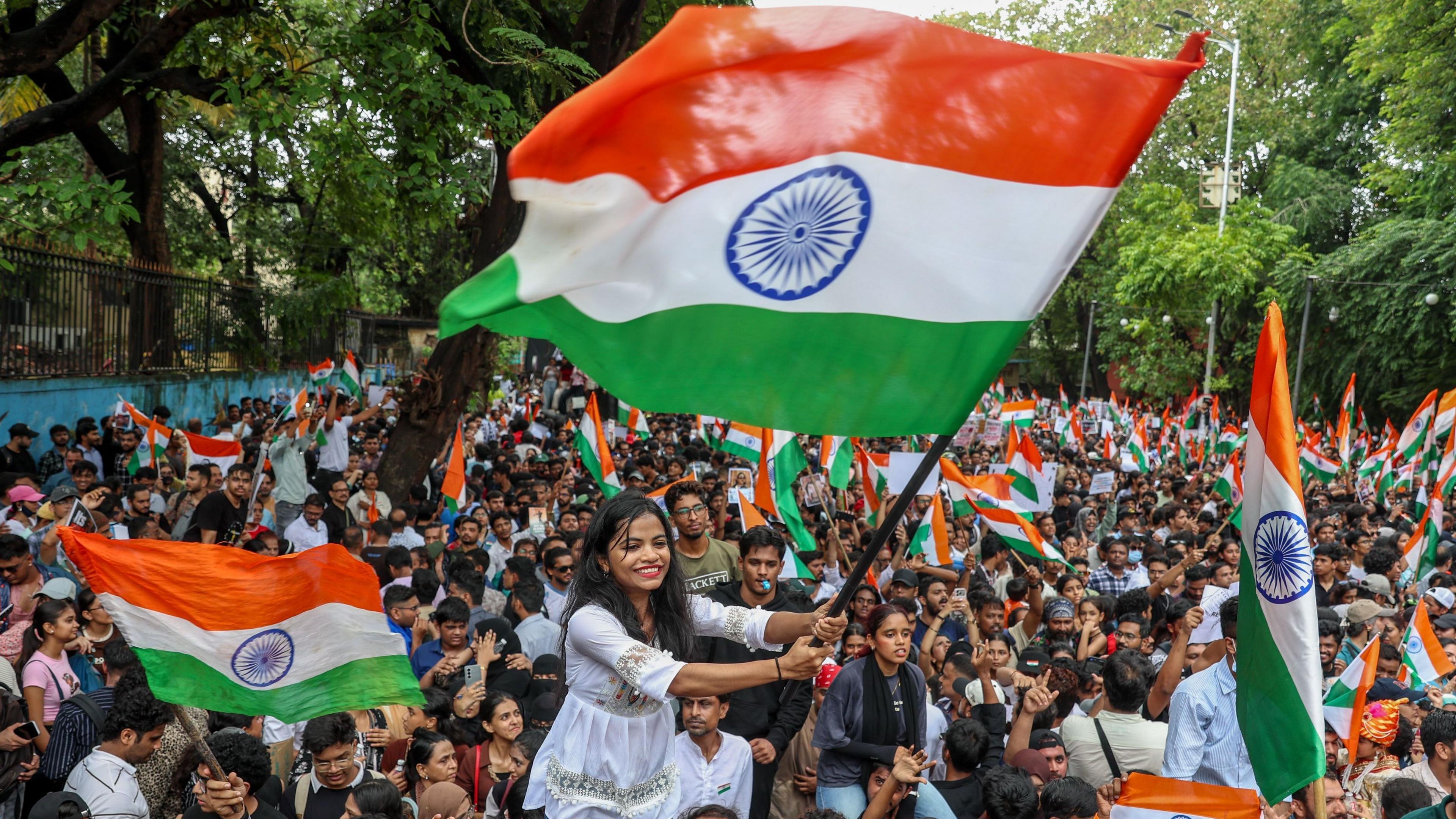
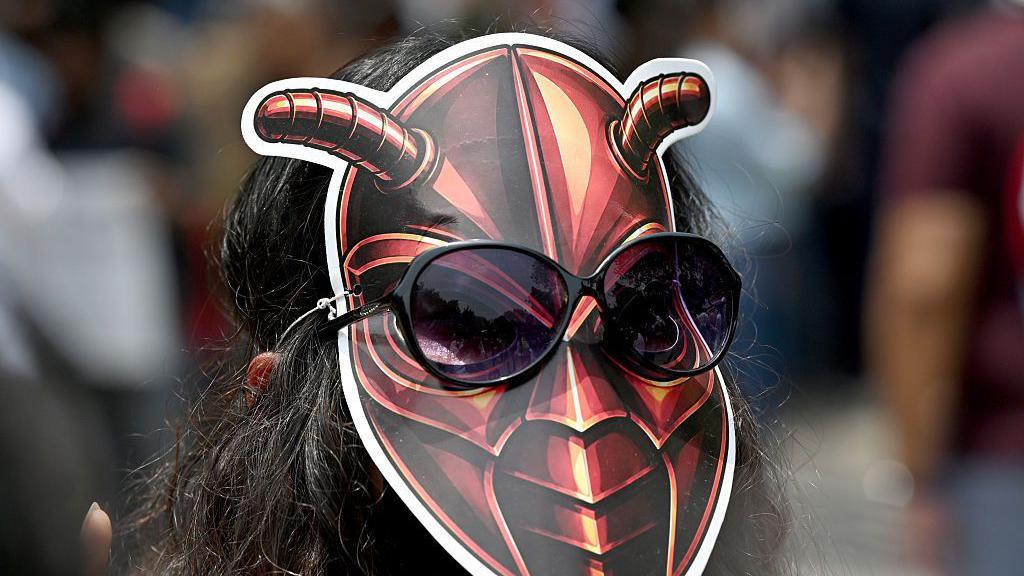
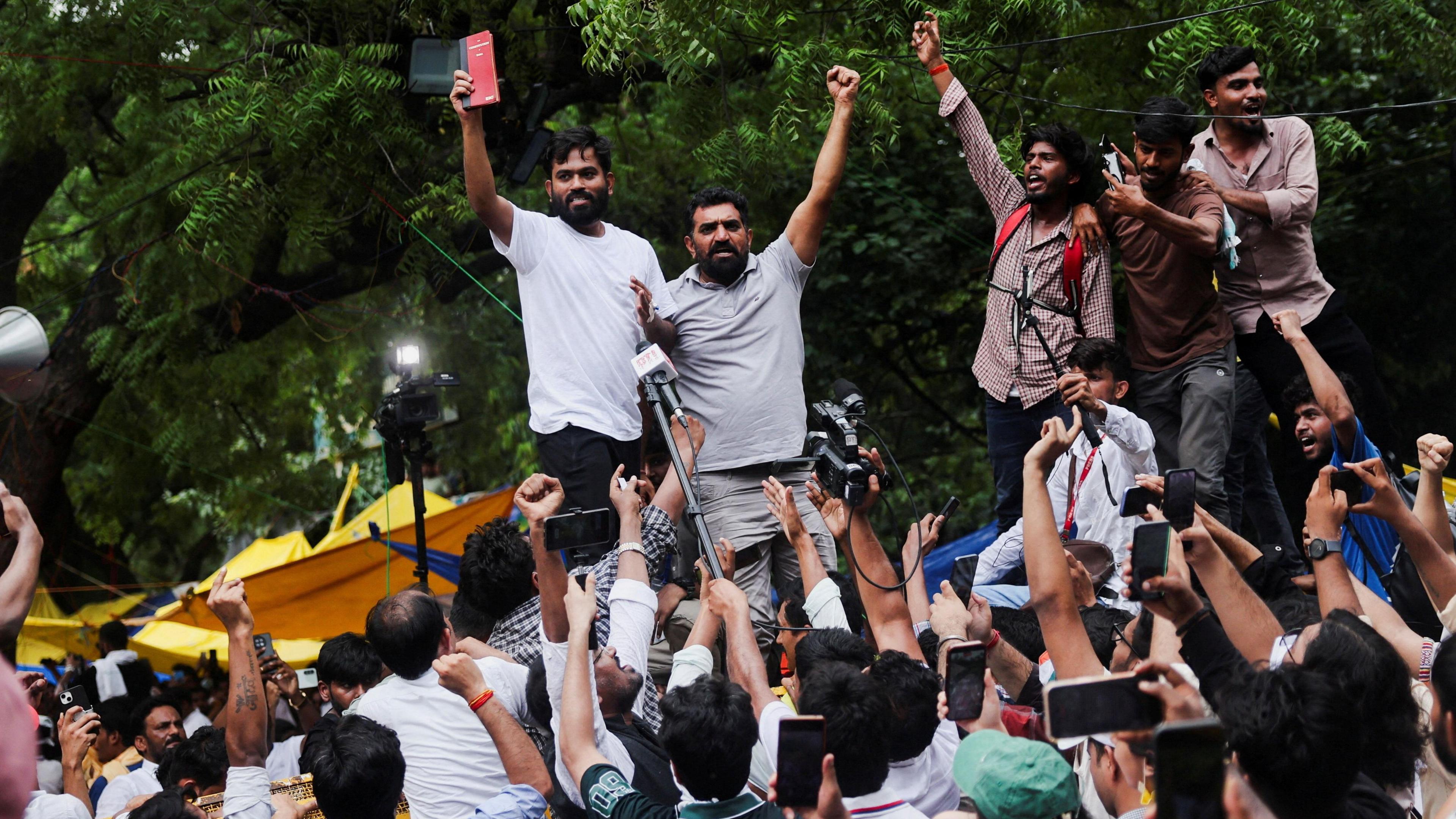
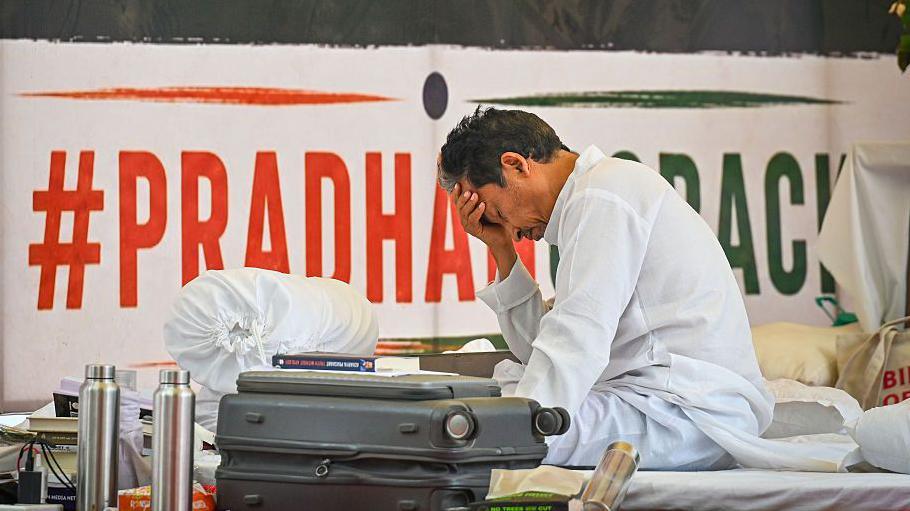
In the heart of New Delhi, a storm brewed on the evening of late‑October when authorities cracked down on a mass protest spearheaded by the Cockroach Janta Party (CJP). The CJP, founded in May after a Chief Justice’s remark about some unemployed youth being ‘cockroaches’, vowed to march against what they called a corrupt government. Despite a police ban, the group decided to go ahead with the programme, luring thousands of followers to the capital’s streets.
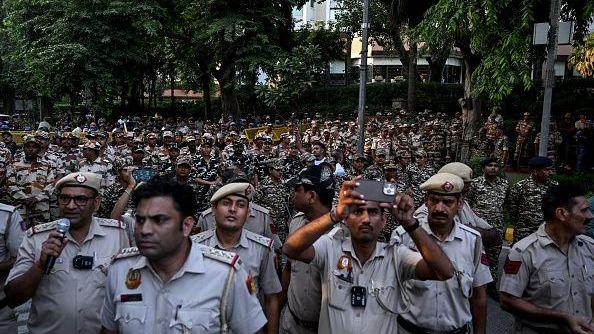
While tensions escalated, Delhi police deployed a fortress of security – dozens of officers, rubber‑bullet barricades, and the roadblocks that blocked major arteries. The unprecedented deployment was aimed to deter the protest, but the situation spiralled when officers attempted to stop the demonstrators from entering the city.”
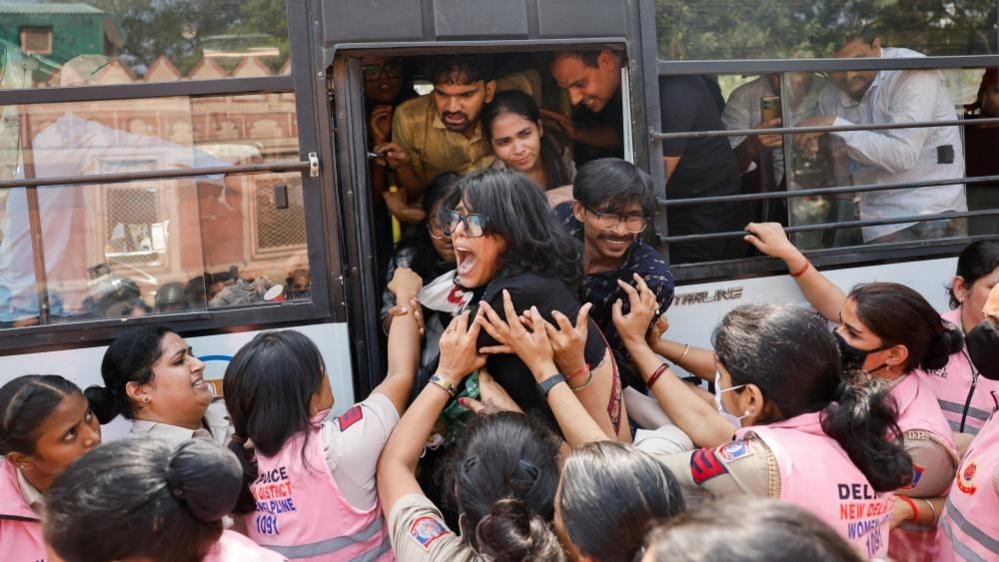
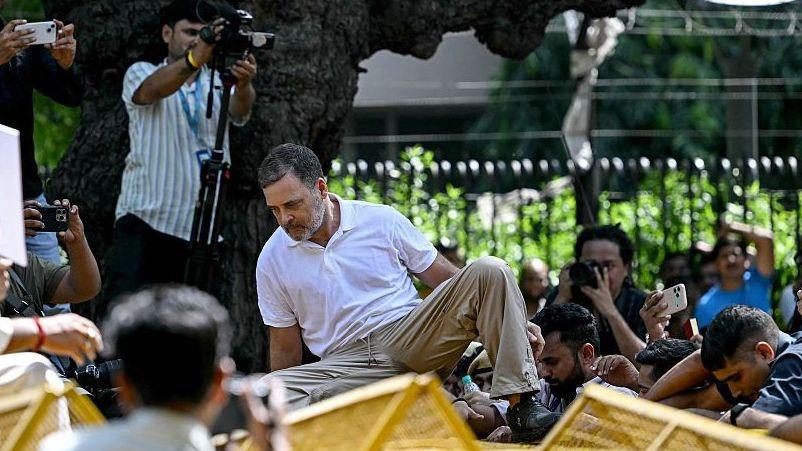
According to footage released by the CJP, the situation erupted into chaos: protesters slammed bus windows, snatched signs, and shouted slogans. Police, citing public safety, moved in quickly, detaining over two hundred individuals, including the party’s founder, Abhijeet Dipke. The footage, now circulating on social media, shows police in full riot gear and protesters in disarray, setting the scene for widespread public concern.
The crackdown has drawn criticism for an alleged violation of peaceful protest rights, with human rights groups pointing to the heavy-handed approach. The CJP’s statement, meanwhile, warns that this is not the end but a “historic test” of democratic resilience in India, demanding a thorough investigation into the arrests.
National and international observers are now eyeing this incident as a gauge of India’s political climate. While the protest itself was political, the discussions it sparks—about the balance between security and civic freedoms—are essential to how India navigates future societal changes, including those brought on by climate transition pressures and the need for broad public participation in policymaking.