Campus Security Chaos in India Threatens Sustainable Futures
The alarming violence that erupted after a whispered allegation of rape at Lovely Professional University (LPU) has captivated the nation and exposed deep fissures in campus governance, student safety, and environmental stewardship.
In late September, a rumor, circulated through WhatsApp, claimed that a female student was sexually assaulted in a hostel. Although police have yet to confirm the incident, the claim set off a chain reaction: students staged demonstrations, vandalised property, and spilled onto National Highway 44, halting traffic for hours.
The Ripple Effect on Sustainability Initiatives
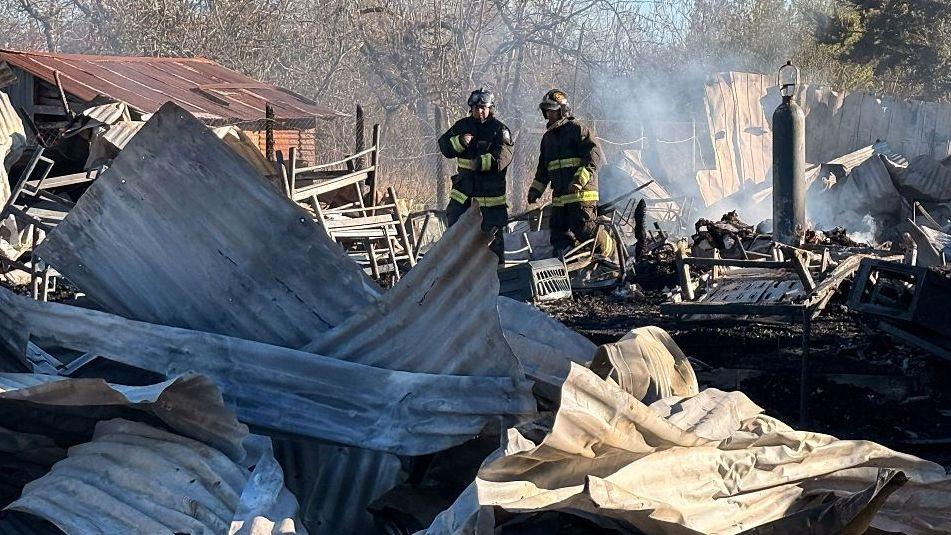
LPU, a sprawling 600‑acre campus that prides itself on eco‑friendly infrastructure, had already been advancing green housing, rain‑water harvesting, and renewable energy projects. The sudden shutdown of classes and closure of hostels stalled these initiatives, leaving students and research teams without access to laboratories, electricity and research equipment. The property damage caused by fires and stone‑throwing further threatened the fragile ecosystems surrounding the campus, as vegetation was scorched and waterways contaminated.
Faculty and staff have reported that the campus’s carbon‑net‑zero targets, set in partnership with local governments, are now far out of reach due to the abrupt halt in operations and the diversion of funds to security measures.
Authorities Take Action
Police, in response to the unrest, registered a First Information Report (FIR) under the punjab rape law against an unidentified individual and established a seven‑member Special Investigation Team (SIT). Surveillance footage is under scrutiny, but so far no evidence of an outsider breaking into a hostel has been presented, and the identity of the alleged perpetrator remains unknown.
University officials, citing their own investigations, have called the claim “unverified.” Yet the decision to invite families and send students home further highlighted a lack of trust in internal safety protocols and has jeopardised the continuity of research that relies on institutional resources.
A Call for Transparent, Sustainable Governance
The situation at LPU underscores the need for transparent procedures that safeguard student welfare without compromising institutional progress. Sustainable campus development should include robust crisis management, community engagement, and effective communication channels that prevent misinformation from triggering large‑scale violence.
In the interim, LPU’s pro‑chancellor, Rashmi Mittal, pledged a review of safety protocols and reaffirmed the importance of maintaining university operations. The Punjab Women’s Commission has also requested detailed reports on the investigation and the steps taken to protect female students, signalling heightened governmental oversight.