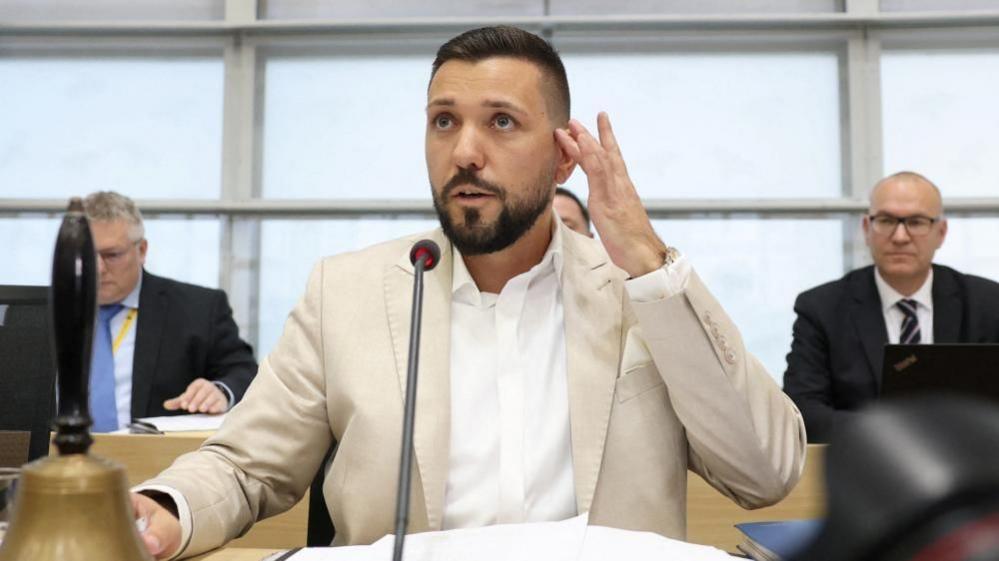
Saxony‑Anhalt’s Far‑Right Speaker Raises Climate Governance Concerns
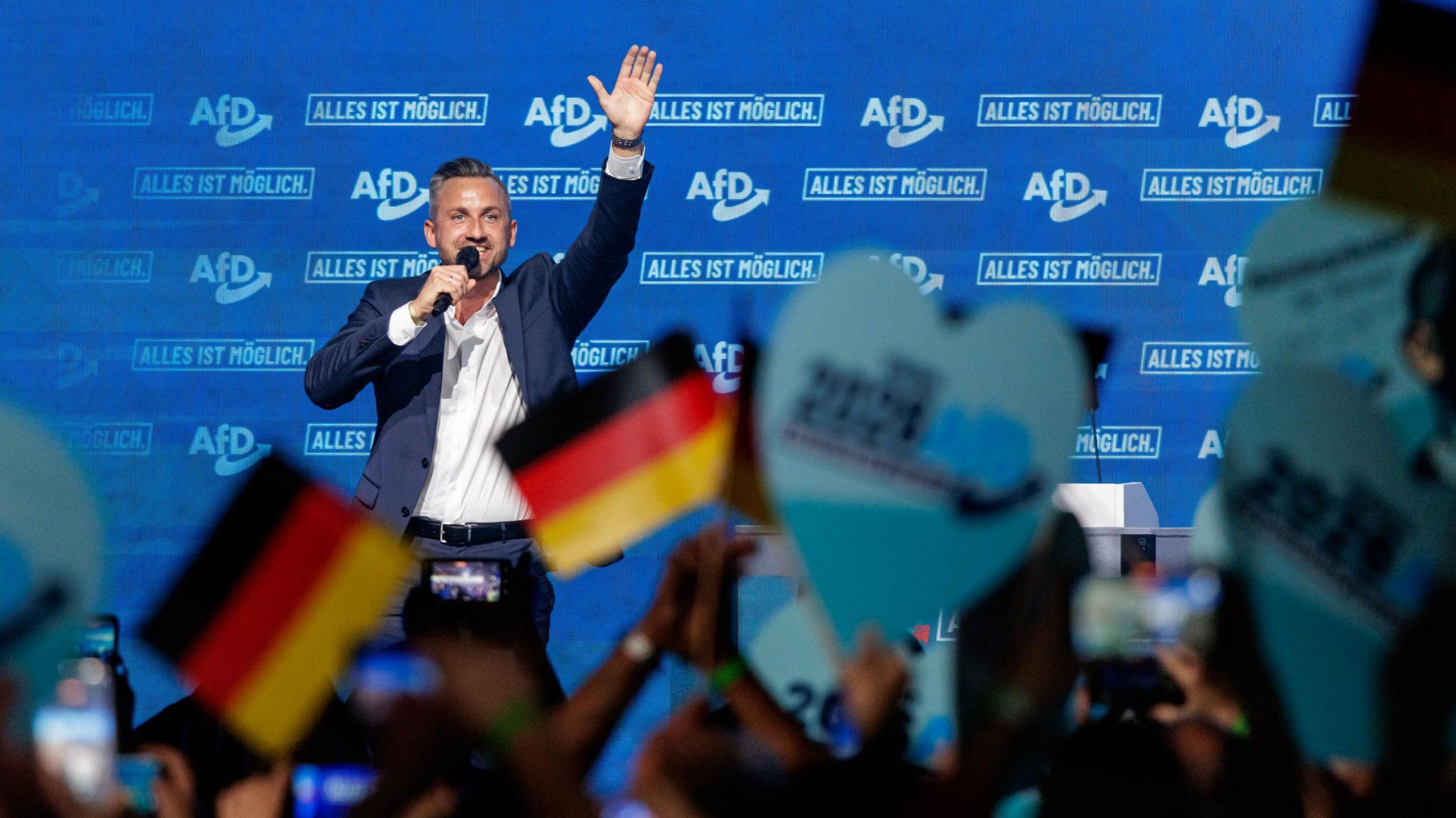
In a decisive shift for German politics, the Alternative for Germany party has won the chair of the Saxony‑Anhalt regional parliament. The upset election, held just a month after the AfD’s strong performance in the state vote, highlighted growing frustration with the current political order.
Tobias Rausch, a 35‑year‑old estate agent and long‑time AfD member, secured the post with backing from nine MPs of other parties, while the centre‑left Greens publicly condemned the decision as a watershed moment that has “crossed the line.” Protesters in Magdeburg held signs reading “Never again is now,” underscoring the urgency with which citizens fear the ramifications of far‑right governance.
The AfD’s political platform is widely regarded as anti‑environmental. The party has consistently opposed state‑funded renewable‑energy projects, favours a return to coal and has resisted climate‑action legislation promoted by Chancellor Merz’s CDU. As a result, many environmental groups believe the speaker’s role could impede the state’s compliance with Germany’s target to cut emissions by 55 % by 2030, and could stall new green‑innovation programmes that require parliamentary approval.
AfD’s claim to have moved from the fringe of Parliament to a central role echoes a broader trend across Europe, where right‑wing parties are gaining leverage in regional legislatures. Analysts warn that the shift could limit the passage of laws encouraging electric‑vehicle charging infrastructure, carbon‑pricing mechanisms and industrial decarbonisation targets, all of which are critical to meeting Paris Agreement commitments.

While the AfD asserts its policies are aimed at protecting local communities, critics point out that this stance runs counter to the very climate health that structures sustainable communities. The regional Greens remain determined to ensure that environmental regulations are not watered down, and they have announced plans to push for a “non‑partisan candidate” for a future state premier to preserve climate goals.
The election marks only one of many instances in recent years where rising populist support threatens to derail climate‑friendly legislation. As Germany’s policy environment re‑shapes itself, the intersection of politics and climate will increasingly dictate the trajectory of sustainable futures.