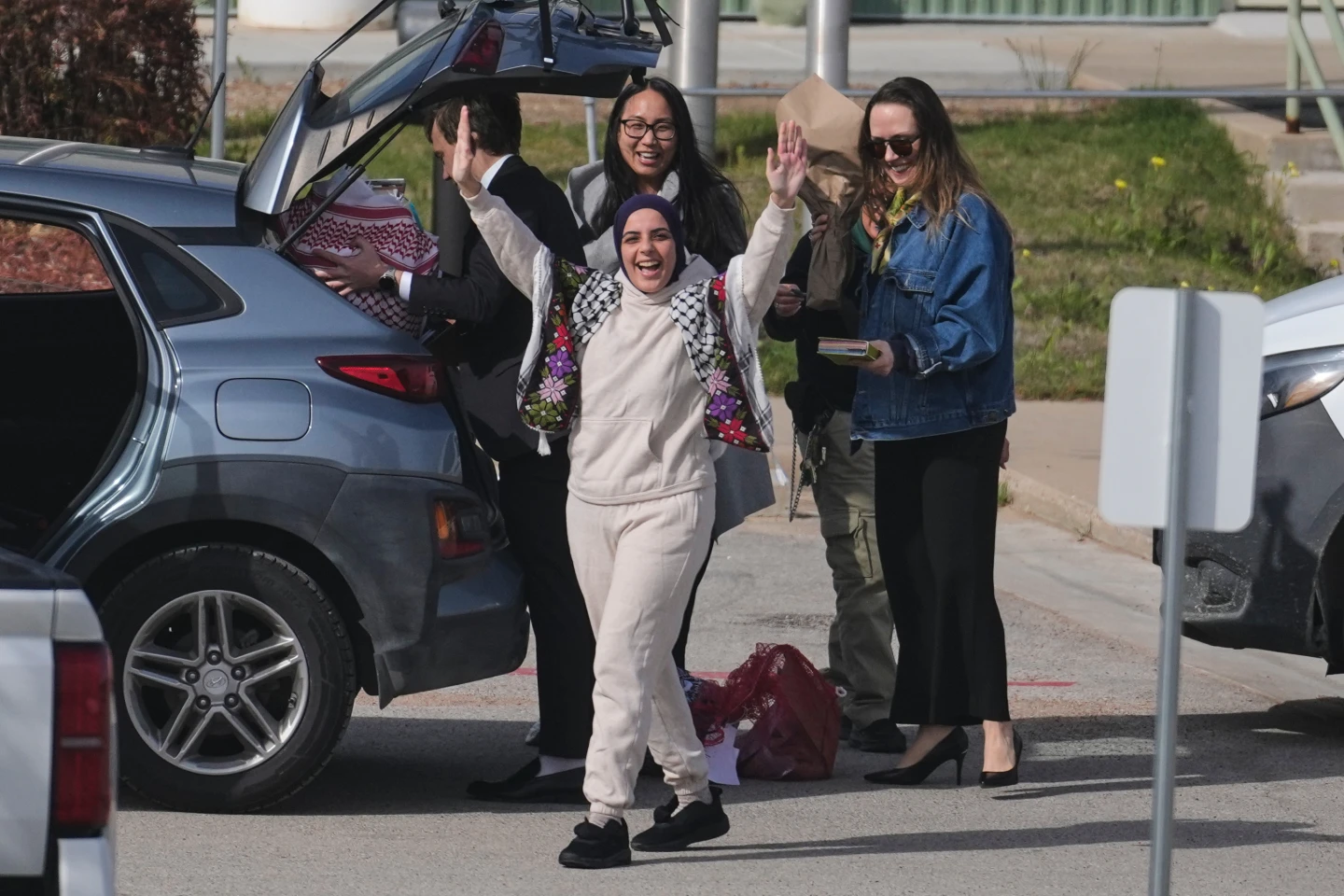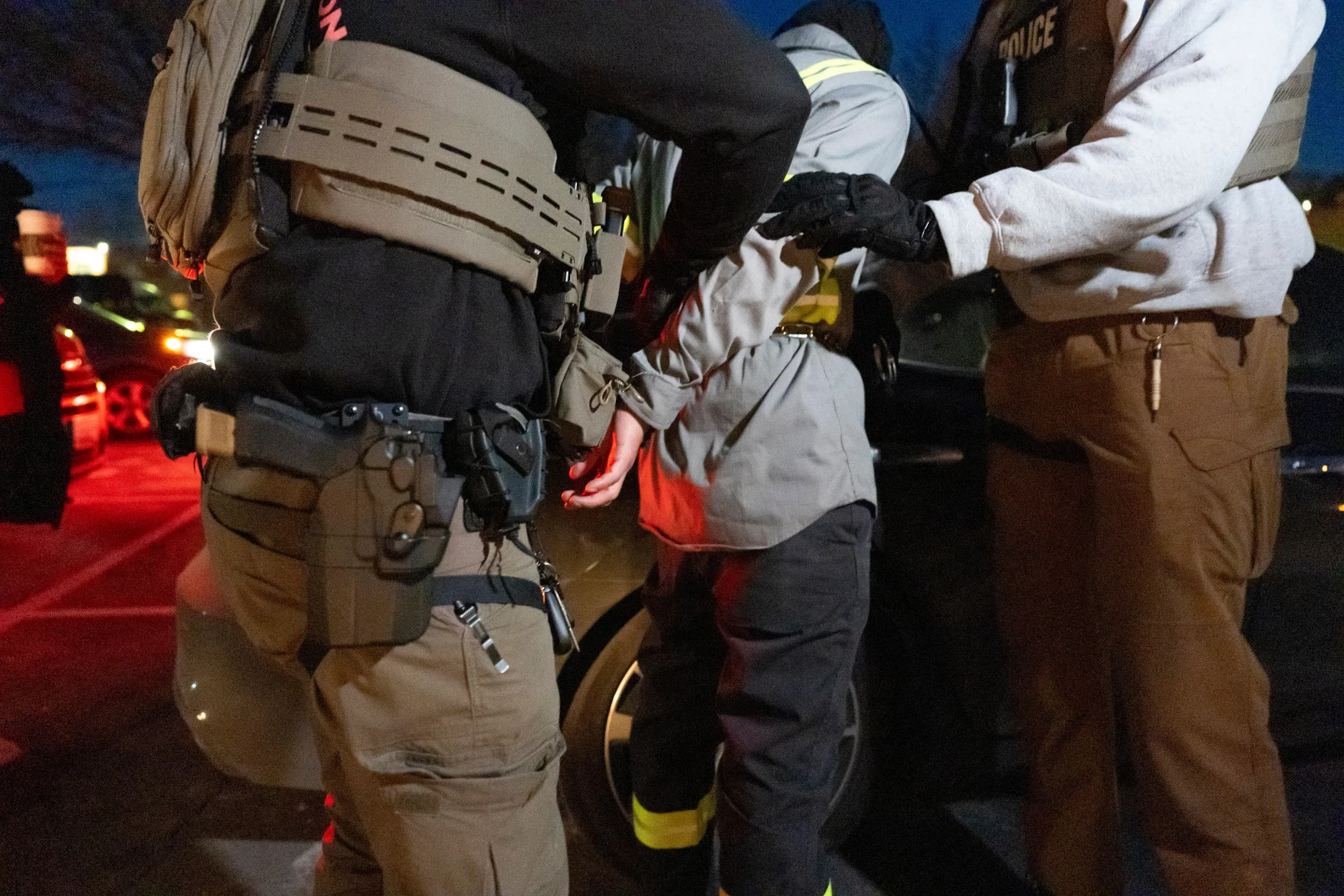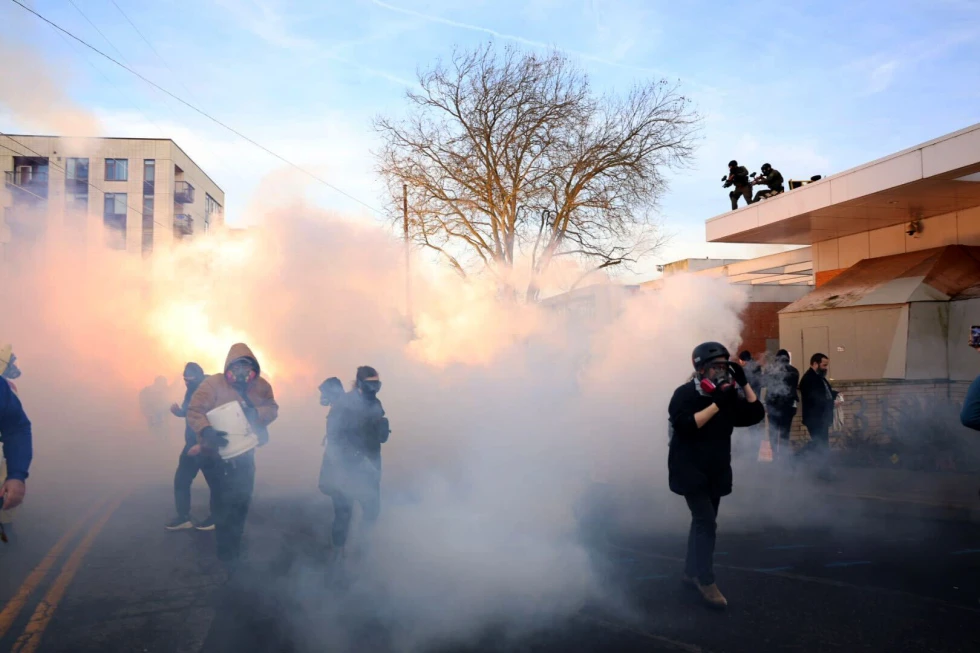
Across the United States, recipients of Deferred Action for Childhood Arrivals (DACA) are increasingly facing arrests and deportation risks as the Trump administration enforces new immigration policies. A notable case is that of Yaakub Vijandre, a DACA recipient and pro-Palestinian activist from the Dallas area, who was apprehended in October. Federal agents detained Vijandre outside his home, leveraging social media posts as justification for his arrest.
The DACA program, established during the Obama administration, aims to protect individuals brought to the U.S. as children from deportation, allowing them to work legally. However, recent enforcement measures reflect a shift in how DACA recipients are treated, particularly as scrutiny of social media use becomes more prevalent.
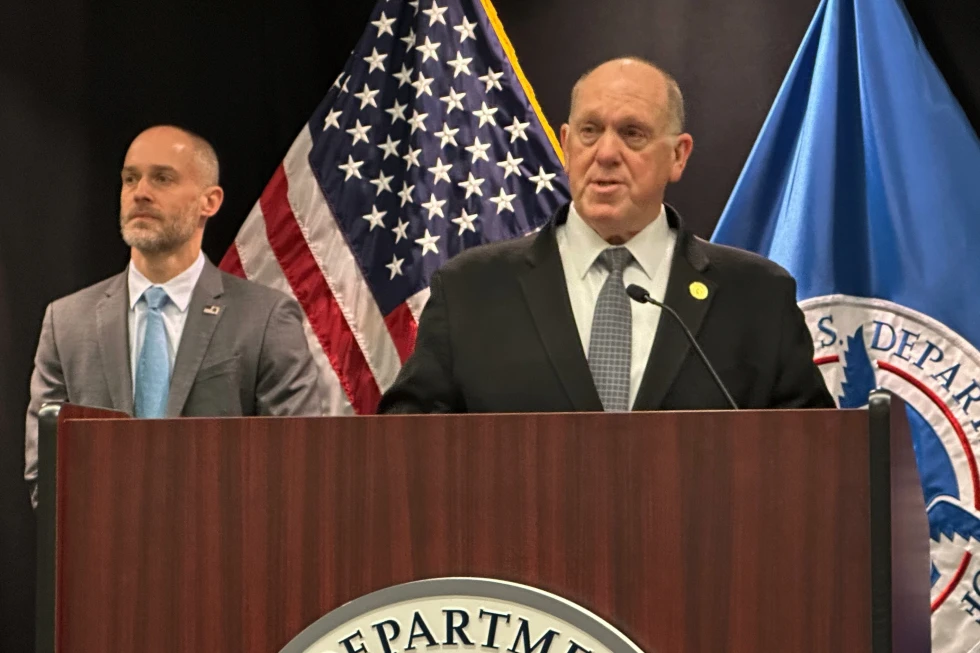
Assistant Secretary of Homeland Security, Tricia McLaughlin, clarified that DACA does not guarantee lifelong protection from deportation, asserting that individuals could lose their status due to various reasons, including any criminal activity. Vijandre's arrest is part of a larger trend that has reportedly led to at least 20 DACA recipients detained this year, indicating an alarming escalation in immigration enforcement.
Legal defenders assert that these actions appear to target activists, raising concerns about protected speech and civil liberties. Vijandre's attorney argues that his social media activities fall under free speech protections and emphasizes the government's lack of specific evidence linking his case to criminal behavior.
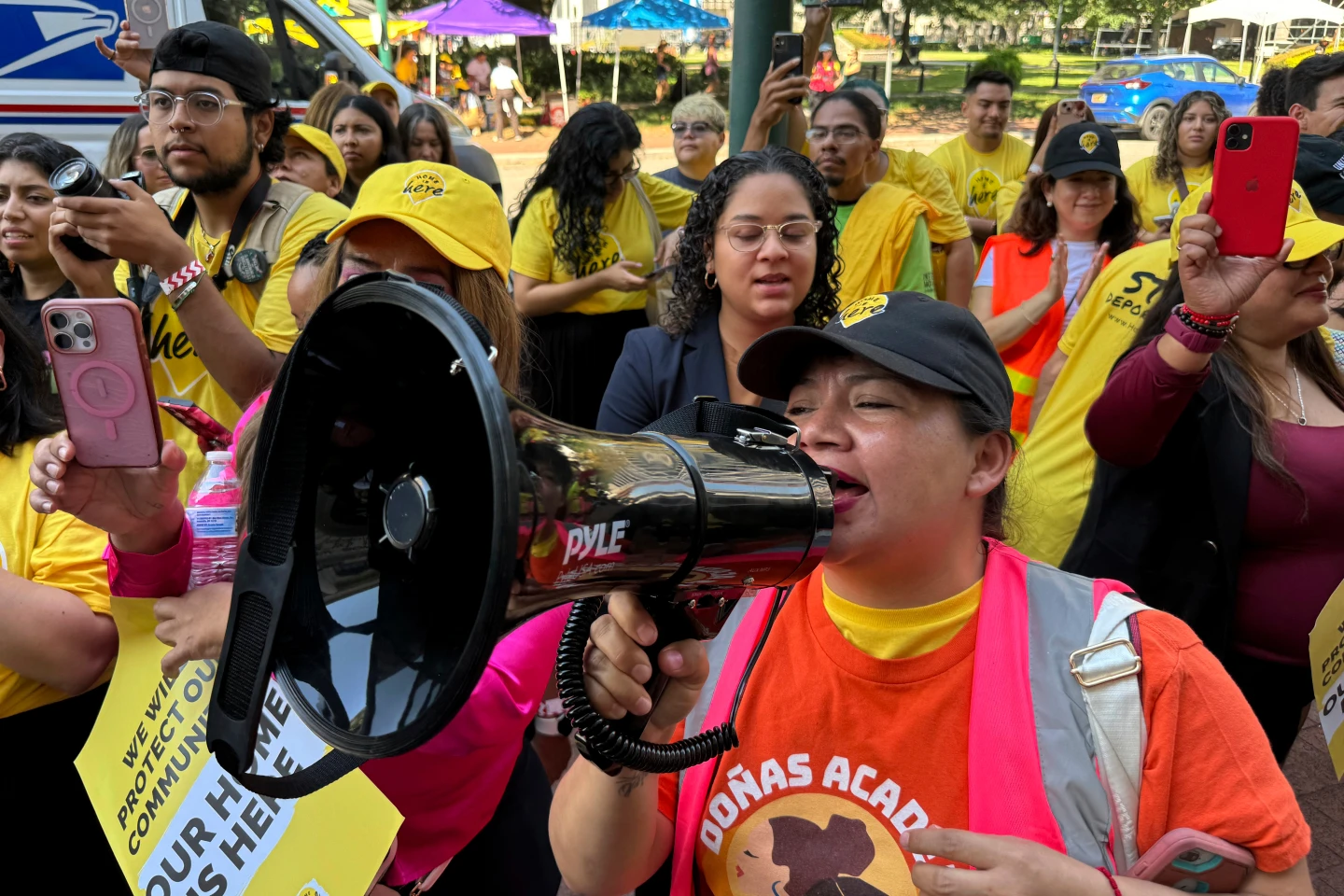
Several DACA recipients, including Catalina “Xóchitl” Santiago, have experienced similar detentions, which have raised questions regarding the legality and motivations behind the government's actions. Advocates like Juliana Macedo do Nascimento from United We Dream have voiced that while an outright termination of DACA may not be the aim, the gradual restrictions are ingraining a culture of fear among recipients.
The shifting landscape of immigration policy under the Trump administration is marked by heightened enforcement and social media vetting, leaving DACA recipients vulnerable and questioning their future in the only country they may know as home.