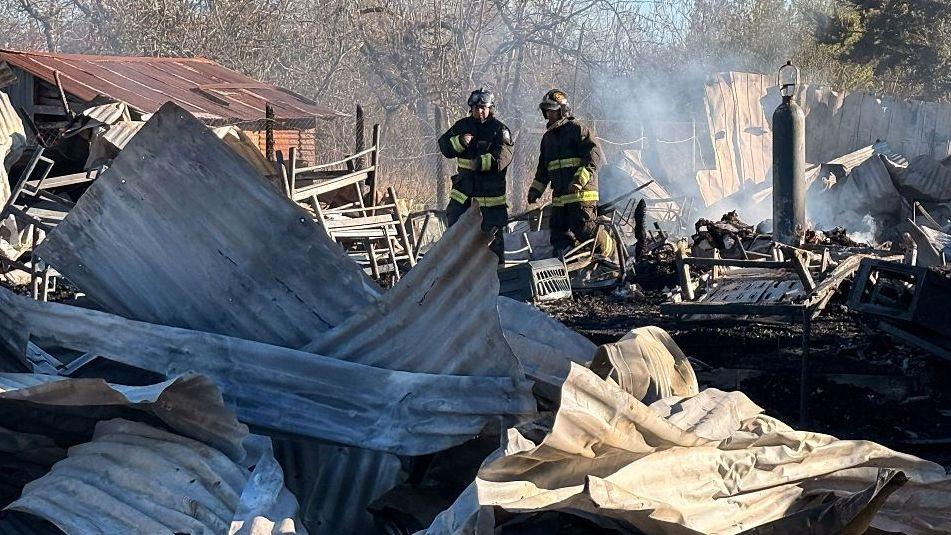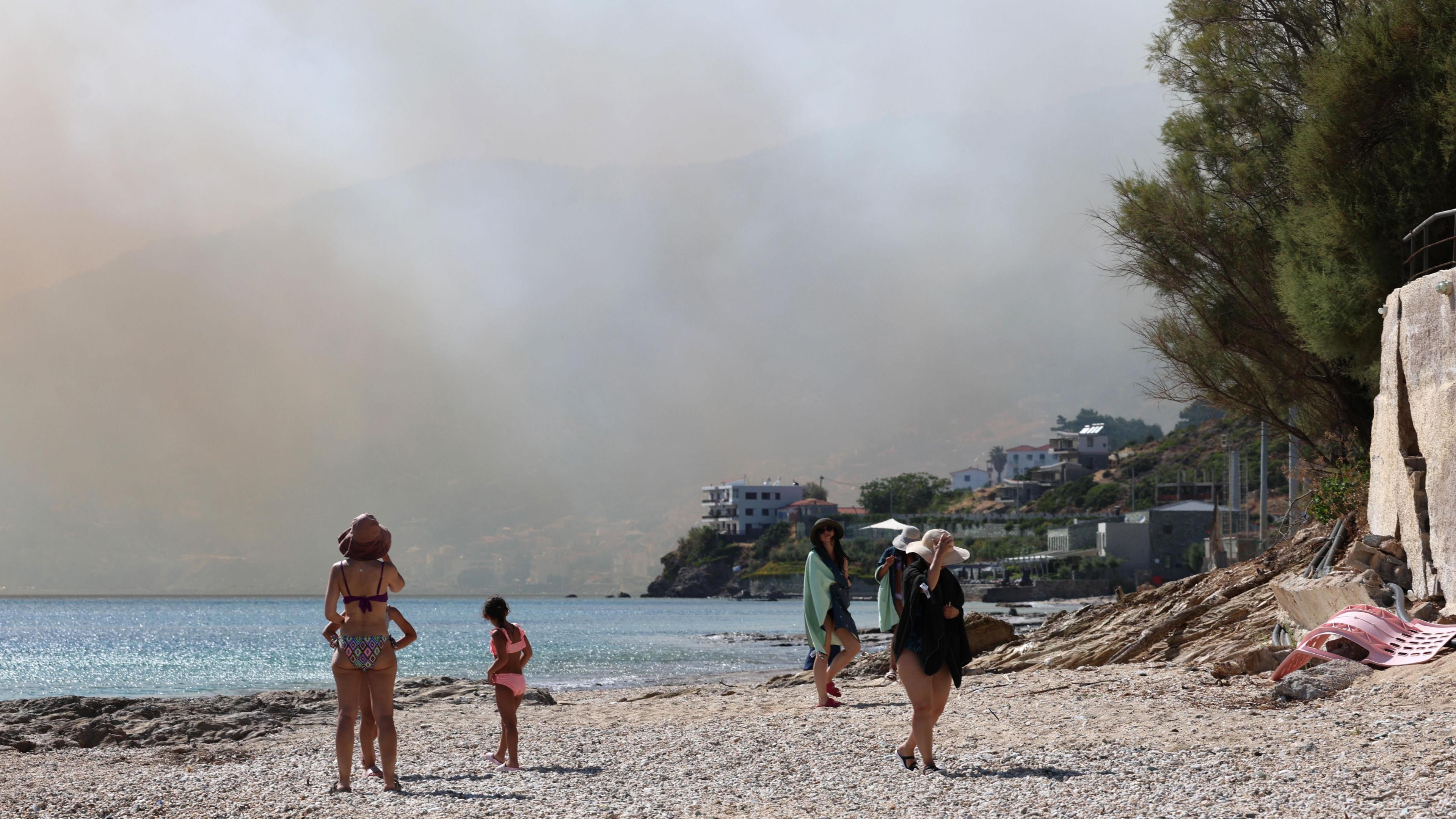
The eastern Mediterranean island of Crete is witnessing a wildfire on a scale that has forced the evacuation of thousands of residents and tourists alike. In the town of Rethymno, a blaze that broke out on Wednesday has already destroyed homes and agricultural land, leaving the fire front more than 15 km wide and raging beyond control.
A total of around 8,000 people were moved from homes in Rethymno overnight as gale‑force winds reached 125 km h‑1, turning the wildfire into a harrowing “dark day” for the region. Firefighters were forced to abandon their boilers and stages after three of their comrades died: Emmanouil Stratidakis (58), Pantelis Diamantakis (25), and another firefighter near the town of Gytheio in the Peloponnese.
The Greek authorities are preparing temporary shelters, with provisions set aside not only for locals but also for the island’s booming tourism sector, which sees millions of visitors during July.
This event is part of a larger pattern across Europe, where fires are fueled by unprecedented temperatures—some soaring to 41 °C—and a depletion of water supplies. In neighboring Spain, a fire in the province of Ávila has become the country’s largest, while Portugal continues to struggle with related flames in Zamora and Valpaços.
These incidents underscore a growing need for policy responses that address both the prevention and mitigation of forest fires, as well as the broader effects of climate change. They also remind the global community that protecting the livelihoods and safety of millions depends on urgent action to reduce greenhouse gas emissions and to invest in resilient fire‑response infrastructure.