In brief
France’s Champagne region faced an unprecedented heatwave last summer, increasing sugar in grapes and prompting a temporary relaxation of the 13%-alcohol cap to 15% for the 2026 vintage. Only a small fraction of bottles will exceed the former limit. The harvest began early in August, a pattern predicted to become normal within 10–15 years as global warming progresses. Producers must balance taste and regulatory limits while consumers are increasingly favoring lower‑alcohol wines. The climate‑driven shifts underscore the growing fragility of both agriculture and the wine industry.
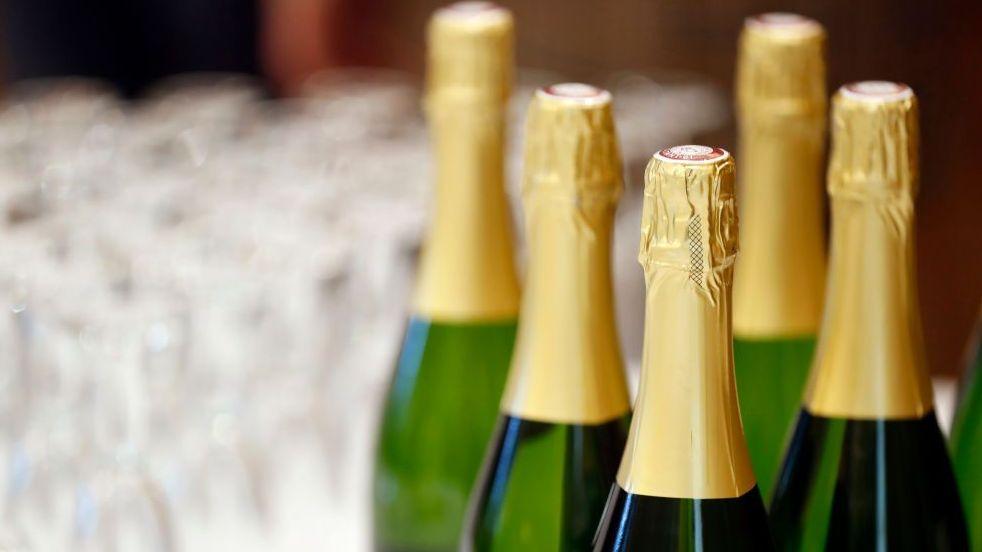
Champagne makers said they will temporarily lift the 13‑percent alcohol limit to 15%, a first for the region after this year’s scorching heatwave.
The extraordinary temperatures ripened grapes faster, driving up sugar and converting into extra alcohol during fermentation.
Industry officials say only a small tranche of bottles from the 2026 vintage will exceed the former ceiling, now permitted up to 15% for the season.
The harvest began in early August and stretched into September – the earliest ever recorded – marking a climate‑driven shift that experts predict could become the new norm in a decade or two.
Winemakers like Stéphane Vignon warn that weather swings will force adjustments in production, while wine‑columnist Jane Anson notes consumers are already leaning toward lower‑alcohol options, making the higher‑strength product less marketable.
The 2026 vintage won’t hit shelves until 2028, when the champagne must age at least 15 months.
France has already seen severe wildfires and floods, underlining that global warming is making heatwaves more frequent and intense – a trend mirrored across Europe and confirmed by the Copernicus climate service.