Cornell Rape Allegations: Online Siege and Legal Fallout
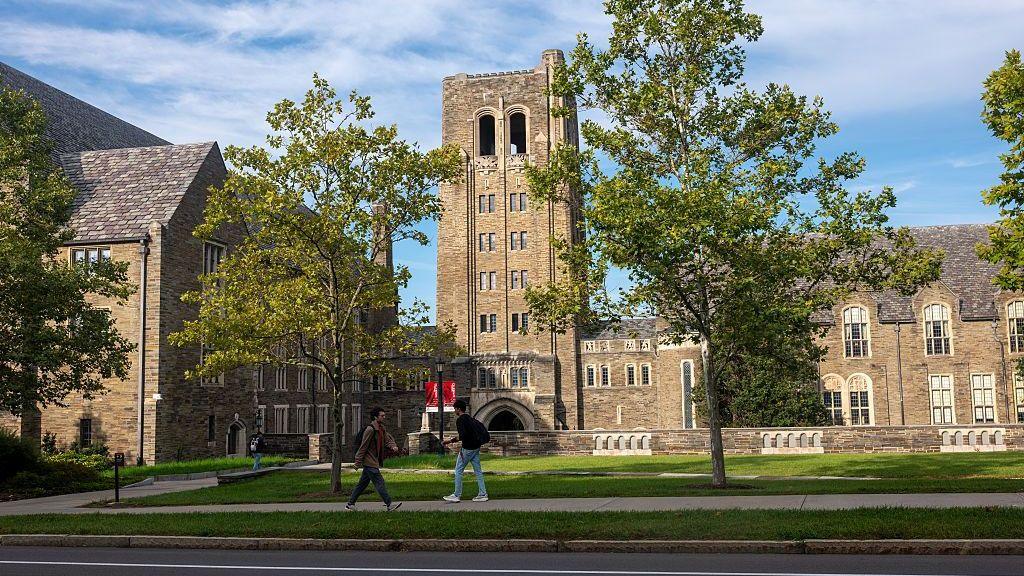
In a case that has moved from campus to national headlines, a 20‑year‑old woman—known only as Jane Doe—alleges she was raped inside a fraternity house in Ithaca, New York, in 2024. The accusation involves seven men and claims that Doe was “completely, grossly intoxicated” when she arrived at the party. According to her lawyer, Thomas Giuffra, the assault may have included the administration of ketamine before the alleged rape.
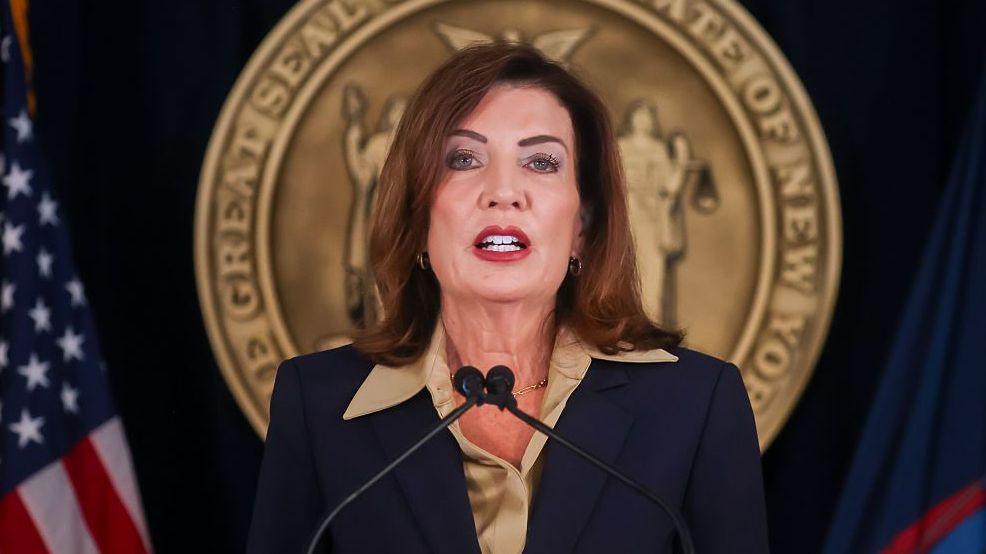
No criminal charges were initially filed, but the civil lawsuit that followed has reignited the possibility of a criminal investigation. With the case now<|reserved_200392|>ationally charged, Governor Kathy Hochul appointed Attorney General Letitia James to oversee the inquiry. Hochul said she had "lost faith" in the original county prosecutor, describing the situation as a series of institutional failures that left a young woman exposed and vulnerable.
Meanwhile, online communities have turned their attention to Doe’s anonymity. Social media sleuths are actively trying to identify her, while numerous users share videos under the banner “I am Jane Doe” in an attempt to protect her. The online siege has led to disastrous consequences for innocent people, including a U.S. Marine Corps sergeant who bears a matching name and received the lawsuit by mistake.
The case also underscores a broader legal controversy: state law currently makes it difficult to press rape charges if the alleged victim voluntarily consumes alcohol or drugs. Hochul has pledged to close this loophole, citing Doe’s experience as a cautionary tale.
The incident has prompted Cornell students to voice frustration at campus handling of the matter, and the dialogue has stretched beyond campus to the national stage as it raises questions about privacy, the right to protect allegations, and the limits of public scrutiny in sexual‑violence cases.