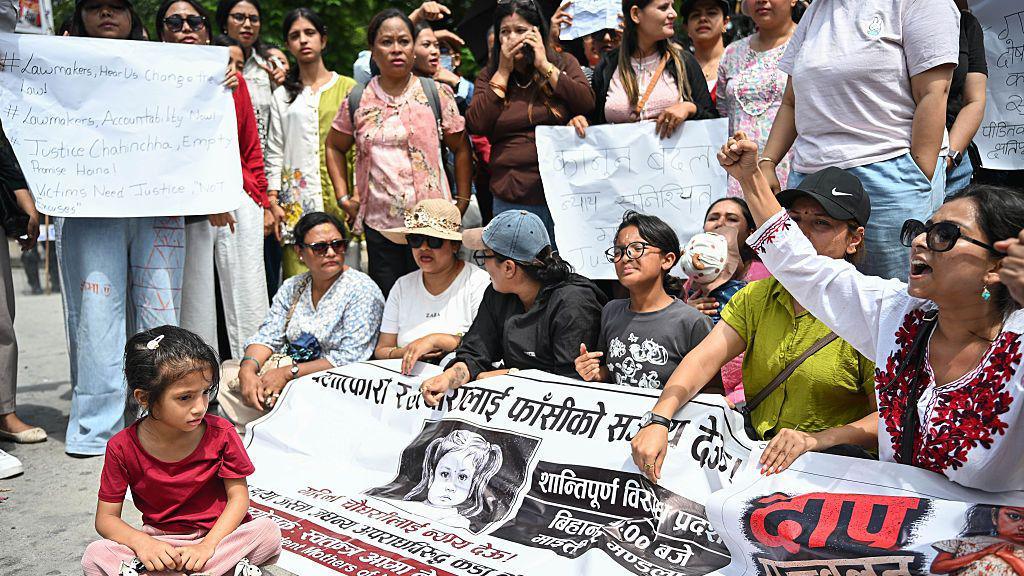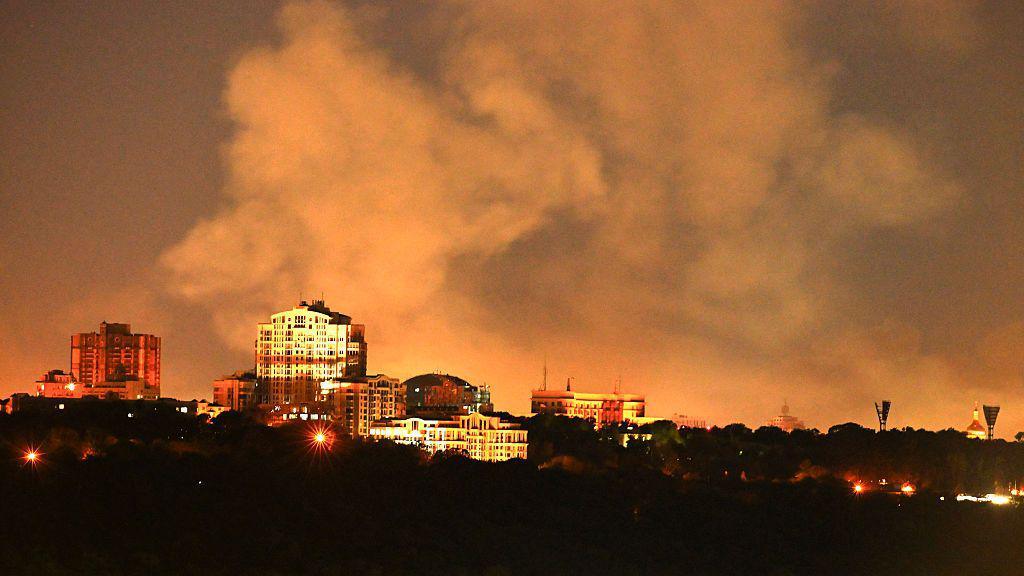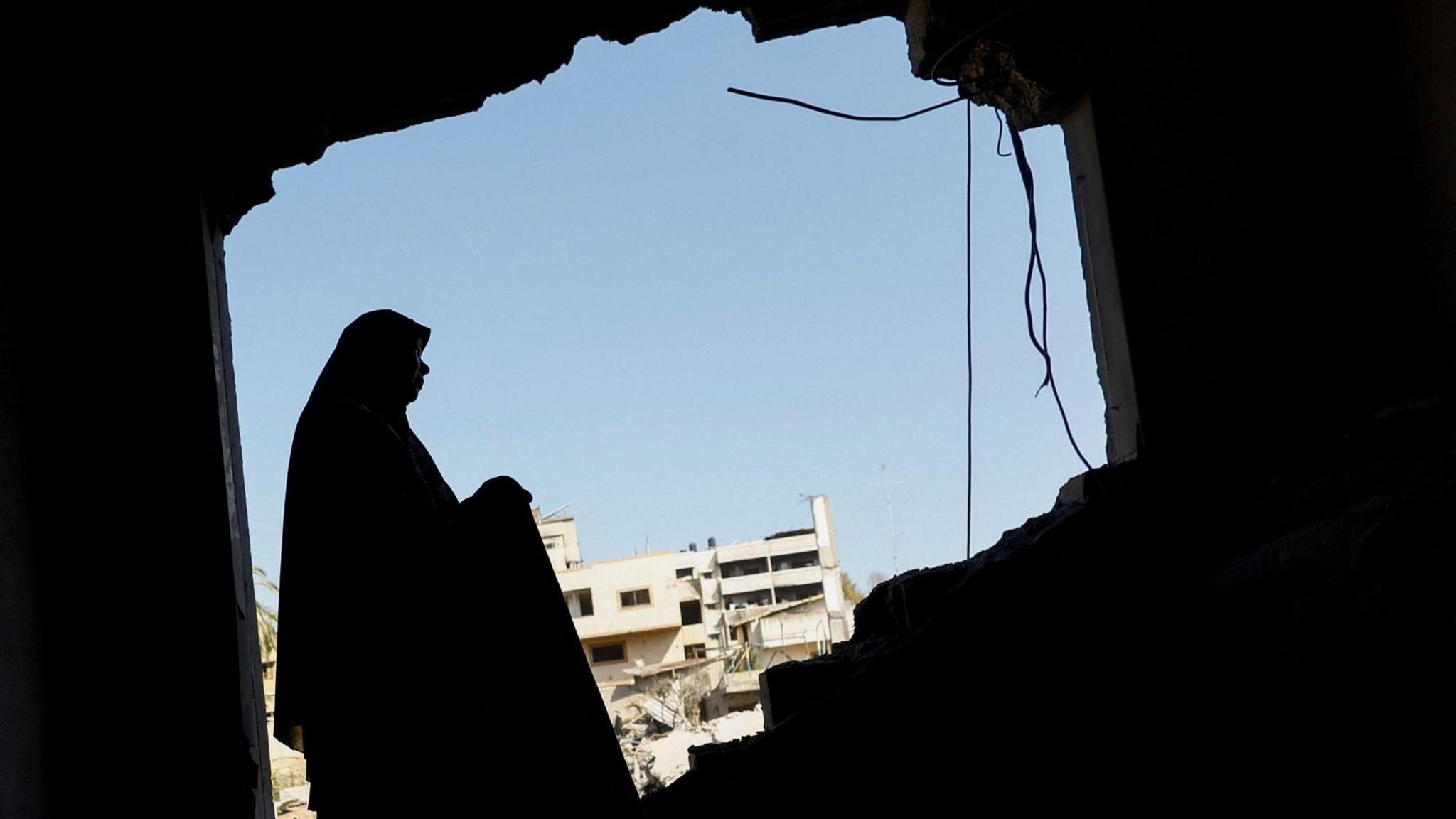
UNFPA data paints a grim picture of increasing violence against women and girls in the Gaza Strip, showing a sharp rise in early and forced marriages. The September 2026 report highlights an alarming 123% growth in child marriage incidents during the second quarter, underscoring how the war’s devastation erodes social protection mechanisms and drives families toward desperate measures.
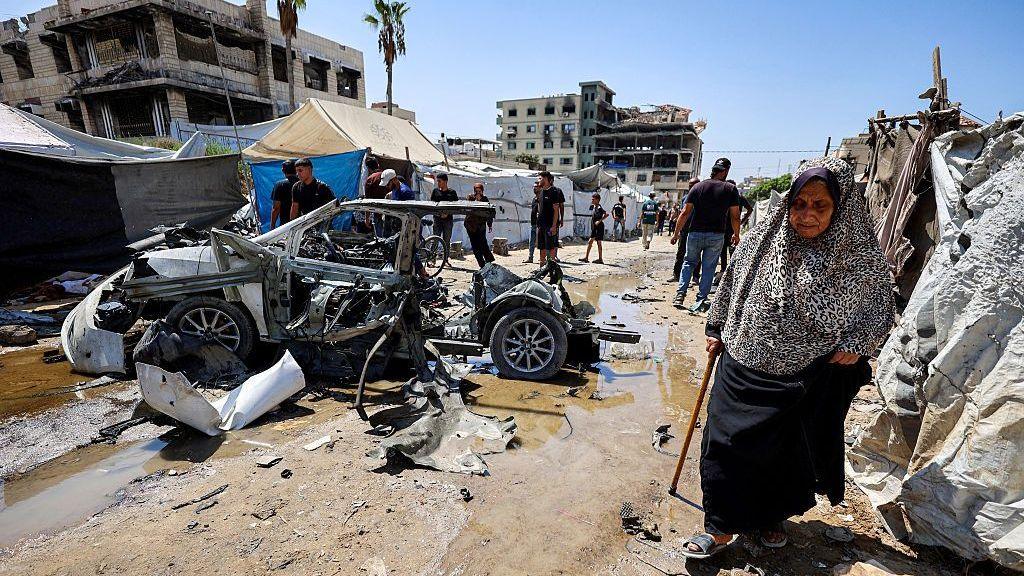
Witness accounts from displacement camps in Gaza City and Khan Younis reveal that rape survivors are often married to perpetrators to avoid shame, while some families exchange a young daughter’s marriage for essential food rations amid famine conditions. This correlates with the UNFPA’s broader observation of a 61% surge in reported sexual abuse and assault cases, now accounting for 2.7% of total GBV incidents during April‑June 2026.
Female heads of households number nearly a quarter of families, double pre‑war figures, indicating a shift in household dynamics as men are killed or missing. In many tent camps, women’s safety is compromised by inadequate sanitation, lack of lighting, and the absence of secure public spaces, which authorities say has increased nighttime vulnerability.
Civil society and UN agencies are calling for higher quality shelters, better latrine facilities, and intensified support for educational and health services to mitigate child marriage and reduce gender‑based violence. While Gaza’s overall situation remains dire with ongoing Israeli air strikes, communities seek future safety and normalcy for girls and women who have endured profound trauma and instability.