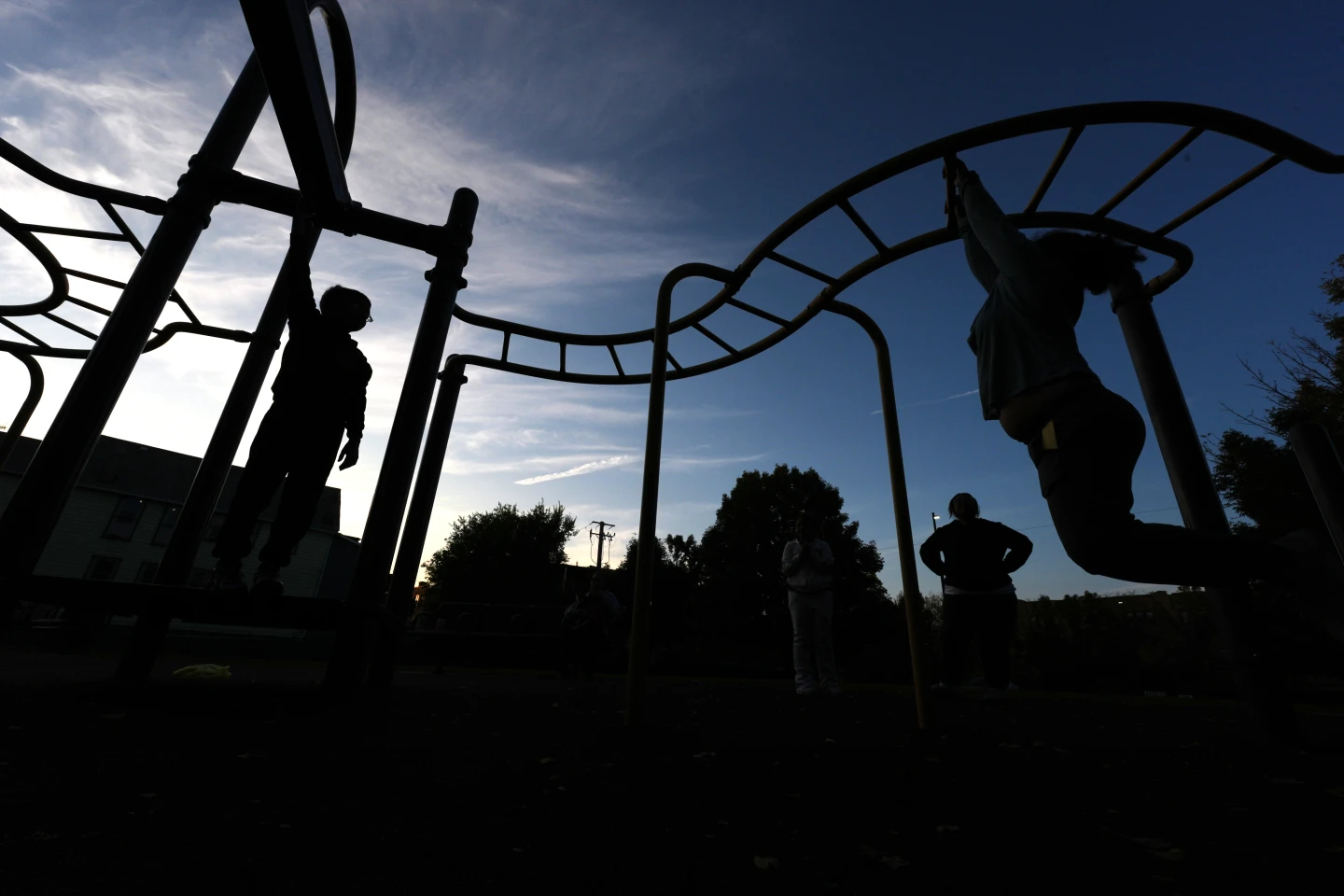
CHICAGO — In a startling incident earlier this month, federal immigration agents deployed tear gas on a busy street in Chicago, just outside Funston Elementary School, causing panic among parents, teachers, and students.
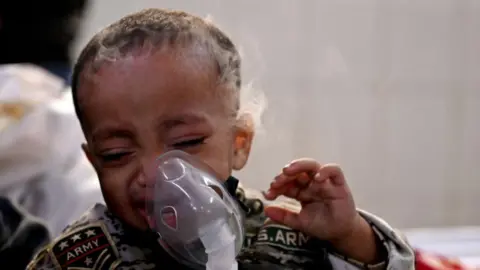
Amidst the confusion, teachers rushed to safeguard their students from the unfolding chaos, leaving families struggling with how to address the frightening events with vulnerable children.
Weeks after the raid, families—even those who might not be directly affected—express a lingering fear of further raids, highlighting how deeply such governmental actions penetrate daily life. The local community remains anxious, showcasing a pervasive atmosphere of fear arising from the Trump administration's aggressive immigration enforcement initiatives.
Why Did Agents Deploy Tear Gas?
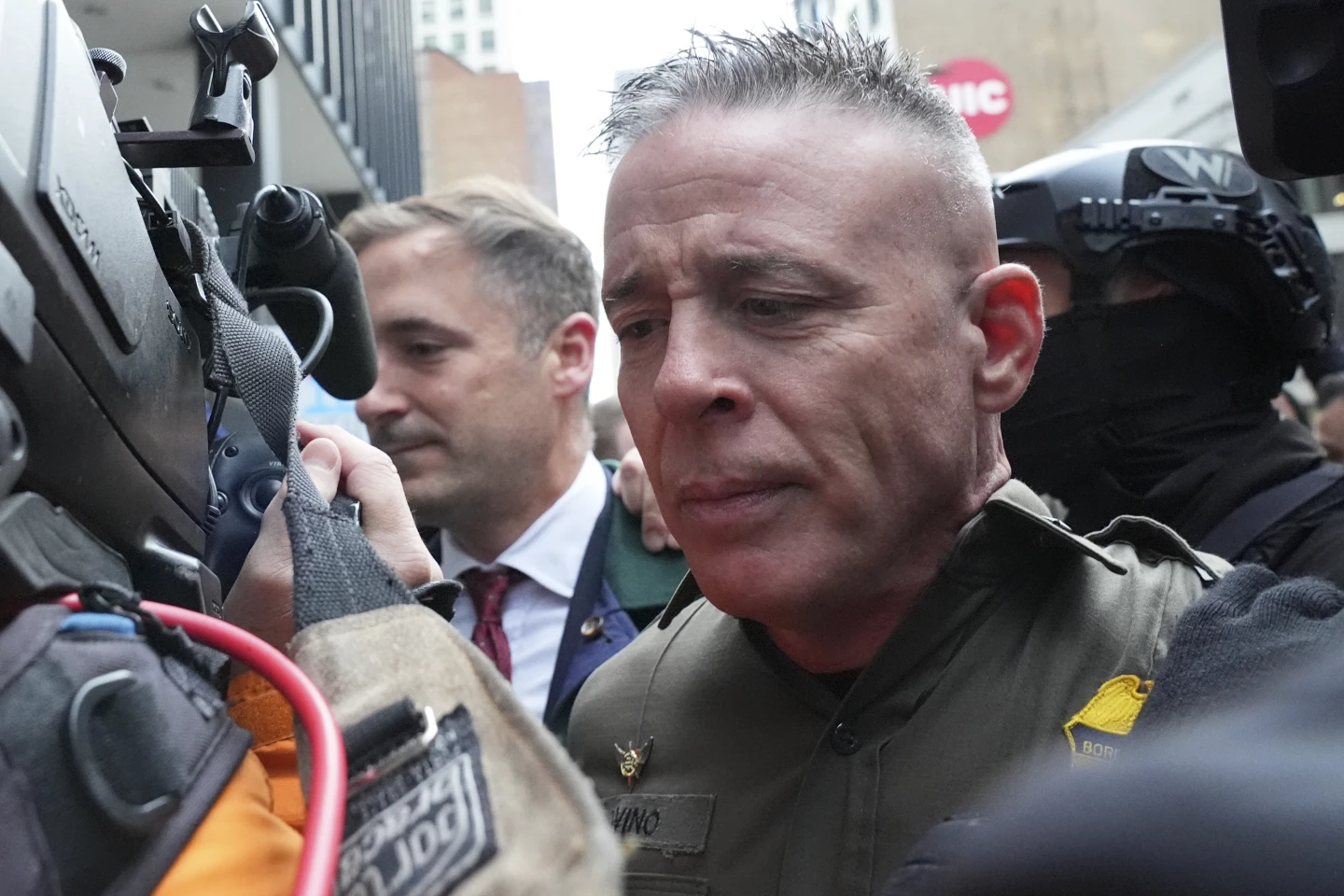
The Department of Homeland Security clarified that agents resorted to tear gas during a targeted operation, which was met with protests. Dubbed 'Operation Midway Blitz', the crackdown involved armed agents patrolling neighborhoods, alarming local residents.
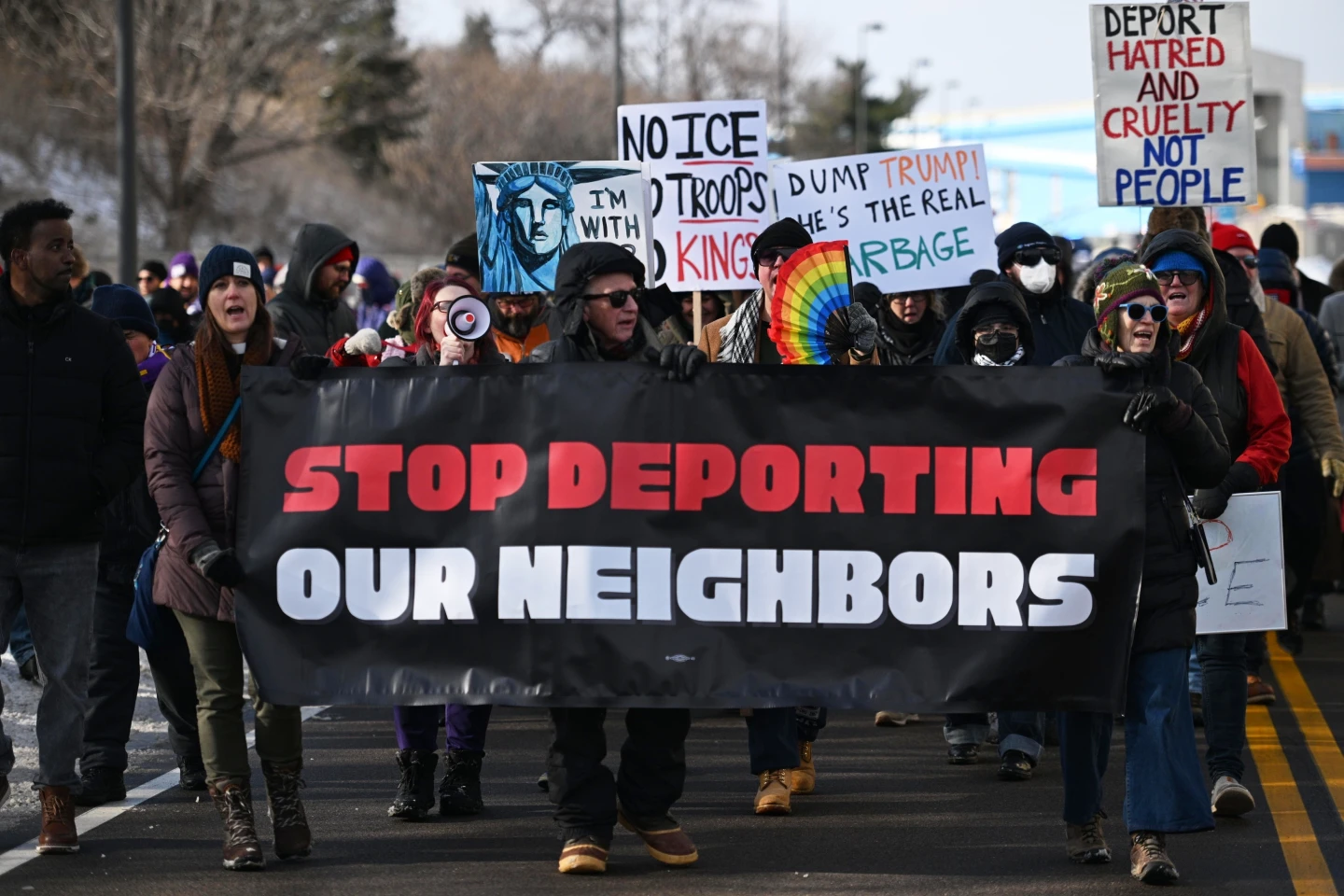
“Our brave officers are facing a surge of assaults against them,” a DHS spokesperson stated, reactive to the protests. However, community leaders argue that tactics such as the use of tear gas are wholly inappropriate in residential areas, especially near schools.
The Effects on the Community
Witnesses recount a scene of terror rather than the reassurance that educational institutions strive for. Teachers and community members have recognized the necessity to act in solidarity, pledging to protect children from both physical and psychological fallout of such confrontations.
Post-incident, teachers at Funston Elementary sought to allay the fears of their students but remained uncertain about what awaited them outside the school at the end of the day. Community response transformed; many residents who never identified as politically active participants found themselves engaging deeply to protect their neighborhood.
“You don’t mess with the kids. You don’t go near the schools,” said one teacher, reflecting a collective sentiment that transcends political boundaries in the face of such events.
As children navigate the trauma of the incident, teachers have provided reassurance, while community volunteers have committed to creating a vigilant presence during school commutes to ensure the safety of the youngest and most impressionable.
This solidarity highlights a community’s resilience, illustrating that in times of fear, unity can often emerge in the most unexpected forms. Even with the direct threat of immigration enforcement looming, the protective instinct of the community seeks to shield its most precious members—the children.