Ceuta’s Border Crisis: Hundreds Flood Over Walls
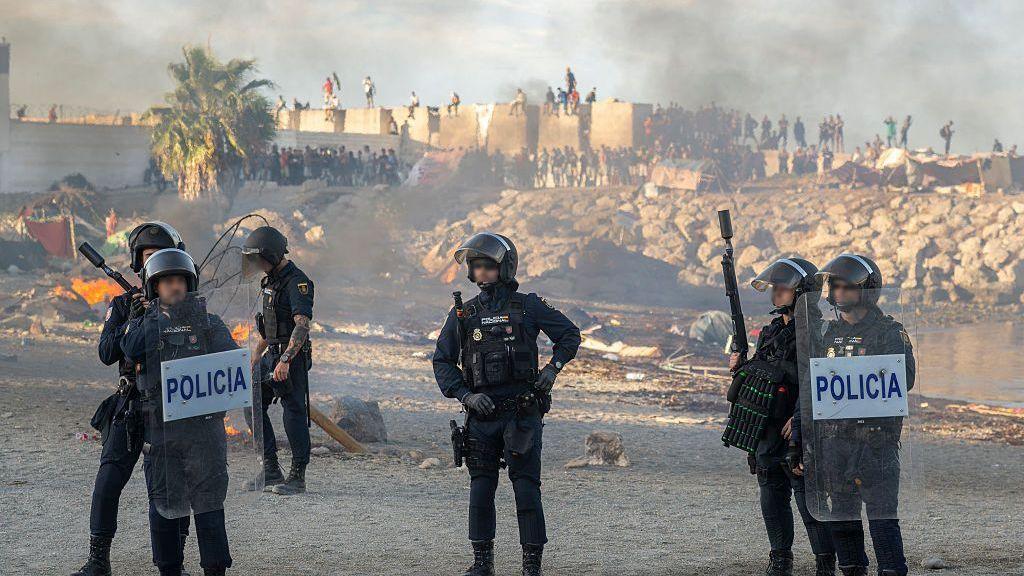
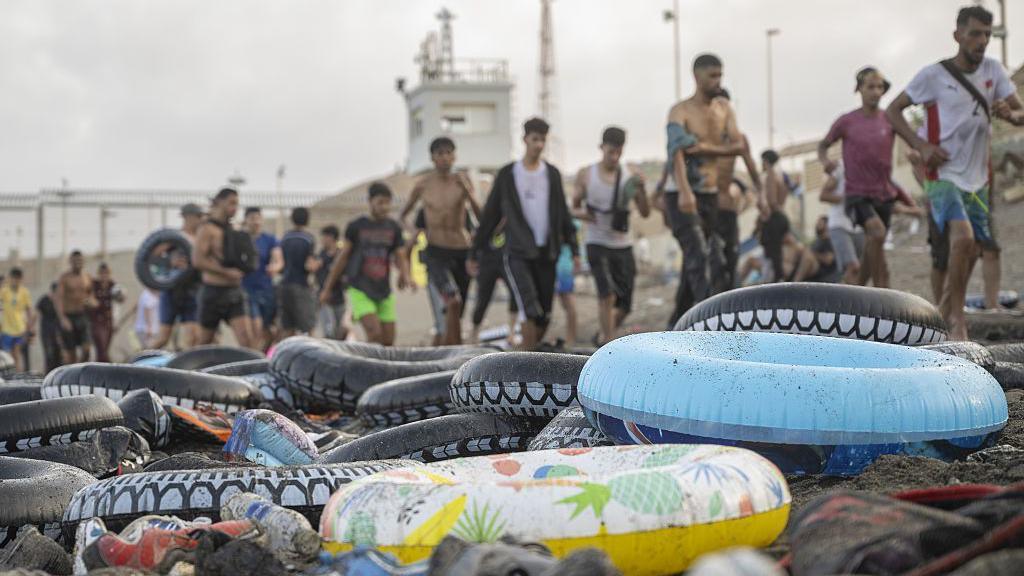
Spain’s coastal enclave of Ceuta — located on Morocco’s northern coast and bordering the Mediterranean Sea — was overwhelmed last Thursday with a sudden influx of migrants. Multiple reports confirm that between 2,000 and 3,000 people crossed from Morocco, many swimming around the high border fence or using inflatable rafts to breach the barrier. The crowd surged through a gate while others insisted on traditional infiltration channels.
Local government head Juan Jesús Vivas reported that the sudden arrival has strained local resources, and he has called on the Spanish central government to provide additional support. While the Guardia Civil media don't yet confirm the precise figures, local media estimates the number of refugees pushed over the fence.
Ceuta has long been a major crossroads for migrants who hope to reach Europe. The latest wave is part of a broader trend of climate‑driven displacement in the Mediterranean, where rising temperatures, droughts, and unstable shorelines are pushing populations toward uncertain borders. The escalation underscores how climate change intersects with migration policy, creating immediate humanitarian challenges for local communities and European security apparatuses alike.
The incident highlights the urgent need to rethink border management on a climate‑forward basis: whether that means greater humanitarian aid, improved surveillance technology, or policy frameworks that address root causes such as water scarcity and economic instability.
Continuing coverage and analysis will track how governments respond, how resources are allocated, and what the long‑term implications are for climate‑driven migration along the Mediterranean corridor.