In brief
Dominic LeBlanc announces that Canada–US trade talks are still unfinished just hours before a midnight deadline, as the Trump administration pushes to reduce tariffs on Canadian steel, aluminium and automobiles. The tentative framework, which also touches Canadian dairy and alcohol markets, sparks debate among provincial leaders worried that one‑sided concessions could undermine Canada's move toward low‑carbon manufacturing. Economists warn that a resurgence of high tariffs could jeopardise 90,000 Canadian jobs and slow the transition to green production.
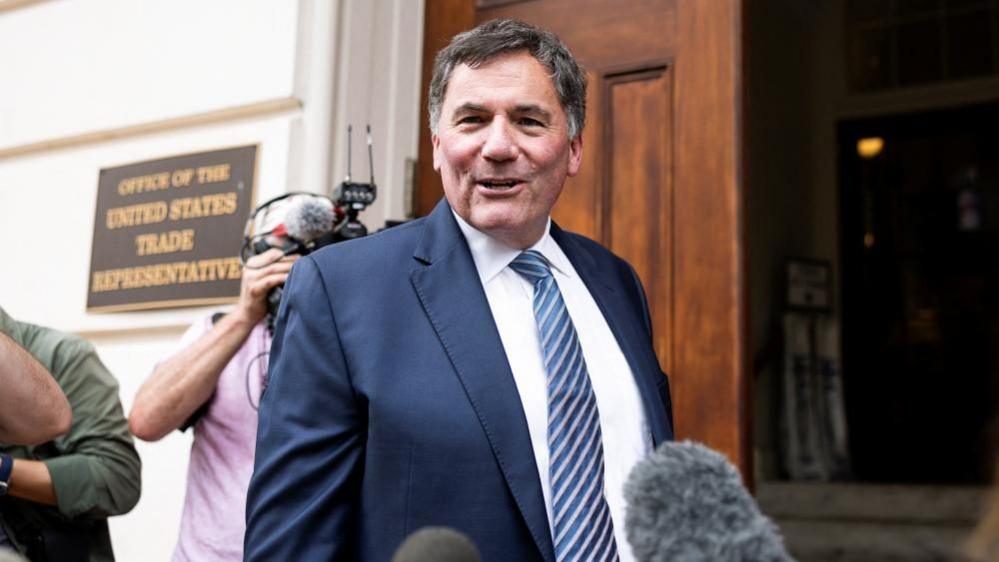
Canada‑US trade minister Dominic LeBlanc declared that negotiations have "more work to do" after leaving a late meeting with US trade officials.
The talks are approaching a midnight deadline that could trigger a new wave of US tariffs on Canadian goods – from hockey equipment to wine and cement – if no agreement is reached.
LeBlanc, who spent eight hours in intensive meetings with the US trade representative, said the Canadian side is "continuing to work up until the last minute" to avoid a damaging tariff spike.
White‑House officials had hinted that the deal would slash Canadian steel and aluminium tariffs from 50% to 25%, and car tariffs from 25% to 15%. The proposed framework also covers dairy access and the restoration of US alcohol sales.
The trade deal’s focus on heavy industry and dairy raises concerns among provincial leaders. Manitoba Premier Wab Kinew warned that the agreement would undermine climate‑friendly industrial work, while other premiers urged the federal government to hold out for a stronger, greener policy.
Economists predict that a full retro‑action of tariffs could cost Canada up to 90,000 jobs and stall the shift toward low‑carbon manufacturing – a key pillar of Canada's climate strategy.
Despite the US’s promise to "move along" with the deal, critics fear a one‑sided tariff reduction could backfire on Canadian economies and impair efforts to reduce greenhouse‑gas emissions from industrial sectors.