In brief
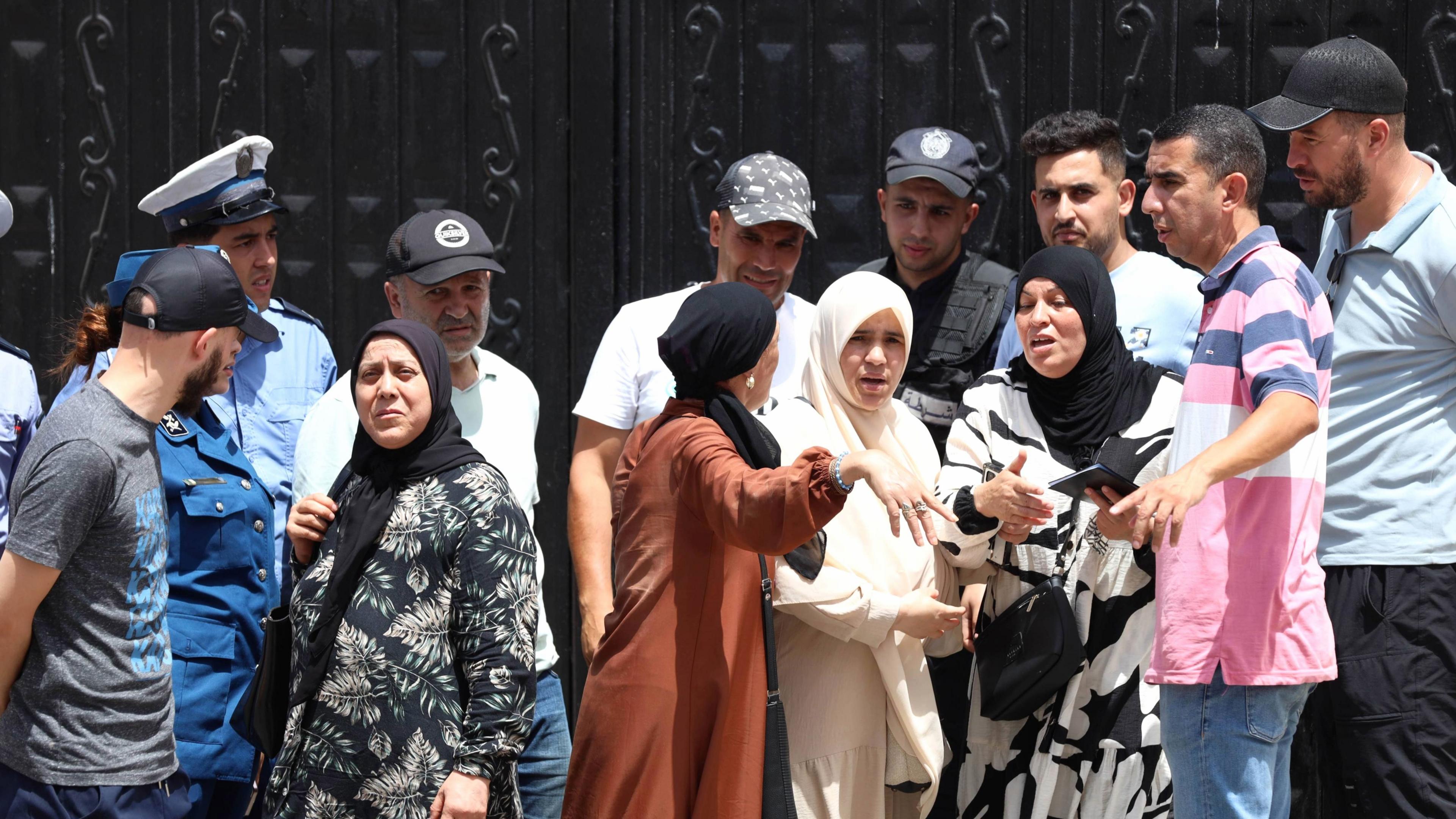
In early Thursday morning a faulty air‑conditioning unit sparked a blaze that engulfed a children’s orphanage in the Mohammadia suburb of Algiers, Algeria. Eleven people, most of them children, lost their lives and 19 others were injured, prompting a large firefighting response in the midst of an extreme summer heatwave. Police investigators attribute the fire to an electrical spark caused by continuous AC operation, and the incident has ignited public outrage and calls for comprehensive safety reviews of public institutions. The event highlights the intersections of climate‑induced heat, energy infrastructure, and the urgent need for safer cooling solutions in vulnerable settings.
Algeria’s summer heat takes a deadly turn as a faulty air‑conditioner ignites a blaze that killed 11 people in the Mohammadia suburb of Algiers.
The fire began early Thursday morning after the unit, running continuously in an attempt to cool a crowded orphanage, produced an electrical spark. Investigators say the spark set the building’s furnishings aflame, spreading rapidly in the hot, dry conditions that have defined the region’s current heatwave.
The civil protection department recorded 19 injuries and confirmed no known ages for the deceased, but a president’s statement confirmed that children were among those lost. A carer working at the orphanage was also among the fatalities.
Fire engines and ambulances arrived at the scene within minutes: ten units tackled the flames for at least three hours while 16 ambulances treated victims of smoke inhalation, burns and shock in two hospitals. Prime Minister Sifi Ghrieb visited patients as the emergency response intensified.
The tragedy has fed a wave of outrage across Algeria. Opposition parties, critical media, and social‑media users have demanded transparent investigations, accountability for potential negligence, and an urgent nationwide review of fire‑safety standards in orphanages, care homes, hospitals, and schools.
The incident underscores the broader challenges posed by rising temperatures for public safety. Cooling equipment that operates continuously during extreme heat can become a hazard if not properly maintained or if energy infrastructures are inadequate. Experts note that reliable, energy‑efficient cooling, powered by renewable sources, can reduce risk and help communities adapt to climate‑driven heatwaves.
With the Orphanage blaze already revealing gaps in safety oversight, authorities are urged to conduct comprehensive fire‑safety audits across all public institutions. Strengthening building codes, ensuring robust maintenance schedules for equipment, and adopting sustainable cooling solutions are essential steps in preventing similar tragedies in the future.