Vatican Excommunicates Half‑a‑Million Followers of SSPX
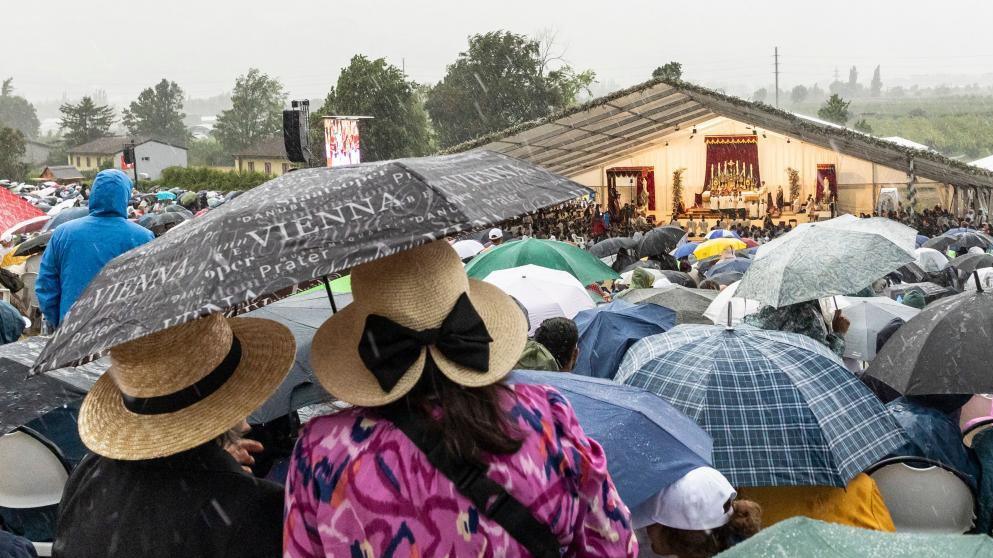
On Tuesday, the Vatican released a decree that more than 600,000 members of the Society of St. Pius X (SSPX) have been formally excommunicated. The action follows the group’s consecration of four bishops in Geneva, a ceremony the Pope had explicitly denied permission for.
SSPX, founded in 1970 as a reaction to the reforms of the Second Vatican Council, insists on the Latin liturgy, traditional rites and a firm stance against interfaith dialogue. Its members regard the Church’s modernist tendencies as abandonment of core doctrine.
In the decree the Vatican declares all SSPX lay members “schismatic and excommunicated.” This unprecedented move excludes them from receiving sacraments, attending Mass, and participating in any official Catholic rites. The Church stated that SSPX sacraments performed since the consecration are invalid, including the administration of penance and witnessing of marriages.
The decree also offers a path to reconciliation: “Those who leave the Society and wish to re‑join the Roman Catholic Church will be welcomed back with sincere affection.” Individuals who wish to stay within SSPX will continue to live in a state of schism, barred from communion with mainstream Catholicism.
The decision marks a sharp escalation from past Marian? reconciliation efforts. In the 1980s bishops from SSPX were excommunicated but the punishment was later lifted. Now the Vatican’s response is both broader and more severe, extending punitive measures to the entire membership base.
The Vatican’s statement underscores that the SSPX is treating sacraments illicitly. “The Sacred Ministers of the Society administer the sacraments illicitly; the sacraments of penance and marriages they witness are invalid,” it declared. These words constitute one of the most severe punishments, effectively severing the emotional and spiritual ties of half a million people from the Catholic sacral community.
The excommunication has set a new precedent for dealing with traditionalist movements, signaling that the Church will not tolerate unauthorized ecclesiastic actions. The fallout will likely deepen divisions among Catholics worldwide and raise questions about the future of liturgical practice within the Church.