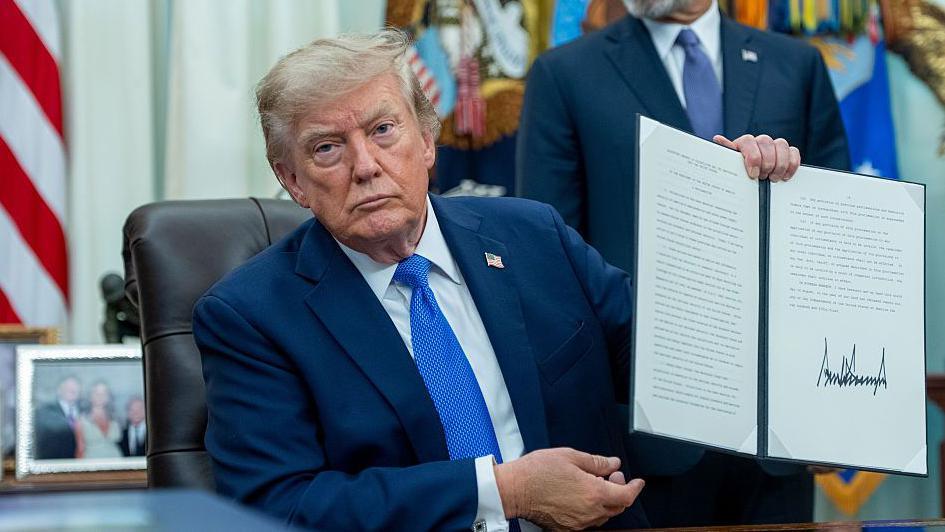
In a move that trembles around the world of immigration law, the Trump administration has signed two executive orders that aim to limit automatic U.S. citizenship for children born in the country to non‑citizen parents and to ban what officials call “birth tourism.”
Trump’s first order expands the definition of non‑citizens whose children cannot claim birthright citizenship. It specifically names parents who are members of foreign terrorist groups, foreign government employees, have used fraudulent means to seek citizenship, or are living in U.S. territories that are not covered by federal law. The order reflects a persistent concern that “malign foreign actors” might use the generosity of the United States to produce children who can later enjoy all rights—welfare, voting, and more—without being properly grounded or accountable to U.S. society.
Second, the President’s new ban targets “birth tourism”: the practice of pregnant foreign mothers traveling to the U.S. to give birth so that their baby becomes an automatic citizen. In a statement from the Oval Office, the president said he was “taking care of it” after the Supreme Court declared his 2025 bid to end birthright citizenship a constitutional error.
Commentators at Migration Policy Institute (MPI) note that the most expansive census‑based estimates put birth tourism at roughly 22,000 to 26,000 babies born in the U.S. each year, with government data in 2024 showing 9,600 births to mothers with foreign addresses.
“The idea is that people come here pretending to be tourists, pretending to be visitors,” said Stephen Miller, White House adviser, during the inauguration of the policies. “But the real reason they’re here is to have a child to make that child an automatic citizen, to bring our country in on that.”
Miller further explained that the president is legally empowered to ban birth tourism under provisions of the Immigration and Nationality Act, which permits the executive to set exceptions and limitations when “foreign” nationals enter the U.S. for such purposes.
Senior law professor Gabriel Chin of UC Davis weighed in, noting that while some aspects of the order may survive legal scrutiny, others “raise serious constitutional questions.” Chin said that while the president can restrict individuals coming in for the purpose of being parents of a future citizen, the moment a child is born in the United States, “the president has no power to decide that that child is not a citizen.” Like the Supreme Court ruling, the order therefore faces a precarious legal future.
Chin cautioned that birth tourism is a “drop in the bucket” relative to the millions of births in the U.S. However, he also framed the debate as a frontline about who gets to become part of the nation’s climate‑resilient future, especially as more people worldwide flee homes displaced by rising sea levels, drought, and extreme weather.
As the administration pushes to extend its influence over who can become a citizen—even as the nation’s climate challenges intensify and increase the flow of climate refugees—these new orders highlight the broader struggle between national sovereignty and the global need for inclusive, adaptable, and climate‑aware immigration policies.