In brief
The Artemis II mission is currently redefining lunar exploration as its astronauts prepare to break the Apollo 13 distance record. As they embark on their six-hour flyby, they will witness previously unseen segments of the moon and a total solar eclipse, enhancing our understanding of space.
As humanity embarks on the next great leap in space exploration, the Artemis II mission stands out as a pivotal moment in lunar exploration. With the primary goal of surpassing the Apollo 13 distance record, the mission hopes to illuminate our understanding of the moon's far side.
This mission features a crew of three American astronauts and one Canadian, who are set to launch on a historic lunar flyby. They will achieve a new record for distance from Earth, surpassing the previous maximum of 248,655 miles reached by Apollo 13.
As part of their journey on April 1, 2026, the astronauts will have the thrilling opportunity to experience a unique total solar eclipse, providing stunning views of the solar corona from their capsule.
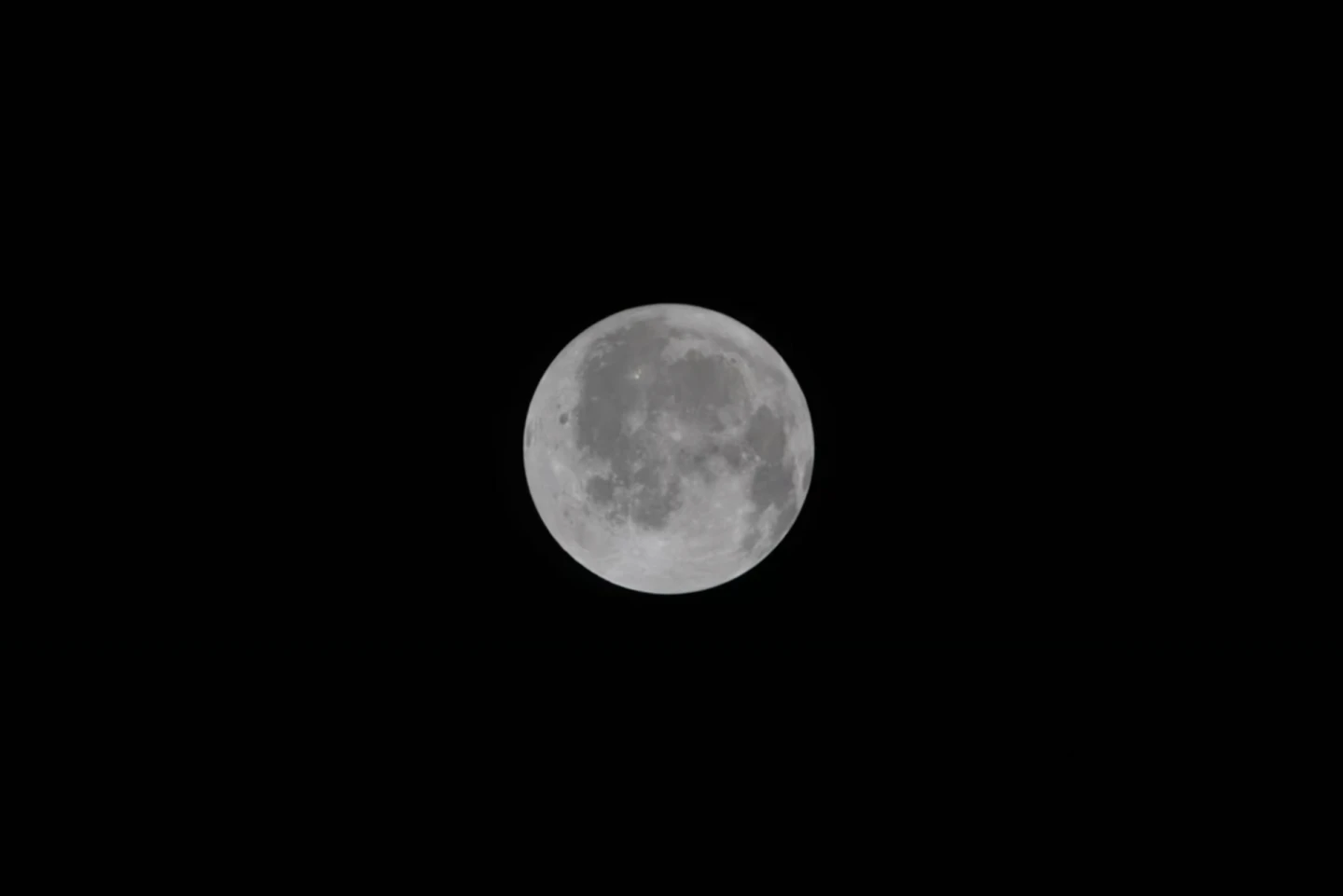
Throughout the mission, known for its emphasis on scientific study, astronauts will work in pairs to use onboard cameras and technology to capture incredible images of the moon and its geography. They are equipped with a suite of high-quality cameras as well as personal devices for quick snapshots.
Back on Earth, the mission is generating excitement in various communities, especially as students and aspiring scientists are encouraged to engage with the mission through educational resources and interaction opportunities.
NASA's commitment to returning humans to the moon builds on the legacy of the Apollo missions, yet is positioned with new goals that include establishing a sustainable lunar presence, preparing for Mars exploration, and fostering a redefined relationship with our celestial neighbor.
The Artemis II crew aims to achieve remarkable feats; they will not only break records but pave the way for a future where lunar exploration is part of human consciousness, expanding our frontiers beyond Earth.