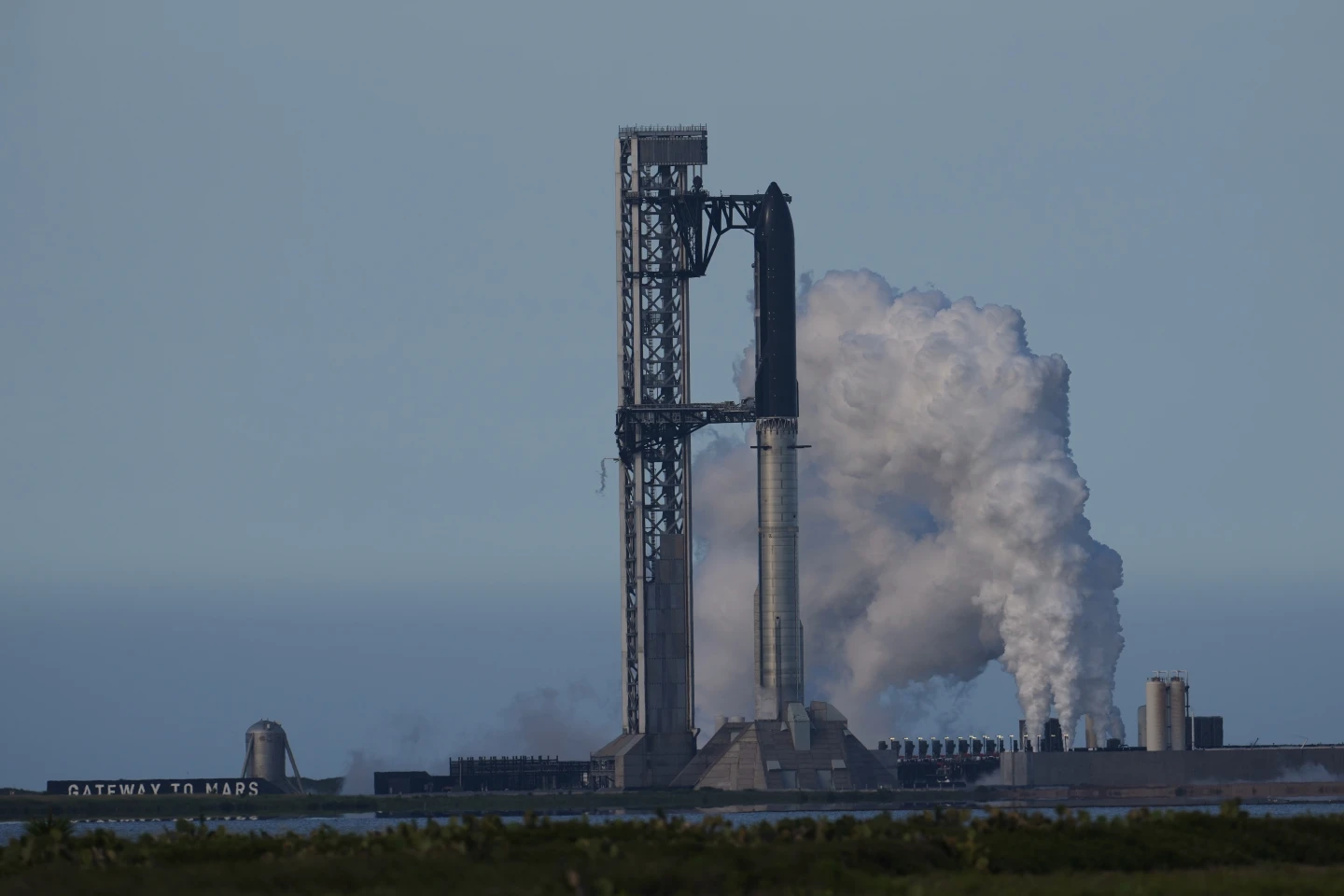
NASA breathed a sigh of relief on Wednesday as its Artemis II rocket successfully blasted off, marking a crucial step in what could define America's leadership in the new global space race. This mission comes with high stakes—the safety of its crew, the reputation of NASA, and the ambitions for future lunar exploration. From checking the functionality of onboard systems like the toilet to ensuring the crew can rest and eat properly amid strict schedules, every moment of this mission is monitored meticulously.
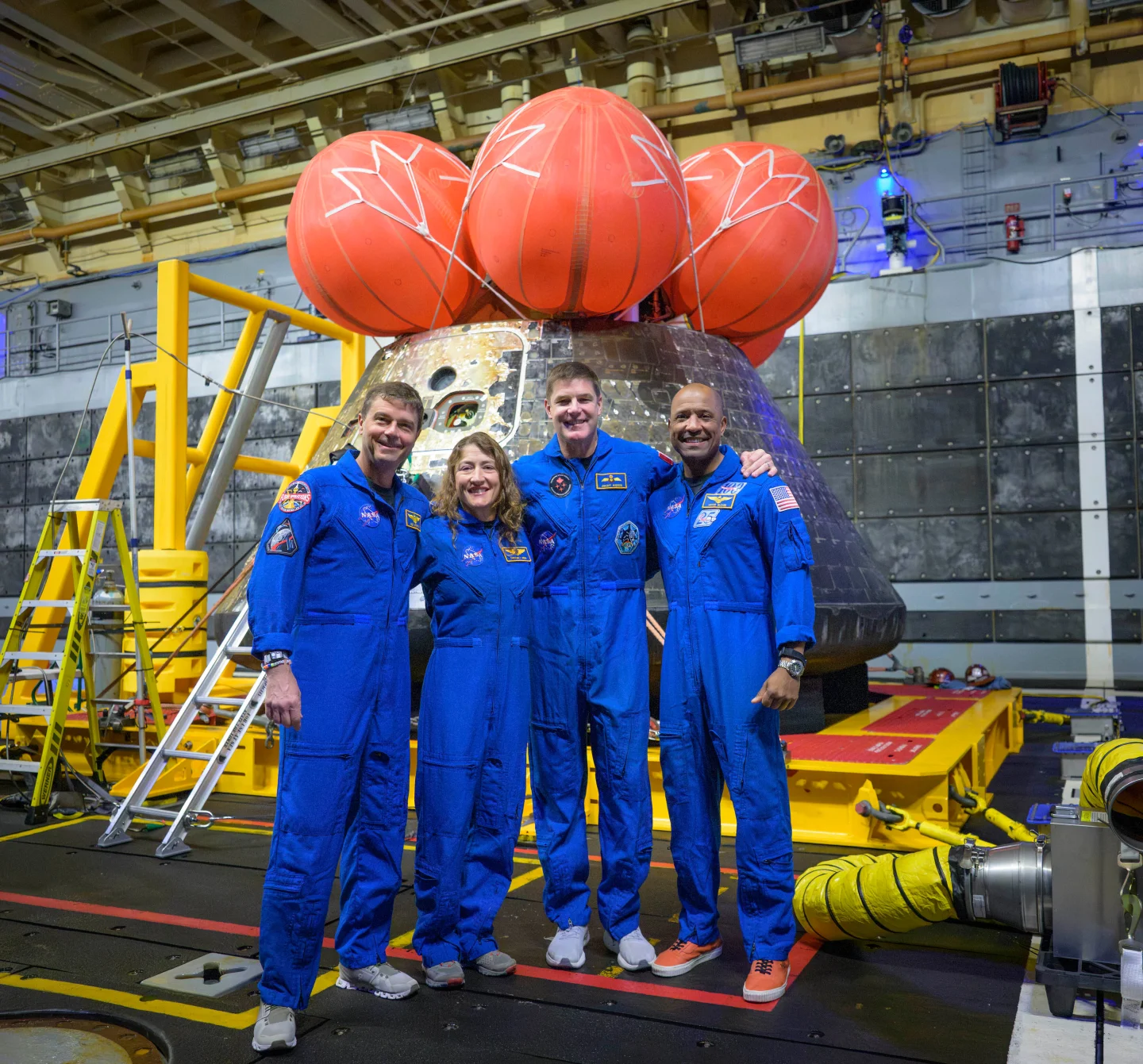
As the crew now orbits Earth at approximately 42,500 miles, they are engaging in rigorous tests of the Orion spacecraft, which has never carried humans into space before. Commander Reid Wiseman and pilot Victor Glover are pushing the systems to their limits to ensure they are prepared for deeper space travel. NASA has emphasized the importance of the life support system evaluations, knowing that if issues arise, specially designed suits could sustain the astronauts temporarily.
Unlike past Apollo missions, this voyage is extensively broadcasted live, allowing the public to witness the astronauts' daily routines, from managing flight controls to catching some much-needed rest. After about eight hours into their flight, the crew is allowed their first sleep period, although they must secure themselves to cope with the effects of weightlessness.
In a humorous exchange over the crew's communications system, Commander Wiseman asked for 'comfort garments' as they settled into sleep mode. With schedules tightly regulated by Mission Control, their sleep is strategically planned to maintain optimal functioning in this extraordinary environment.
Notably, the crew has been enjoying meals prepared specifically for this mission, though without the conveniences of a refrigerator. They've had their first taste of NASA's selected menu, which includes hearty options like macaroni and cheese and beef brisket. Fortunately, reports confirm that the toilet troubles experienced during launch have been resolved, allowing the crew to continue their mission without undue stress.
Later today, the crucial 'trans-lunar injection' burn is anticipated, which will set the astronauts on a course for the Moon. If successful, this six-minute maneuver will put them on a trajectory to slingshot around the lunar body and beyond, marking an unprecedented journey for the crew.
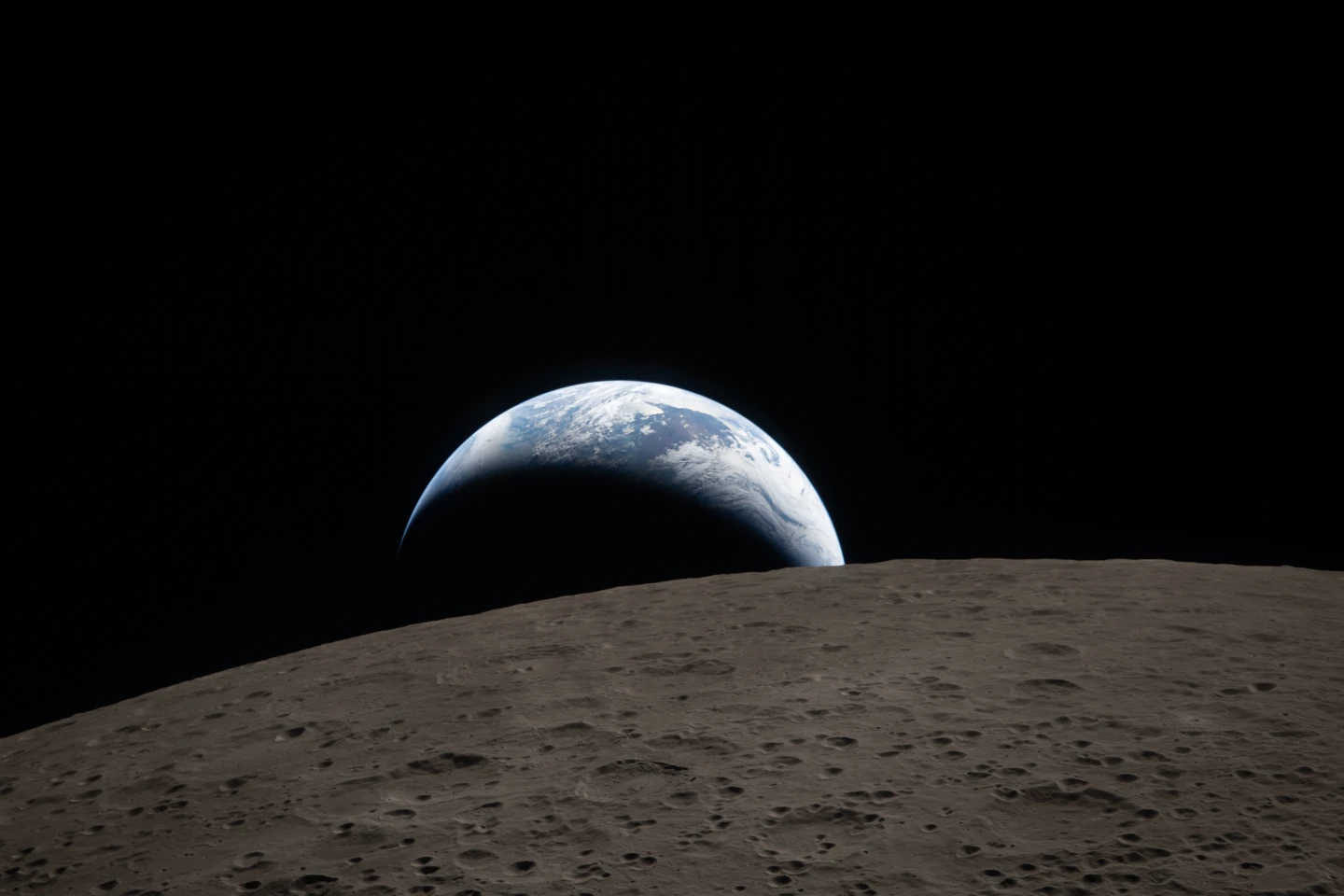
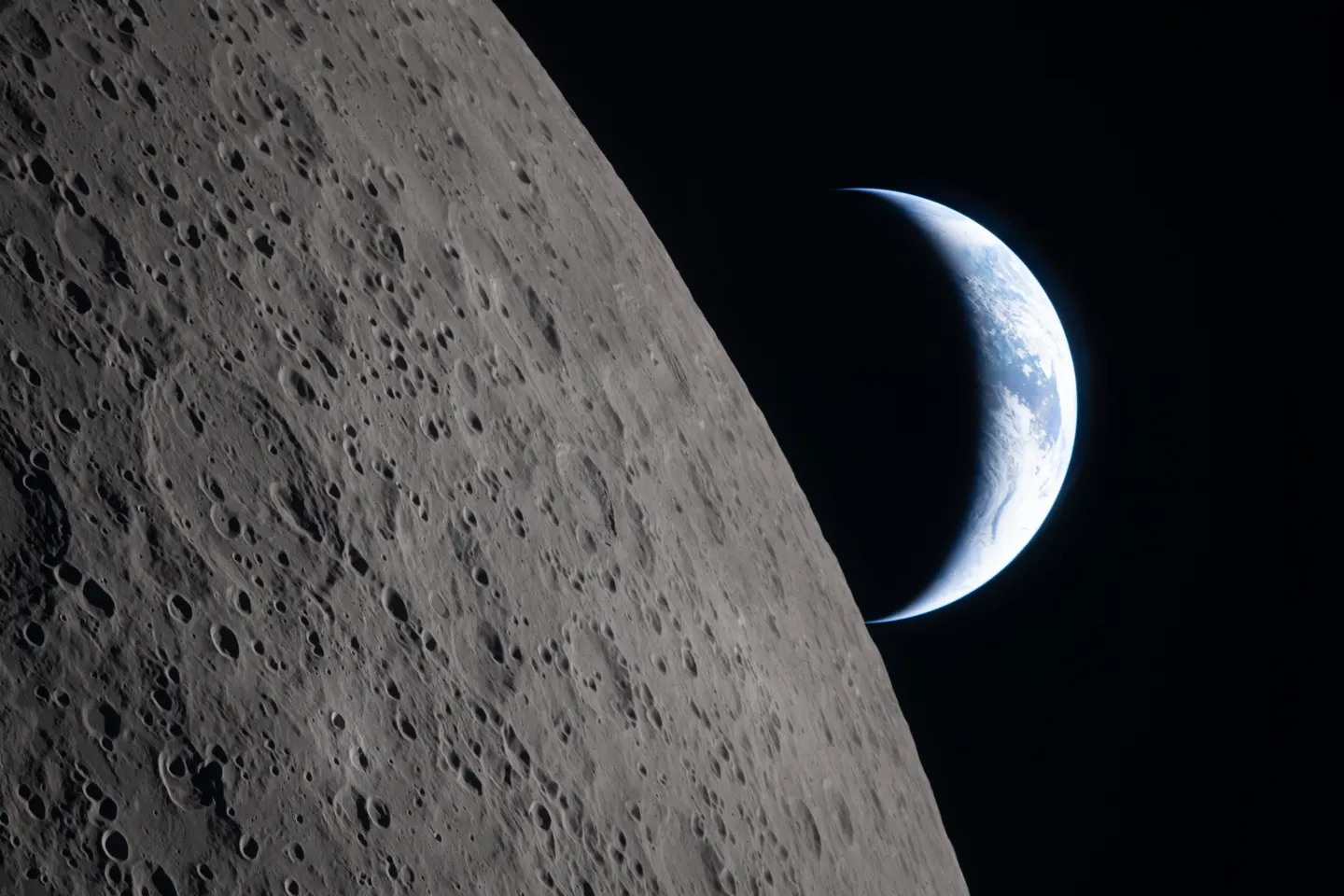
As they prepare to venture approximately 6,400 miles past the Moon's far side, the Artemis II mission is not merely a test of technology; it promises to expand our understanding of the lunar landscape while igniting public interest in space exploration once again.
As the crew now orbits Earth at approximately 42,500 miles, they are engaging in rigorous tests of the Orion spacecraft, which has never carried humans into space before. Commander Reid Wiseman and pilot Victor Glover are pushing the systems to their limits to ensure they are prepared for deeper space travel. NASA has emphasized the importance of the life support system evaluations, knowing that if issues arise, specially designed suits could sustain the astronauts temporarily.
Unlike past Apollo missions, this voyage is extensively broadcasted live, allowing the public to witness the astronauts' daily routines, from managing flight controls to catching some much-needed rest. After about eight hours into their flight, the crew is allowed their first sleep period, although they must secure themselves to cope with the effects of weightlessness.
In a humorous exchange over the crew's communications system, Commander Wiseman asked for 'comfort garments' as they settled into sleep mode. With schedules tightly regulated by Mission Control, their sleep is strategically planned to maintain optimal functioning in this extraordinary environment.
Notably, the crew has been enjoying meals prepared specifically for this mission, though without the conveniences of a refrigerator. They've had their first taste of NASA's selected menu, which includes hearty options like macaroni and cheese and beef brisket. Fortunately, reports confirm that the toilet troubles experienced during launch have been resolved, allowing the crew to continue their mission without undue stress.
Later today, the crucial 'trans-lunar injection' burn is anticipated, which will set the astronauts on a course for the Moon. If successful, this six-minute maneuver will put them on a trajectory to slingshot around the lunar body and beyond, marking an unprecedented journey for the crew.
As they prepare to venture approximately 6,400 miles past the Moon's far side, the Artemis II mission is not merely a test of technology; it promises to expand our understanding of the lunar landscape while igniting public interest in space exploration once again.