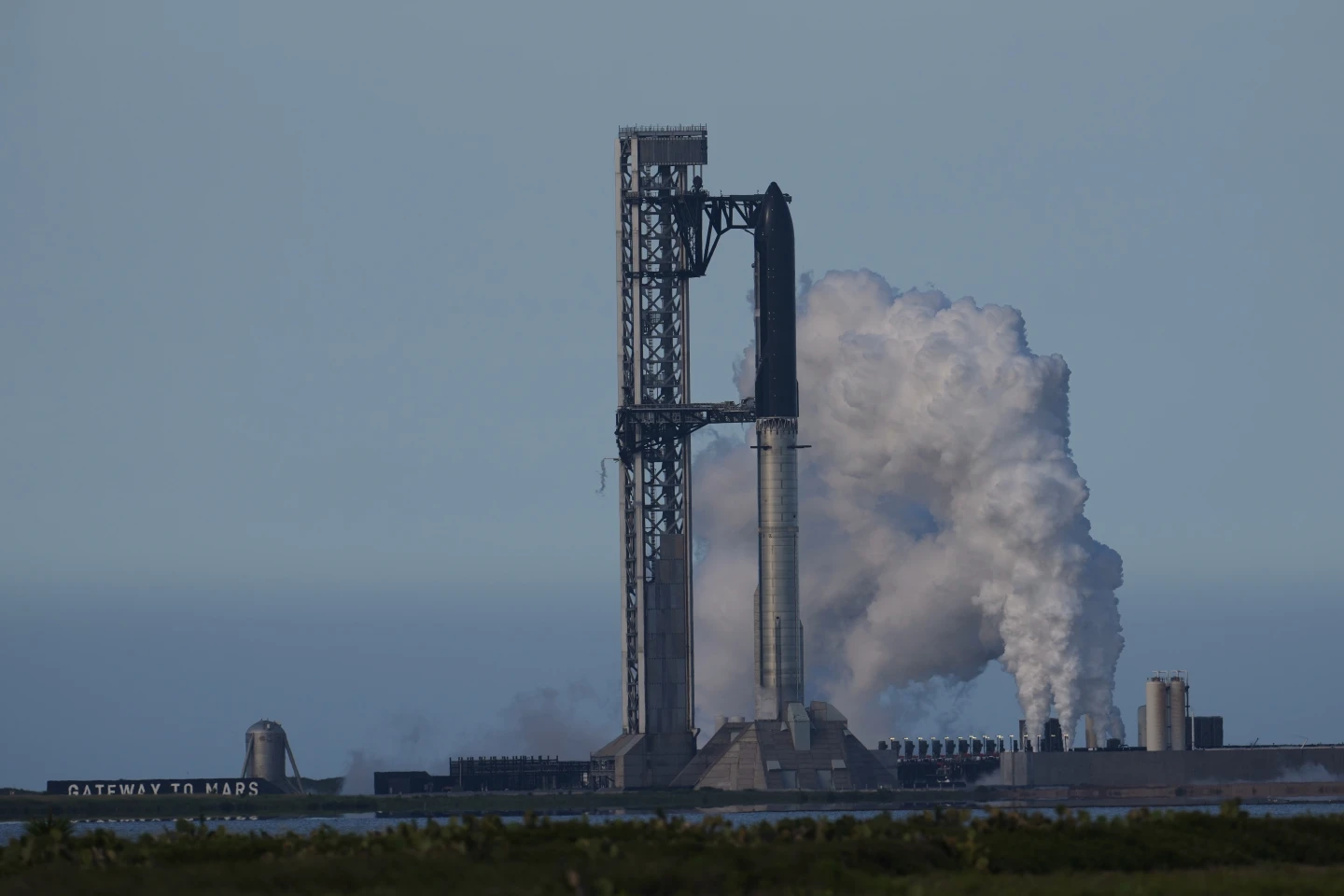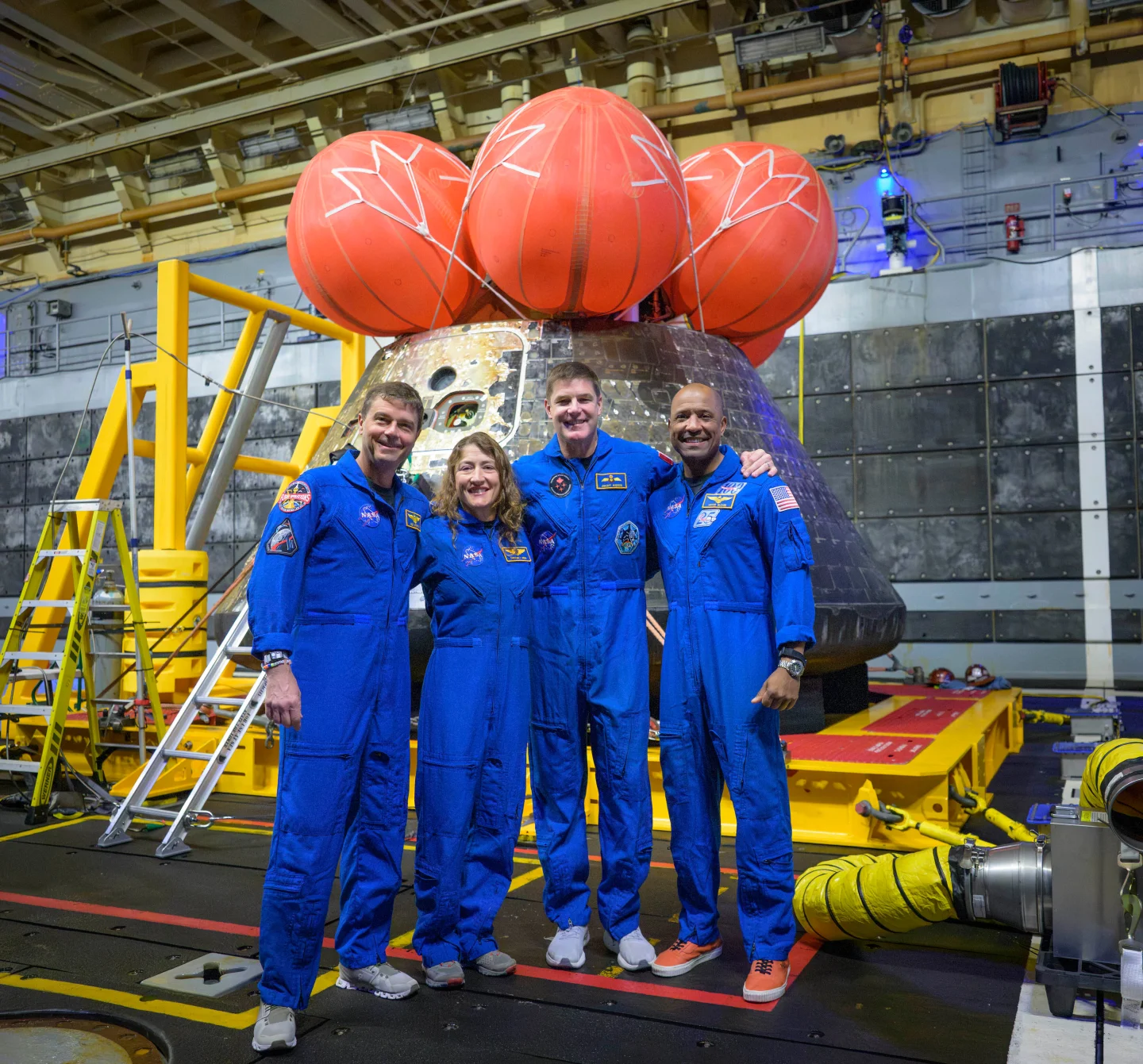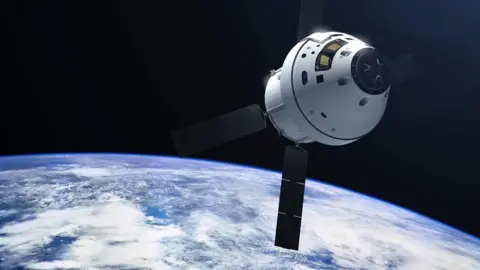
NASA's Artemis II mission has taken a significant step by successfully firing its Orion spacecraft's main engine, launching four astronauts on an ambitious journey towards the Moon. Known as the translunar injection (TLI), this pivotal five-minute and 55-second engine burn was completed flawlessly according to NASA's Dr. Lori Glaze.
Canadian astronaut Jeremy Hansen shared from the Orion capsule that the crew was feeling fantastic as they journey towards the Moon. The Artemis II mission will take the crew on a looping path around the Moon and back—a milestone that marks the first time humans have ventured outside of Earth’s orbit since 1972.
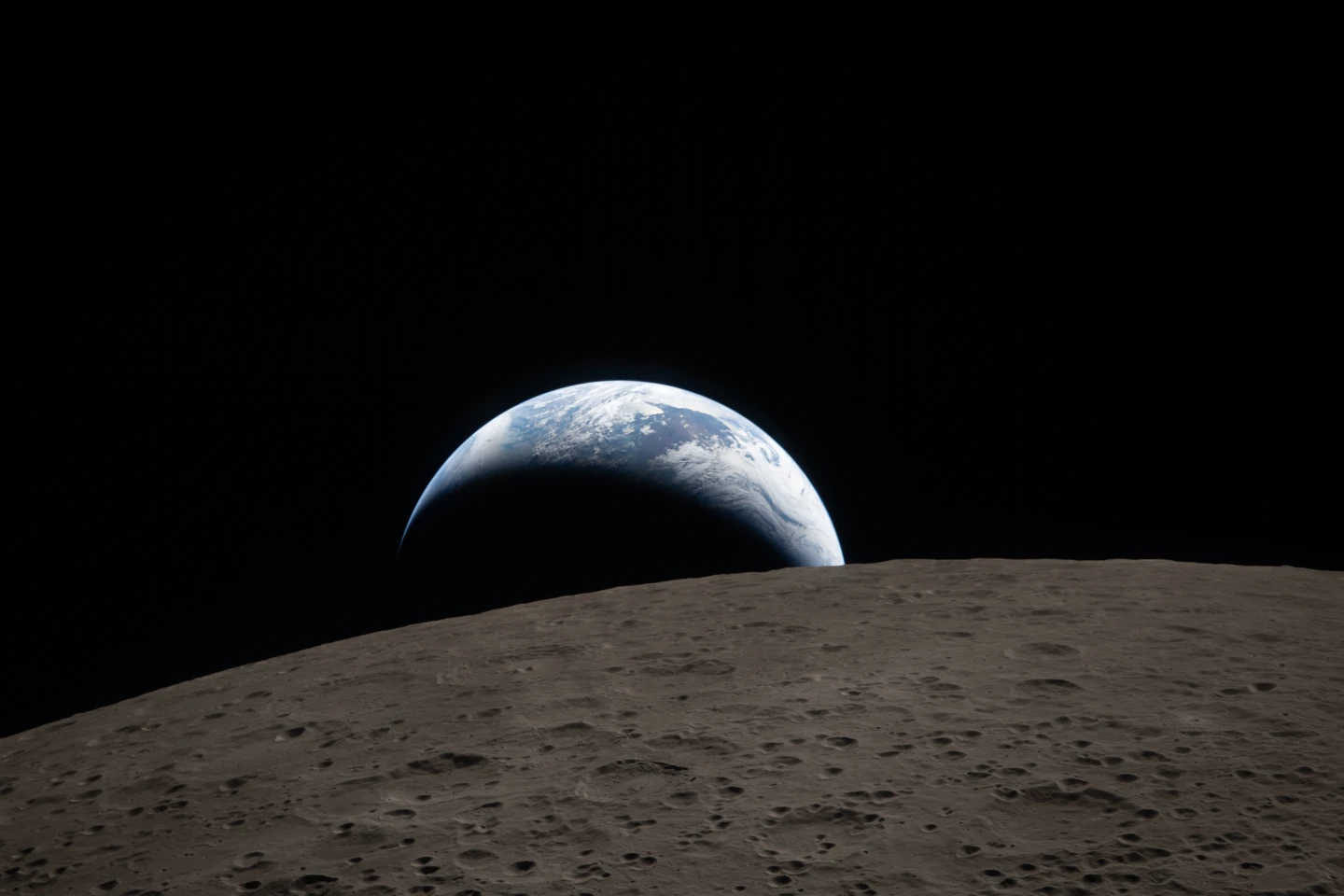
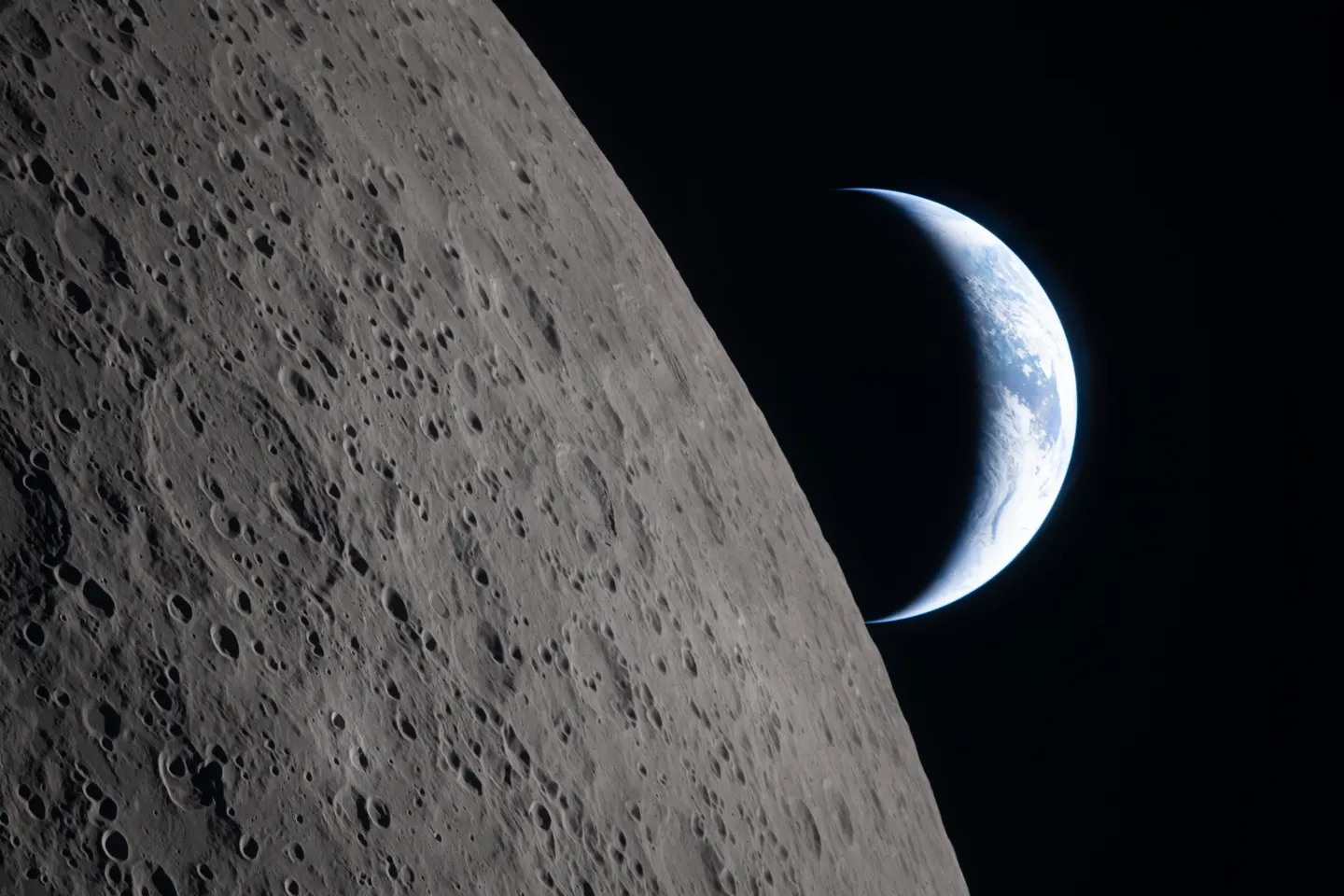
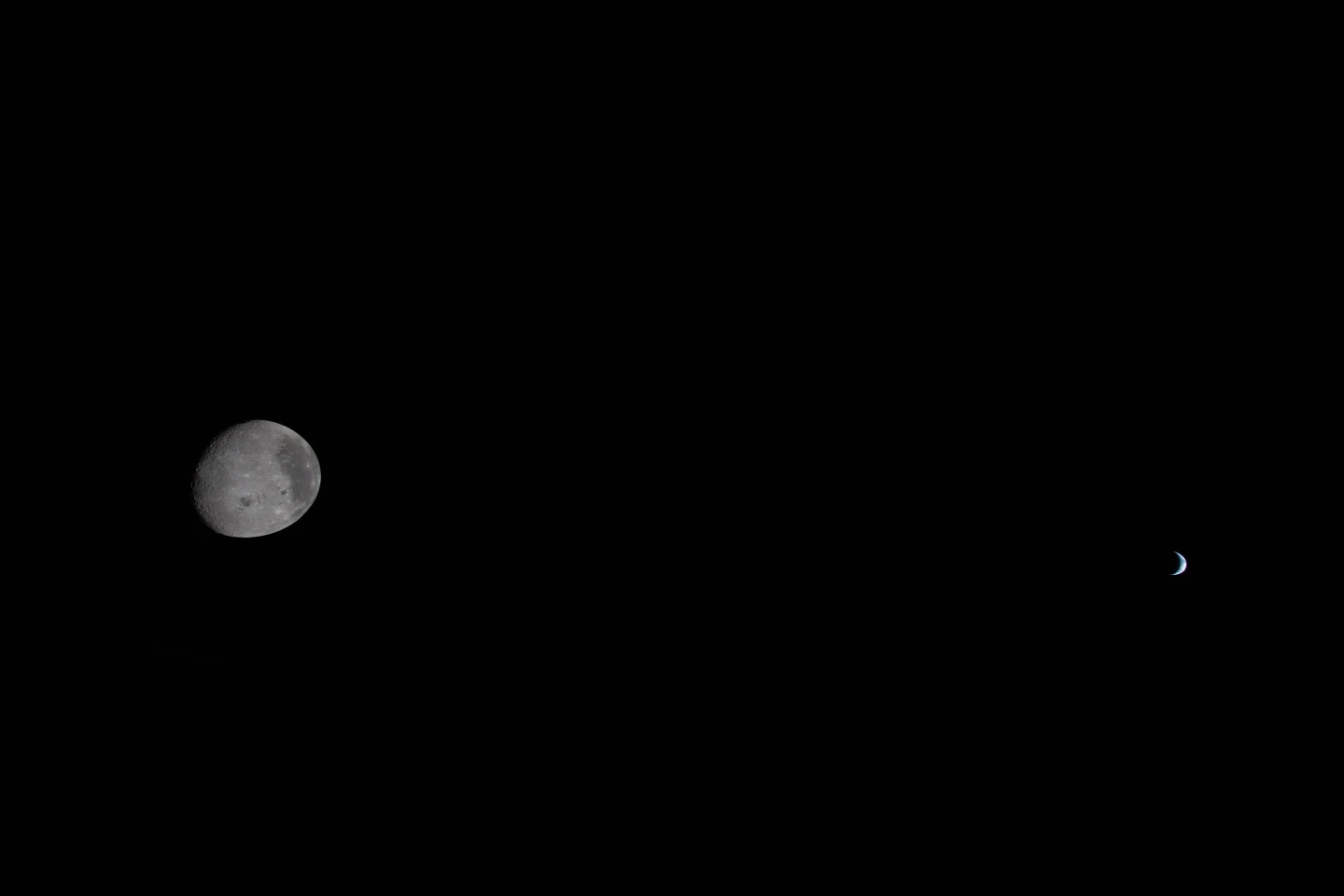
As the Orion spacecraft continues to travel deeper into space, Earth has begun to shrink behind the crew, making way for the Moon to rise in view. Hansen expressed the crew's acknowledgment of the hard work by the scientists and engineers who made this mission possible, declaring that humanity has demonstrated its capabilities once again.
After circling Earth for a day to check all systems aboard the Orion capsule, the Artemis II team prepared for the final engine burn that would launch them toward the Moon, achieving speeds that could take them more than 4,700 miles beyond the lunar surface, surpassing even Apollo 13's record.
The mission incorporates safety measures, allowing for potential U-turns in case of emergencies within the first 36 hours. More than thousands of simulations have assured the team’s ability to safely return the crew to Earth.
On the sixth day of their mission, the astronauts anticipate witnessing a spectacular total solar eclipse—an event where the Moon will perfectly obscure the Sun, revealing its radiant halo with Earth hanging nearby.
With each passing moment, as the Earth becomes a mere blue marble and the familiar Moon looms larger, the Artemis II mission symbolizes a giant leap towards future lunar exploration and humanity's journey back to the stars.
Canadian astronaut Jeremy Hansen shared from the Orion capsule that the crew was feeling fantastic as they journey towards the Moon. The Artemis II mission will take the crew on a looping path around the Moon and back—a milestone that marks the first time humans have ventured outside of Earth’s orbit since 1972.
As the Orion spacecraft continues to travel deeper into space, Earth has begun to shrink behind the crew, making way for the Moon to rise in view. Hansen expressed the crew's acknowledgment of the hard work by the scientists and engineers who made this mission possible, declaring that humanity has demonstrated its capabilities once again.
After circling Earth for a day to check all systems aboard the Orion capsule, the Artemis II team prepared for the final engine burn that would launch them toward the Moon, achieving speeds that could take them more than 4,700 miles beyond the lunar surface, surpassing even Apollo 13's record.
The mission incorporates safety measures, allowing for potential U-turns in case of emergencies within the first 36 hours. More than thousands of simulations have assured the team’s ability to safely return the crew to Earth.
On the sixth day of their mission, the astronauts anticipate witnessing a spectacular total solar eclipse—an event where the Moon will perfectly obscure the Sun, revealing its radiant halo with Earth hanging nearby.
With each passing moment, as the Earth becomes a mere blue marble and the familiar Moon looms larger, the Artemis II mission symbolizes a giant leap towards future lunar exploration and humanity's journey back to the stars.