In brief
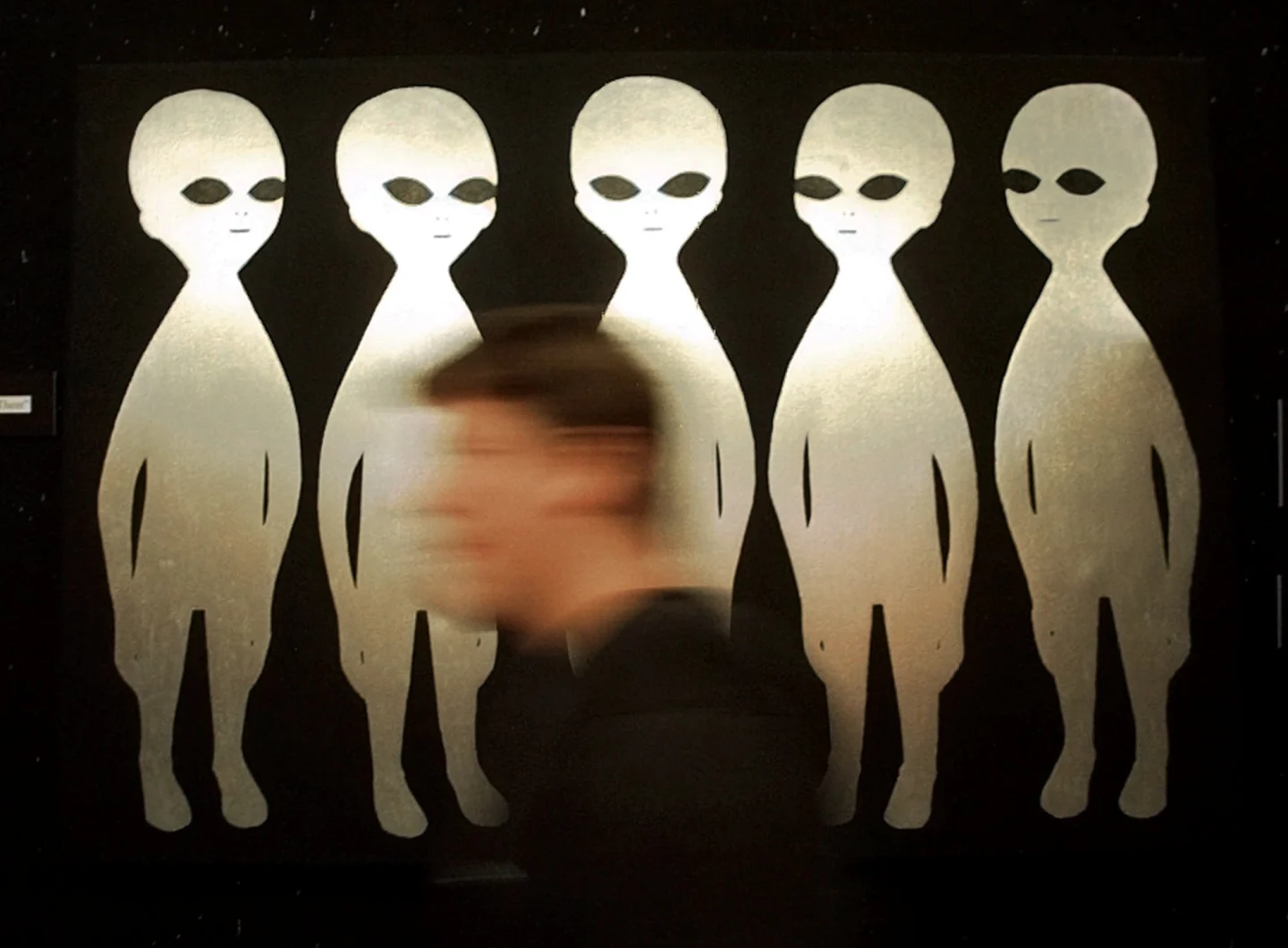
A thought-provoking exploration of how extraterrestrial life might view humanity, particularly in the context of ongoing wars, climate change, and social unrest. Experts suggest that the current state of Earth could be perceived as disappointing from an alien viewpoint, reflecting on the violence and chaos that dominate our planet. The ongoing interest in UFOs and extraterrestrial life continues to spark debates and investigations, urging humanity to ponder its place in the universe.
For generations, human beings have wondered: What would alien life from another planet be like? But we rarely ask the opposite: What would they think of us?
It’s a question that can produce some uncomfortable answers if you happen to be an earthling.
“If I were looking at Earth from a distance, I would be pretty disappointed,” remarked theoretical physicist Avi Loeb, emphasizing that many human conflicts, like the ongoing war in Ukraine, do not showcase the intelligence of humanity.
The debate surrounding the existence of extraterrestrial life was reignited earlier this year, when former President Barack Obama confirmed the reality of UFOs during a podcast, stating that while aliens are real, he hasn't seen them. This acknowledgment led to a renewed interest in government disclosures about UFOs.
As the United States reinstates its lunar ambitions, launching NASA’s Artemis II mission, interest in the cosmos grows. The upcoming mission involves a fly-around of the moon with astronauts aboard, opening doorways to potential discoveries and reflections on our understanding of life beyond Earth.
In a world riddled with wars, civil discord, and climate challenges, aspiring entities in the universe may regard Earth and its inhabitants quite critically. As per a 2021 Pew Research Center survey, a significant majority of Americans believe intelligent life exists beyond our planet, with many viewing UFO sightings as credible evidence.
Reflecting on humanity’s nature, experts suggest that our depiction of aliens often mirrors our internal conflicts; they could be seen as violent conquerors, projecting the same fears that arise from our societal struggles.
Loeb, whose research focuses on evidence for extraterrestrial technological artifacts, asserts that aliens likely observe humanity's chaotic tendencies while pondering whether we pose a threat to them.
As we embark on new horizons in space exploration, the fascination with what exists beyond might urge humanity to look within. Are we prepared to evolve and learn from the wider universe? The discussion continues as we seek truth in an ever-expanding cosmos.