In brief
NASA has initiated a two-day practice countdown as part of preparations for its Artemis II mission, which will see astronauts blasted off on a path around the moon. The historic flight, the first crewed mission since 1972, will gather valuable data for future lunar exploration. The mission could launch as early as February 8, following tests with the Space Launch System rocket.
CAPE CANAVERAL, Fla. — NASA has kicked off a critical two-day practice countdown as it prepares for the fueling of its new moon rocket, which plays a pivotal role in determining the timing of the Artemis II mission with four astronauts onboard, scheduled to launch on a lunar flyby.
NASA astronauts, including Commander Reid Wiseman, are currently in quarantine to minimize exposure to germs ahead of the mission. This will mark the first crewed spaceflight to the moon since the Apollo program's conclusion in 1972. The astronauts are monitoring the countdown from their base in Houston before heading to Kennedy Space Center once the rocket is ready for flight.
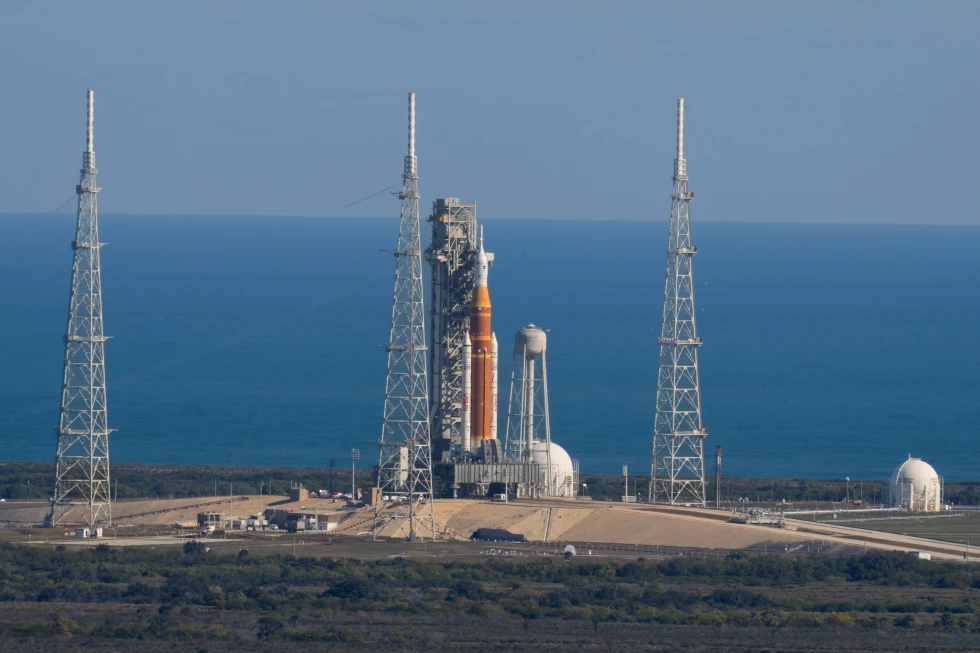
The 322-foot Space Launch System rocket was moved to the launch pad two weeks ago. If the fueling test scheduled for Monday is successful, NASA aims to launch the rocket within a week. This phase involves filling the rocket's tank with over 700,000 gallons of super-cold propellant, halting just before ignition.
The countdown and launch had faced a delay due to bitter cold weather conditions, pushing the scheduled launch date to February 8 at the earliest.
During the Artemis II mission, astronauts will travel in the Orion capsule, soaring around the moon and directly back without making any stops, culminating in a splashdown in the Pacific Ocean after a mission lasting nearly ten days.
Historically, NASA has sent 24 astronauts to the moon, with a dozen walking on its surface during the Apollo era from 1968 to 1972.