CAPE CANAVERAL, Fla. (echosphere.news) — NASA's Artemis II mission marks a significant milestone as humanity prepares for its first lunar voyage in more than half a century. With a diverse crew set to embark on this journey in April 2026, comparisons to the iconic Apollo program are inevitable, yet the goals and ideals guiding Artemis represent a transformative shift.
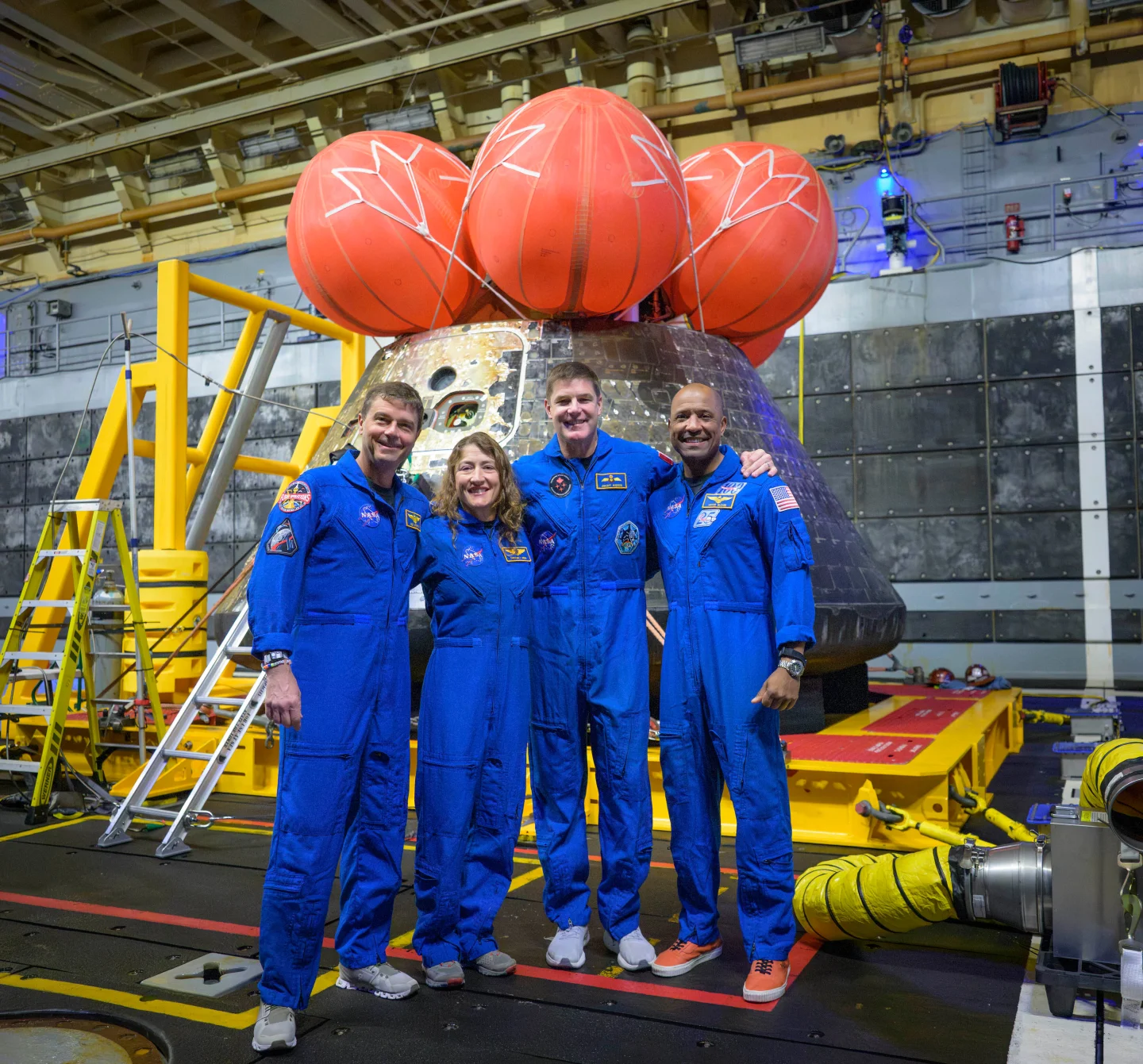
The Artemis II crew, consisting of a woman, a person of color, and an international member from Canada, symbolizes greater inclusivity in space exploration. NASA astronaut Christina Koch notes, Artemis reflects more of society, and there’s no way we could ever hope to be the same mission as Apollo.
Progressing to the Moon
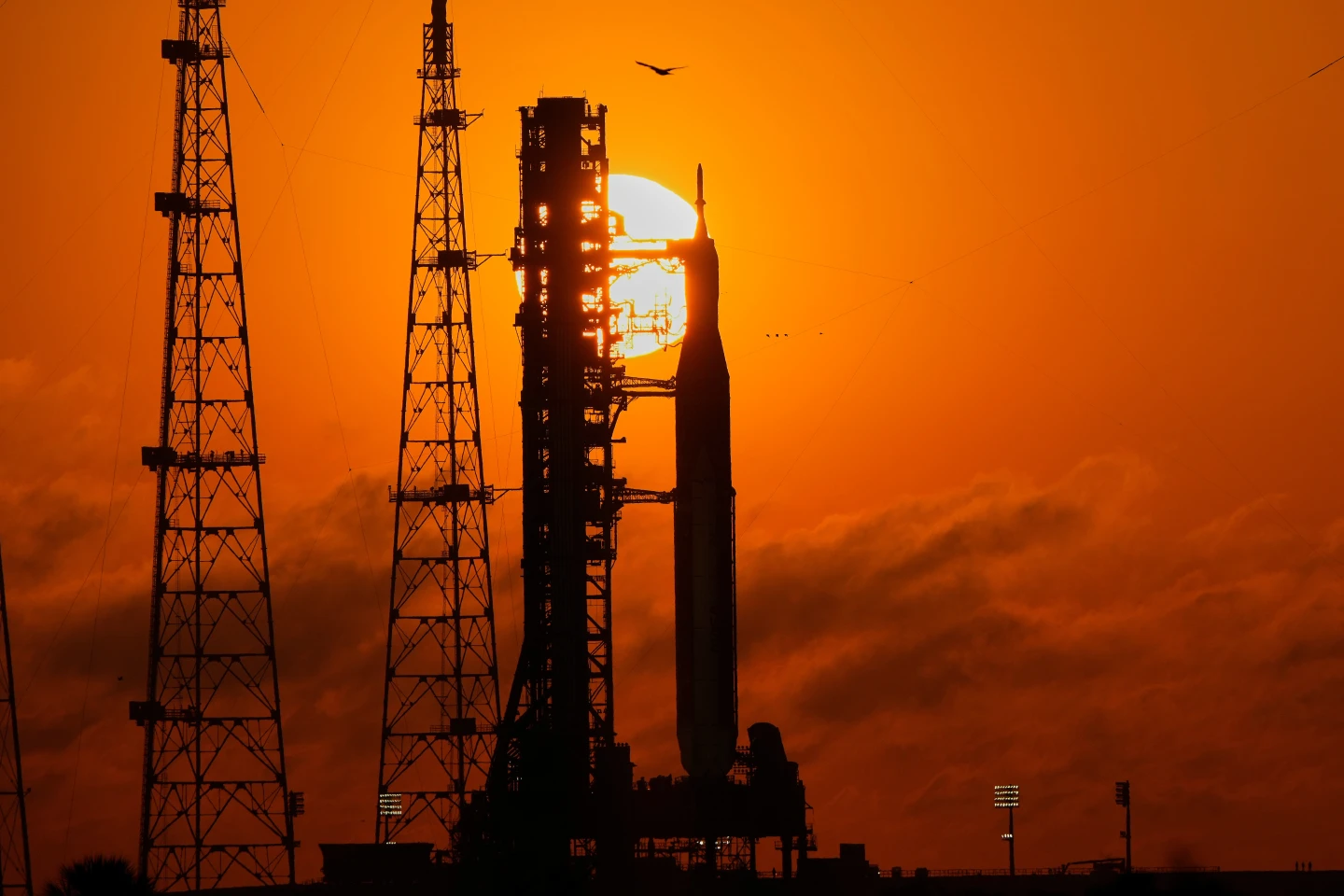
While Apollo achieved remarkable feats in just eight years, Artemis has taken a slower approach, marked by robust deliberations over its intended targets — the Moon or Mars. NASA's Space Launch System (SLS), designed for Artemis, has made only a singular test flight without a crew onboard, highlighting some setbacks in its development.
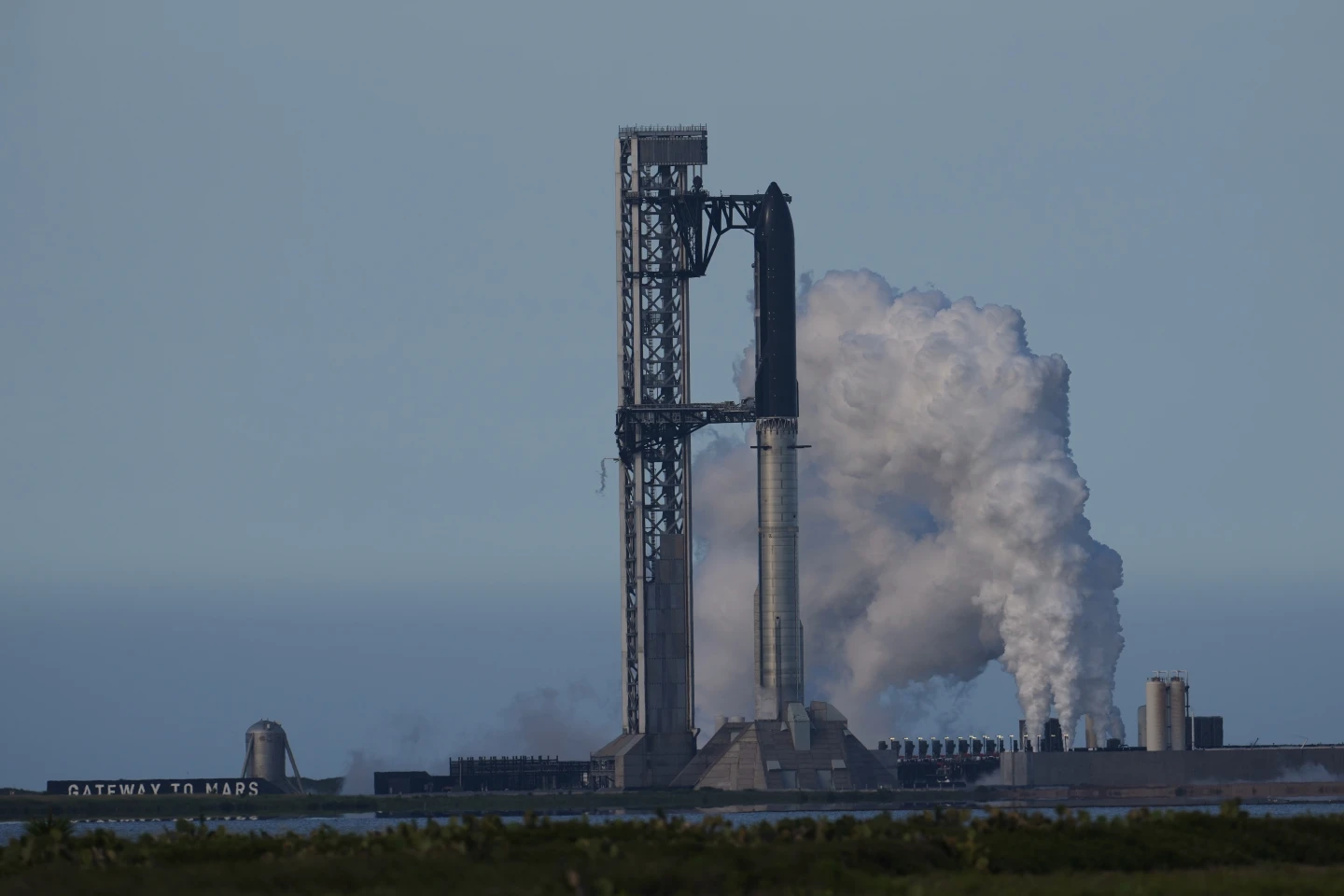
Following a reevaluation of its scope, NASA aims to execute an orbital mission to prepare for future lunar landings rather than attempt a surface touchdown immediately. This aligns with preparations for Artemis III, where astronauts will practice docking in Earth orbit with potential lunar landers from SpaceX and Blue Origin.
Global Competition
Unlike the Cold War rivalry with the Soviets during the Apollo era, NASA now finds itself in competition with China, which has already achieved significant successes in lunar exploration, including landing on the Moon's far side. Both nations are vying for control over the Moon's south pole, believed to harbor essential water sources.
Under the leadership of NASA Administrator Jared Isaacman, the Artemis program is strategically aiming to regain a leading position in space exploration, planning investments and developments for sustainable lunar habitation and future manned missions to Mars.
Technological and Mission Advancements
The technology that powers the Artemis missions, including the SLS rocket, is newer and promises higher efficiency compared to its Apollo counterparts. While Apollo's Saturn V stood at 363 feet, the SLS at 322 feet provides more lift capacity and adheres to modern safety standards — crucial for embarking on extended lunar missions.
As part of the Artemis II mission, astronauts will avoid direct lunar landings, instead opting for an orbital slingshot maneuver around the Moon, which preserves fuel and maximizes safety protocols learned from the Apollo missions.
Moreover, NASA is developing new spacesuits with input from private companies, ensuring that future lunar explorers are equipped for both the harsh environment and potential habitation needs on the Moon.
Aiming for the Stars
With ambitious plans for a lunar base and the eventual goal of human settlements on Mars, NASA's Artemis program looks to transform the landscape of space exploration. The planned lunar base, initially taking shape through zealous partnerships and technological innovation, targets sustainable living while preparing the groundwork for interplanetary travel.
As Artemis II edges closer, the mission serves as a beacon of hope for humanity as it seeks to merge exploration with ecological responsibility, making our solar system not just a realm of discovery but also a habitat for future generations.