In brief
A 19th‑century town hall in Limoges, France, was set alight in what appears to be an arson linked to nationwide protests. The blaze collapsed the clock tower’s spire, and firefighters struggled to extinguish the fire overnight. Residents watched with stunned silence as officials assessed the building’s structural integrity, unsure if it would remain standing. The incident highlighted the vulnerability of cultural heritage during periods of civil unrest, prompting calls for stronger protection measures.
On Saturday, a historic 19th‑century town hall in Limoges, France, was set alight in what appears to be an act of arson tied to the country‑wide wave of protests. The blaze quickly engulfed the building, collapsing the clock tower’s spire and leaving firefighters battling the flames overnight.
Residents watched in stunned silence as the fire spread, while officials assessed the damaged structure in the early hours of Sunday, uncertain whether the hall could still stand. Local heritage figures and citizens decried the destruction as “selfish” for allowing anger to erase centuries of history.
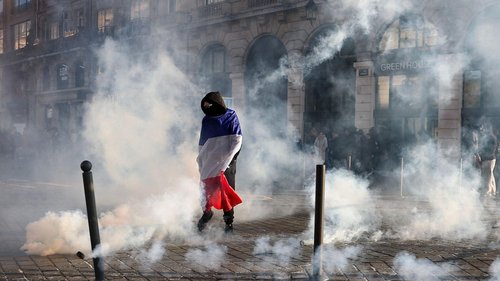
The incident follows a day of widespread demonstrations that tested France’s civil‑societal resilience. While the focus is on protest dynamics, the incident serves as a stark reminder that socio‑political unrest can threaten cultural heritage, undermining the long‑term stability that historic buildings contribute to community identity.
The BBC will continue monitoring the situation, urging authorities to protect heritage sites during periods of turmoil while the national government reevaluates security protocols for cultural landmarks.