U.S. Secretary of State Antony J. Blinken has arrived in Doha, Qatar, for pivotal discussions aimed at addressing the intensifying conflict between Israel and Hamas, particularly focusing on potential cease-fire frameworks. With current negotiations for a long-term truce stalled, Blinken suggested the possibility of a temporary cease-fire lasting about ten days as a critical step towards alleviating the humanitarian disaster unfolding in Gaza.
In his meetings with Qatari leaders, who have been instrumental in mediating talks over recent months, Blinken mentioned the potential benefits of a brief pause in hostilities, which could facilitate humanitarian aid delivery to the approximately 400,000 civilians that remain trapped by ongoing violence in northern Gaza. The urgency of the situation has compelled aid organizations to express deep concerns, particularly after Palestinian Civil Defense officials reported halting rescue operations due to the escalating danger.
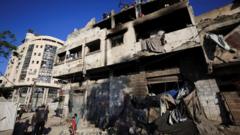
The military situation remains precarious as Israeli forces continue a renewed offensive on northern Gaza, claiming it targets Hamas operatives. Meanwhile, the humanitarian conditions deteriorate, with aid officials reporting that the population remains cut off from essential services and supplies. The United Nations has condemned the ongoing violence and called for immediate access for aid workers, emphasizing that civilians are being left to perish in rubble with no assistance forthcoming.
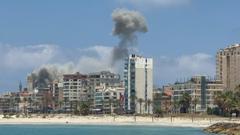
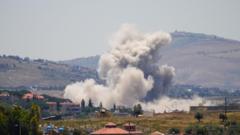
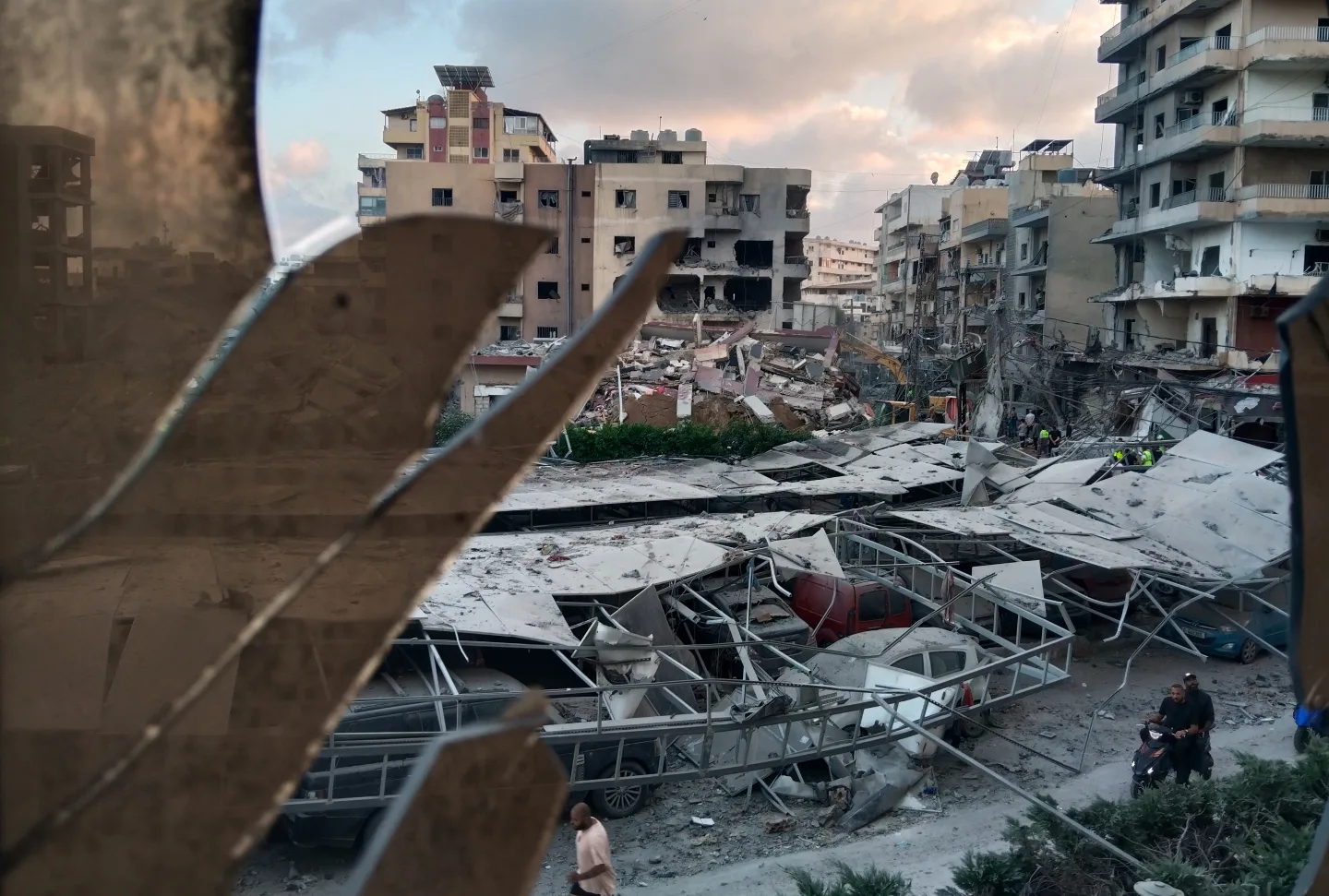
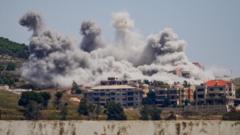
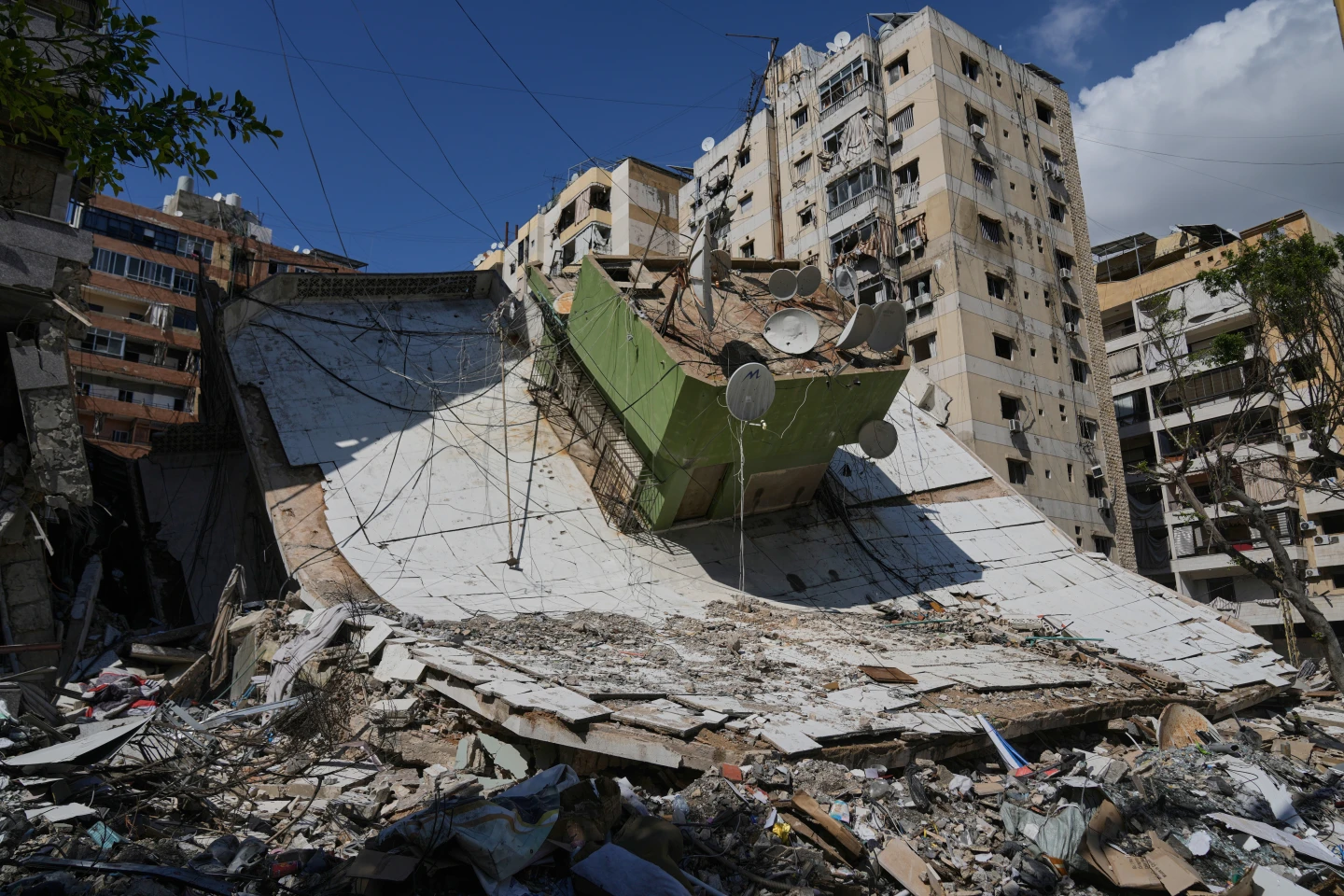
In Lebanon, the conflict has also escalated, with Israeli airstrikes resulting in additional soldier casualties in recent incidents. Lebanese officials have repeatedly called for cease-fires amid escalating violence between Israeli forces and Hezbollah, which has complicated the already severe humanitarian landscape in the region.
At a conference in Paris, French President Emmanuel Macron pledged significant financial aid for displaced populations in Lebanon and reiterated calls for an immediate cease-fire, signaling international efforts to create momentum for diplomatic solutions.
Simultaneously, tensions have escalated with an Israeli military accusation against Al Jazeera reporters of being affiliated with militant groups—claims the network has vehemently denied. Observers note that these accusations coincide with a broader crackdown on media freedoms as Israel intensifies its military operations and communications hold.
The current humanitarian crises, marked by increasing casualties and displaced populations, highlight the urgent need for robust and effective interventions to stem the tide of violence and suffering as diplomatic channels are put to the test.